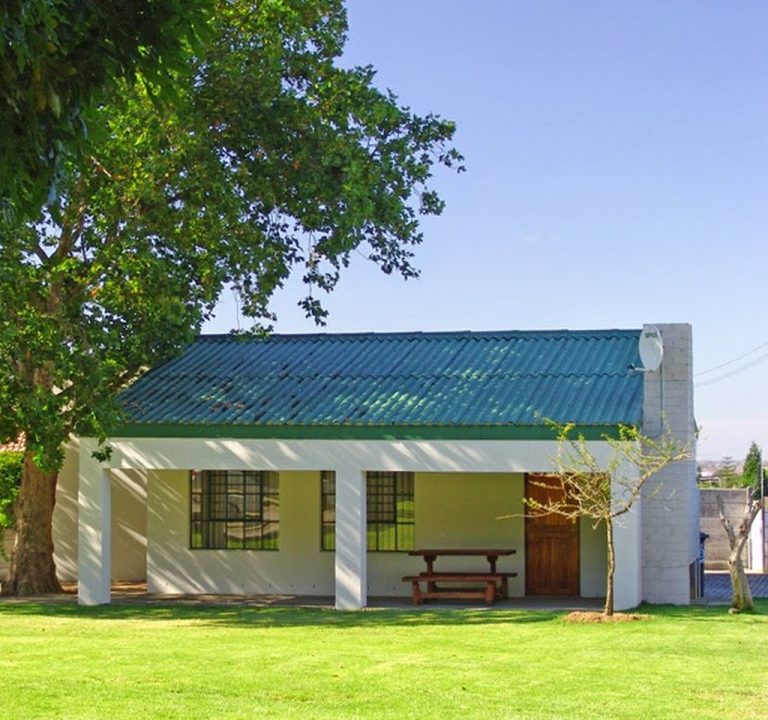
17@PEPPERTREE GUEST ACCOMMODATION is a Self-catering accommodation establishment in Cape Town, Western Cape, South Africa
About 17@PEPPERTREE GUEST ACCOMMODATION, Cape Town
17@Peppertree Guest Accommodation sits within Cape Town, in the Western Cape of South Africa, presenting itself as a traveller-focused option for visitors exploring the region. The available content from its online presence does not enumerate full details about room configurations, on-site facilities, or formal policies. Instead, prospective guests are invited to engage with the property’s social media presence to discover current offerings, availability, and bookings. This approach suggests a modern, responsive approach to guest communication, with information updated through its page and linked platforms.
The overall impression is that of a welcoming base for those seeking convenient access to Cape Town’s diverse experiences. While exact accommodation styles and layouts are not listed in the accessible content, the listing’s emphasis appears to be on providing a practical and approachable home-away-from-home for travellers. In environments where information can evolve quickly, a social media presence often serves as a dynamic hub for showcasing changes, seasonal updates, and guest feedback. That means visitors may find timely details on room types, pricing, and current amenities by checking the latest posts and notes on the page.
From a traveller-friendly standpoint, the property is positioned as a practical option for those looking to establish a comfortable stay in a city known for its iconic scenery, cultures, and outdoor pursuits. The lack of detailed, staggered disclosures about specific amenities or policies at the time of access does not diminish the potential value for guests who prioritise easy access, straightforward communication, and flexible booking through familiar online channels. The page’s structure implies an emphasis on availability and engagement, rather than a static catalogue of features.
For guests who rely on digital and social channels for planning, 17@Peppertree’s approach aligns with contemporary travel habits. The presence on a well-known social platform suggests opportunities to see recent guest experiences, photographs, and updates that reflect the real-time character of the accommodation. This can be particularly appealing for travellers who value recent visual insights and direct interaction with the host or property team before finalising arrangements.
While explicit information about the interior aesthetic, room categories, or bed configurations is not provided here, readers can anticipate a focus on simplicity and practicality in a Cape Town setting. Visitors who prefer a straightforward, no-fruss-out approach to lodging—paired with the convenience of online updates and booking prompts—will likely appreciate the immediacy and accessibility of information available through the property’s social channels.
Nearby highlights and experiences are not itemised in the current content. However, Cape Town is renowned for its mix of natural beauty, culture, and cuisine, offering a wide range of day trips and neighbourhood explorations. Guests typically consider routes and attractions such as the waterfront, iconic viewpoints, vibrant markets, and the surrounding winelands, all of which can be accessed with sensible planning from central accommodation. Given the lack of explicit nearby listings on the page itself, visitors are encouraged to consult current posts or connected booking links for guidance on neighbourhood highlights and suggested day plans.
Booking and travel tips for this property centre on using the available online channels. Since primary contact details such as telephone numbers or email addresses are not displayed in the visible content, prospective guests should rely on the linked Facebook page to initiate contact, request booking information, and obtain the latest updates. Direct messages through the social platform, or any external links shared on the page, are typical avenues for securing availability, clarifying policies, and receiving customised travel tips from hosts or fellow guests. Regularly checking the page can help travellers catch seasonal deals, special offers, or changes in services as they arise.
In sum, 17@Peppertree Guest Accommodation presents itself as a Cape Town-based option that emphasises accessible communication and a modern approach to guest engagement. The exact nature of the accommodation—including room types, bed configurations, on-site facilities, and formal policies—appears to be fluid, contingent on current posts and updates. For travellers seeking a practical, flexible base with a responsive online presence, this property offers a contemporary pathway to stay in one of South Africa’s most dynamic cities. Interested visitors are encouraged to explore the property’s Facebook page for the most up-to-date information, booking availability, and practical travel tips that reflect real-time offerings.
Cape Town
Western Cape
7560
South Africa


Cape Town: where accommodation planning unlocks a world of sights, tastes and experiences
Few places in the world offer such a compact mix of stunning natural scenery, urban culture and culinary innovation as Cape Town. When choosing a place to stay, visitors often weigh location against convenience, space and amenities. Self-catering options, guesthouses, hotels and lodges span a spectrum from hillside retreats with sweeping views to city-centre apartments that place you steps from cafés, markets and museums. In planning a stay, it helps to balance the rhythm of daily exploring with quieter moments of rest and preparation for what each neighbourhood has to offer.
Popular areas to consider include the city’s multi-faceted City Bowl, which provides easy access to galleries, restaurants and the historic Bo-Kaap; the Atlantic Seaboard, where cliffs meet white-sand beaches and sunlit promenades; and Constantia Valley, famed for its vineyards and green hills. Camps Bay and Clifton offer dramatic coastal scenery and chic dining, while the Southern Suburbs provide stylish family-friendly options and leafy privacy. If a work trip or long weekend is on the cards, many visitors favour a central pad for mornings of breakfasts at local cafés and afternoons roaming historic streets, followed by evenings at markets or laid-back eateries with mountain views in the distance.
When booking, look for clarity around what the space includes. Self-catering apartments should outline kitchen facilities, seating areas and any laundry availability. Guesthouses and B&Bs often emphasise communal spaces, breakfast options and staff on hand for local tips. Hotels are typically strong on security, housekeeping, Wi‑Fi reliability and on-site facilities like a pool or gym. A practical tip is to confirm whether parking is included, especially if you’re driving the scenic coastal route or venturing to beaches outside the city centre.
Typical amenities that make a stay comfortable include reliable Wi‑Fi, adequate heating or air conditioning, kitchen basics, and clear descriptions of bed configuration. In Cape Town’s climate, a good mattress, blackout curtains and a well-equipped kitchen can transform a busy sightseeing schedule into a restful base. If you’re planning longer stays, look for washer-dryer facilities, a private outdoor space or a balcony, and storage for outdoor gear such as hiking shoes or surfboards. Accessibility features and lift access matter for some guests, so it’s worth asking if stairs are involved and whether there are steps between rooms or entrances.
Transport is a common planning thread. Cape Town is served by a network of roads and a growing public transport system, but many visitors find a central location with walkable access to attractions and a short ride to hillside views and beaches most convenient. If you intend to venture to Cape Point, the Cape Winelands or Robben Island, check whether your accommodation offers information or partnerships with tours, or whether affordable transfers can be arranged locally. A well-planned stay may include a few days in a single area for a relaxed schedule and a couple of day trips to broaden the experience.
The best time to visit Cape Town spans spring to autumn (roughly September to April), when the weather is most conducive to outdoor activities. Dry, mild springs and warm summers make hiking along Table Mountain or exploring Kirstenbosch Botanical Garden particularly pleasant. Winter visits, while cooler and sometimes windy, can still be rewarding with fewer crowds and access to cultural venues, markets and cafés that are cozier indoors. Shoulder seasons often provide a balance between pleasant climates and lower accommodation rates.
Practical planning tips help ensure a smooth stay. Book with flexibility where possible, especially for peak seasons around holidays or major events. Read guest reviews to gauge consistency in cleaning, responsiveness and what the space is really like in person. Check cancellation policies and any fees for late check-in or early arrival. If you’re reliant on public transport, map out a travel plan that uses a combination of MyCiTi buses or rail services with short walks to reach key sights. For road trips, note that driving in busy city streets can be tricky at peak times, and parking in central areas may be limited or metered.
Attractions and experiences in Cape Town are varied and accessible in broad terms. Natural highlights include iconic viewpoints, coastal walks and nature reserves, while cultural experiences span museums, markets and neighbourhood food scenes. In terms of dining, Cape Town’s restaurant landscape tends to favour seasonal ingredients, coastal flavours and innovative approaches to traditional favourites, with many venues offering a view from which to enjoy the cityscape or an ocean horizon.
If you’re considering a base that offers easy access to both indoor comforts and outdoor adventures, consider a self-catering option or a guesthouse in a well-connected area. A nearby café culture, local markets and scenic trails can be as important as the accommodation itself for a fulfilling stay. For a practical example of a self‑catering option with a social media presence and amenity focus, you can explore pages such as 17 Pepper Tree, which provides a sample sense of the type of space that can suit short breaks or longer getaways: https://www.facebook.com/17Peppertree/
In planning your itinerary, you might also incorporate varied dining experiences, from bustling neighbourhood eateries to more relaxed bakeshops and modern bistros, followed by sunset-watching from a vantage point that frames the city with the Atlantic and the Twelve Apostles in the distance. Cape Town rewards travellers who mix a balanced pace with thoughtful choices about where to stay, how to get around and which experiences to prioritise. With thoughtful preparation, a Cape Town visit can blend memorable scenery, delicious food and welcoming stays into a cohesive, enriching travel experience.
- Choose a base aligned with your planned activities (city sights, beaches, or wine estates)
- Check for essential amenities (kitchen basics, reliable Wi‑Fi, parking, laundry)
- Plan for flexible cancellation and clear access details
- Research transport options and proximity to MyCiTi routes or major roads
Sorry, no records were found. Please adjust your search criteria and try again.
Sorry, unable to load the Maps API.
Why Claim Your Listing?
Claiming your listing on the B&B Finder directory website is a valuable opportunity for business owners. Here are five reasons why you should consider claiming your listings:
Control Over Business Information: By claiming their listing, business owners can ensure that all the information presented is accurate and up-to-date. This includes details such as contact information, address, pricing, and available services or amenities. Accurate information helps prevent customer confusion and improves overall satisfaction.
Enhance the Listing: Once a listing is claimed, owners can enhance it by adding more comprehensive information and rich media, like high-quality photos and videos. These additions can make the listing more attractive and engaging to potential customers, thereby increasing the likelihood of bookings.
Marketing Opportunities: Claiming a listing can also open up additional marketing opportunities. Owners may be able to participate in promotional campaigns, special offers, and other marketing activities organized by the directory. This can increase visibility and attract more customers to the business.