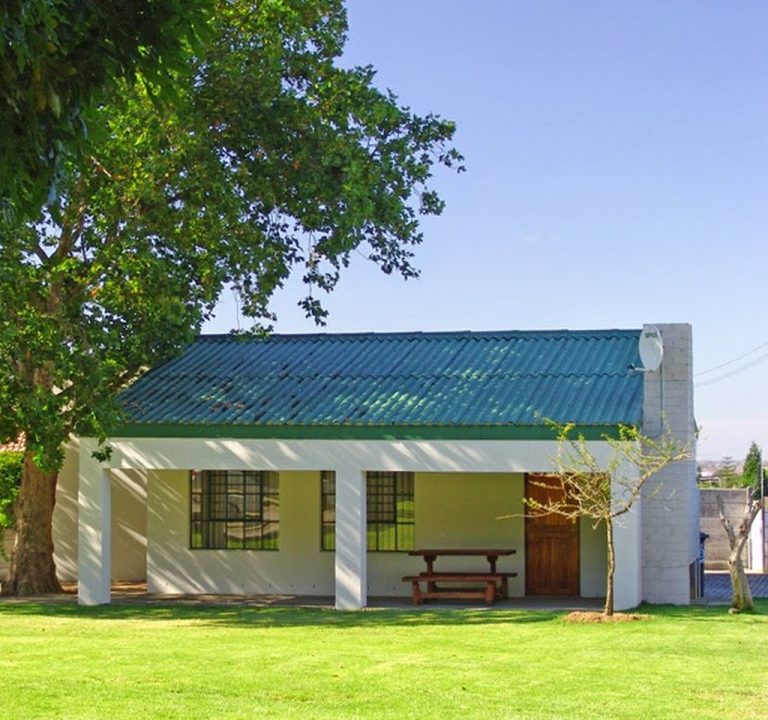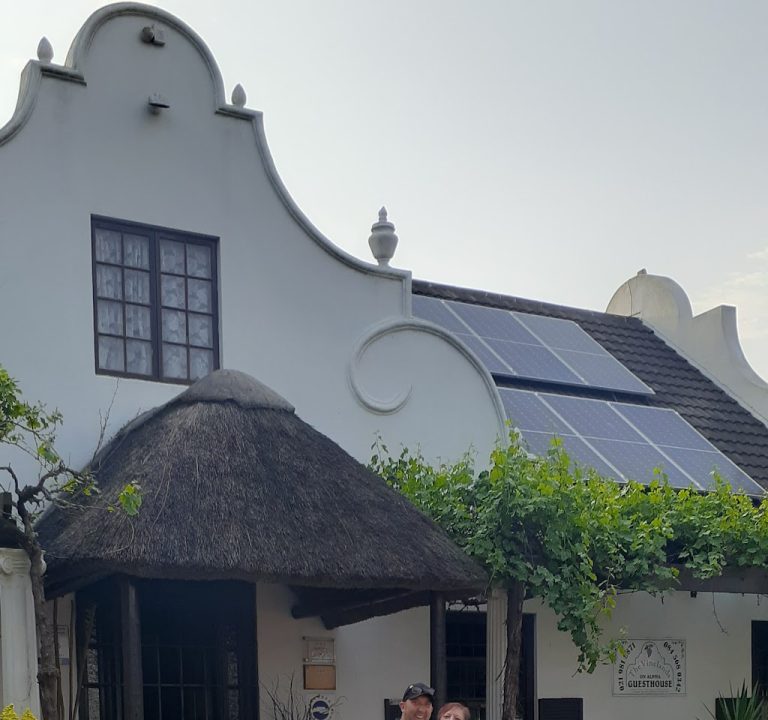
De Vrede Guest House and Conferences is a Guest house establishment in Cape Town, Western Cape, South Africa
About De Vrede Guest House and Conferences, Cape Town
De Vrede Guest House and Conferences operates as a guest house and conference venue in Cape Town, Western Cape. The site originally presented the property as a place for travellers and groups seeking a comfortable stay with the potential for events, all set within the vibrant cityscape of Cape Town.
At present, the website notes that it is under construction. As such, detailed information about room types, on-site facilities, and specific amenities is not clearly stated on the site itself. Prospective guests and organisers are encouraged to consult the official site for updates and to reach out through official channels for the latest details.
Given the nature of a guest house and conference setting, De Vrede is positioned to appeal to both leisure travellers and business groups seeking a restful base with space for meetings or events. The character of the property and its location in Cape Town suggest a focus on hospitality, convenience, and a gateway to the city’s diverse experiences.
Visitors planning a stay or event should consider practical travel factors when evaluating accommodation. While exact features are not listed on the current site, potential guests may wish to verify the availability of essential necessities such as comfortable sleeping arrangements, private or shared facilities, and on-site or nearby spaces suitable for gatherings. The site’s current status means that concrete details will likely be disclosed as content is updated.
For those exploring options in the Western Cape’s capital, De Vrede offers a reference point within Cape Town’s broad supply of guest houses and venues. As information evolves, guests can expect to discover more about the property’s layout, access, and services through the official website and any forthcoming communications from the management team.
- Check the official website for the most recent updates on accommodation options and event spaces.
- Prepare to verify practical details such as room configurations, breakfast provisions, and conference facilities once they are listed.
- Consult local maps and travel resources to identify nearby neighbourhoods, dining options, and cultural highlights once information is available.
Website: http://www.devrede.co.za/
Cape Town
Western Cape
7560
South Africa


Exploring Cape Town: where to stay, what to book, and how to plan your visit
Cape Town blends natural beauty with cosmopolitan charm, making it a destination where the right base can transform your stay. When choosing accommodation in the Western Cape’s most iconic city, think about what you want to experience most—beaches, mountain scenery, wine routes, or a lively urban scene—and pick a neighbourhood that aligns with those interests. From intimate guest houses to characterful lodges and boutique hotels, there are options to suit a range of budgets and travel styles.
For first-time visitors, central areas such as the City Bowl offer easy access to museums, markets, and historic streets. The Atlantic Seaboard’s coastal pockets—think near the rolling Atlantic beaches and scenic viewpoints—provide a breezier, seafront atmosphere with stylish apartments and guest houses. If you’re chasing scenery and tranquillity, Constantia Valley delivers leafy villa-style stays close to world-class wine estates, while Kalk Bay and Simon’s Town bring harbour views and seafood dining within reach of rural tranquillity and wildlife experiences. Families and groups may prefer self-contained units with parking in secure complexes, whereas couples often look for small guest houses with a personal touch and breakfast included.
One practical option is to consider a guest house or small boutique hotel that offers a personalised welcome and a home-from-home feel. In South Africa, guest houses can range from historic Victorian homes to contemporary, renovated properties with garden nooks and pool areas. For example, De Vrede Guest House and Conferences is a known option in the Constantia area, offering accommodation alongside meeting facilities. It can be a convenient base for exploring the southern suburbs, with easy access to wine routes and scenic drives. Visit the property’s official site to review current offerings and amenities.
Booking considerations go beyond just the rate. Look for a few essential amenities that can streamline your stay and help you plan day trips with ease:
- Location relative to your planned activities (city sights, beaches, wine routes, or nature reserves).
- Breakfast options and dining arrangements (self-catering, or a full cooked breakfast served on-site).
- Parking availability or proximity to convenient transport links.
- Room features such as en-suite bathrooms, air conditioning, secure access, and quiet rooms for rest after long days.
- Guest access to common areas, such as lounges, gardens, or terraces, for a relaxed stay.
- Cancellation policies and flexibility—especially important during peak travel periods.
Typical amenities across Cape Town’s accommodation spectrum include reliable wifi, laundry services, and, in many cases, outdoor spaces for sunbathing or braais (barbecues). You’ll often find a mix of self-catering units, from compact studio flats to larger suites with kitchenettes. Some properties offer shuttle arrangements or guidance on day trips to the Cape Winelands, Table Mountain, the Cape Peninsula, and penguin colonies along the coast. When you’re selecting a place to stay, weigh how important daily housekeeping, a pool, or a garden setting are to your plans, and verify what is included in the price at the time of booking.
Getting around Cape Town is straightforward, but planning transport ahead saves time. The city has a robust MyCiTi bus network, which connects major hubs with studios, guest houses, and hotels. Taxis and ride-hailing services are widely available, and many visitors choose to hire a car for greater flexibility, especially when touring the Winelands or Cape Point day trips. If you prefer to walk, stay in inner-city or coastal pockets where amenities, eateries, and viewpoints are within comfortable reach, then use taxis or rideshares for longer hops.
The best time to visit Cape Town depends on what you want to do. Spring (September to November) and autumn (March to May) offer milder weather, manageable crowds, and excellent coastal and mountain access. Summer (December to February) is vibrant and busy, with long days ideal for beach-going and outdoor markets, while winter (June to August) brings cooler conditions with dramatic skies and fewer crowds—great for city culture and indoor attractions.
When planning a stay, balance your must-see experiences with downtime to enjoy your surroundings. Cape Town’s culinary scene is diverse, ranging from informal eateries and vibrant markets to refined restaurants that showcase South Africa’s produce and wine heritage. Rather than chasing specific names, look for places that offer seasonal menus, fresh ingredients, and a friendly, relaxed atmosphere. A good approach is to pick a couple of neighbourhoods as anchors for your trip, then branch out to nearby coastal towns or winelands for day trips.
To make the most of your visit, allow time for iconic outdoor viewpoints—whether that means a sunrise from a scenic hill, a coastal drive along a rugged shore, or a gentle walk through historic streets. Take note of practical tips: bring layers for changing mountain and coastal weather, secure your belongings in busy areas, and confirm arrival times with your host if you’re staying in a guest house or smaller property.
Ultimately, Cape Town rewards travellers who blend comfortable accommodation with thoughtful planning. By choosing a neighbourhood that suits your plans, selecting well-equipped lodgings such as guest houses with attentive service, and organising transport ahead of your arrival, you’ll be well placed to experience the city’s extraordinary coastline, mountains, and cultural richness. For more information on specific properties and current offerings, visit the official sites of accommodation providers and local tourism pages.
Sorry, no records were found. Please adjust your search criteria and try again.
Sorry, unable to load the Maps API.
Why Claim Your Listing?
Claiming your listing on the B&B Finder directory website is a valuable opportunity for business owners. Here are five reasons why you should consider claiming your listings:
Control Over Business Information: By claiming their listing, business owners can ensure that all the information presented is accurate and up-to-date. This includes details such as contact information, address, pricing, and available services or amenities. Accurate information helps prevent customer confusion and improves overall satisfaction.
Enhance the Listing: Once a listing is claimed, owners can enhance it by adding more comprehensive information and rich media, like high-quality photos and videos. These additions can make the listing more attractive and engaging to potential customers, thereby increasing the likelihood of bookings.
Marketing Opportunities: Claiming a listing can also open up additional marketing opportunities. Owners may be able to participate in promotional campaigns, special offers, and other marketing activities organized by the directory. This can increase visibility and attract more customers to the business.