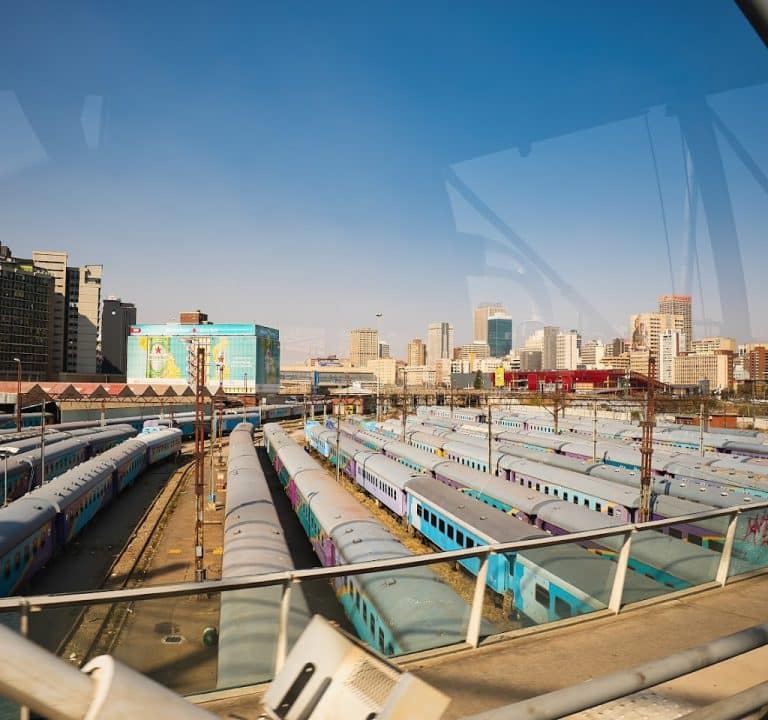
Johannesburg: Accommodation, neighbourhoods and planning a memorable stay in Gauteng
Johannesburg offers a diverse mix of accommodation, from characterful guesthouses and boutique hotels to modern apartments and lodge-style stays. When planning a visit, think about what you want from your trip: a fast-paced urban experience with easy access to museums and markets, or a more relaxed stay in leafy neighbourhoods with cafés and restaurants on your doorstep. The city’s vibrancy is best experienced by picking a base that suits your pace and interests, then exploring surrounding areas during day trips or in the evenings.
Neighbourhood choice can shape your experience as much as the room you book. The northern suburbs and central hubs tend to offer higher concentrations of business hotels and serviced apartments, convenient for longer stays or work trips. The inner city districts are known for creative spaces, street art, live music venues and a growing selection of eateries. To balance convenience with a sense of place, many travellers opt for boutique guesthouses or smaller lodges in designated neighbourhoods that are walkable, well connected by public transport or short taxi rides from major sights.
When comparing options, consider typical amenities that matter most to you. Look for reliable Wi‑Fi, adequate secure parking if you’re renting a car, on-site dining or easy access to popular restaurants, and comfortable common areas for downtime after sightseeing. Many guesthouses and boutique hotels offer breakfast included, which can simplify mornings, while apartment-style stays may provide kitchen facilities for more flexibility. If you’re visiting with family or a group, a serviced apartment or group-friendly lodge with multiple bedrooms or living spaces can be the most practical choice.
Transport in Johannesburg is practical but can require planning, especially if you are exploring beyond your base. The city has a network of primary roads and several reputable car rental operators, but much of the appeal is reached via ride‑hailing, local taxis, or organised tours. Proximity to a rail link or a main bus route is a helpful factor when choosing accommodation, particularly for visitors who prefer not to drive in busy hours. Many mid-range and higher-end properties offer shuttle services or can arrange transfers, which can simplify evenings out after a busy day of sightseeing.
Best time to visit Johannesburg is influenced by climate and events rather than price alone. The city experiences warm summers with occasional heavy showers and mild winters. Spring and autumn generally offer pleasant conditions for outdoor exploring, while early mornings and late afternoons are ideal for city walks, markets and viewpoints. If you’re hoping to catch markets, street food scenes or outdoor concerts, timing your trip around weekends or public holidays can maximise your chances of a lively atmosphere.
Practical planning tips for your stay:
- Check security and safety features at the property, including well-lit entrances and 24-hour front desk or reception support.
- Ask about local guidance for safe neighbourhood exploration, especially after dark, and whether staff can recommend trustworthy transport options or guided tours.
- Consider a base near a walkway, park, or cultural hub to minimise transit time between interests.
- Read recent guest reviews for updates on cleanliness, service levels and any changes to facilities.
- Establish a flexible plan for day trips to nearby attractions such as museums, markets, or nature reserves, allowing for delays or weather considerations.
Attractions and activities in and around Johannesburg are varied and accessible from most well-located stays. You can expect to find a rich storytelling heritage in museums and cultural centres, galleries showcasing contemporary African art, and markets where local crafts and street foods feature prominently. Nature lovers may enjoy nearby nature reserves and wildlife experiences within easy reach of the city, while city viewpoints and observation decks provide panoramic perspectives of the urban landscape. For a flavour of daily life, neighbourhood walking routes and guided tours focusing on architecture, street food, or historic districts can be particularly rewarding.
Dining out is a highlight of a Johannesburg stay. The city has a thriving restaurant scene ranging from casual eateries to refined dining spaces. In most areas, you’ll find options with regional influences and contemporary twists, plus cafés and bakery stops that are popular with locals. If a fully planned itinerary feels restrictive, look for properties that offer a curated list of recommended spots or arrange experiences like a guided food walk or a craft-market visit.
Finally, consider your plan for staying connected. A reliable Wi‑Fi connection is essential for planning day trips, streaming after hours, or coordinating with travel companions. If you’re visiting during a busy period, booking in advance is wise, especially for group stays or properties with limited rooms. Your choice of accommodation should balance comfort, safety, and convenience with access to the city’s energy and its quieter corners alike. For those seeking a collective stay or group accommodation, check whether the property can offer shared spaces, kitchen facilities, and flexible room configurations to suit your group’s needs.
More information and links to accommodation options and visitor resources can be found on the property’s own website or trusted travel guides. Whether you’re chasing the pulse of the city or a more relaxed, family-friendly break, Johannesburg provides a dynamic stage for an unforgettable Gauteng stay.