Johannesburg: where to stay and what to see in Gauteng
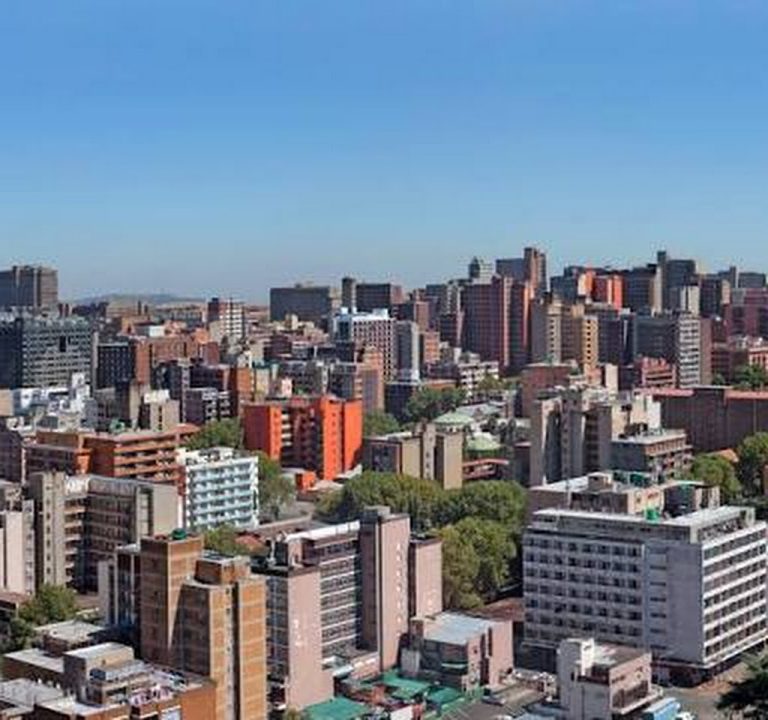
Johannesburg, commonly known as Jo’burg or Joburg, is a dynamic city full of contrasts, culture and fine hospitality. When planning a stay, travellers often start with the neighbourhoods that suit their style and budget, and then layer in the must-see sights, dining, and neighbourhood experiences that give a real sense of the city. Whether you favour luxury hotels near the airports and business districts, boutique stays in bustling inner-city zones, or family-friendly guesthouses in leafy suburbs, Johannesburg offers a wide range of options with convenient access to transport links and attractions.
Accommodation options span stylish five-star hotels, secure apartment-style suites, guesthouses with personalised service, and mid-range hotels that prioritise comfort and convenience. A well-connected base is often around Sandton, Rosebank and the northern suburbs, where modern shopping centres, business hubs and easy Gautrain access sit alongside leafy streets. For culture and urban exploration, central districts such as Braamfontein and Maboneng offer vibrant boutique hotels and contemporary lodges that place guests in walking distance of cafes, galleries and street food stalls, while the southern and eastern edges of the city lead to expansive greenspaces, more relaxed guesthouse environments and family-friendly attractions.
When evaluating a property, consider the following: proximity to the sights you want to visit and to transport hubs, the availability of secure parking if you’re driving, and the flexibility of check-in and check-out times. Look for clear written policies on breakfast options, housekeeping, wi‑fi reliability, and how the property handles safety and security. If you’re travelling with children or a group, check for family-friendly room layouts, quiet rooms, and accessible facilities. For travellers who prioritise sustainability, enquire about energy use, recycling practices and water conservation.
Typical amenities to expect include on-site dining or easy access to nearby restaurants, 24-hour reception or around-the-clock security, reliable wi‑fi, air conditioning or heating, and well-equipped bathrooms. Some properties offer extras such as swimming pools, fitness centres, business lounges, and shuttle services to the airport or major transport hubs. If you plan to park a rental car, confirm whether there is secure on-site parking or street parking with safe access. For longer stays, consider residences that provide self-catering facilities or apartment-style layouts with a kitchenette or full kitchen, which can be particularly convenient for families or travellers on an extended itinerary.
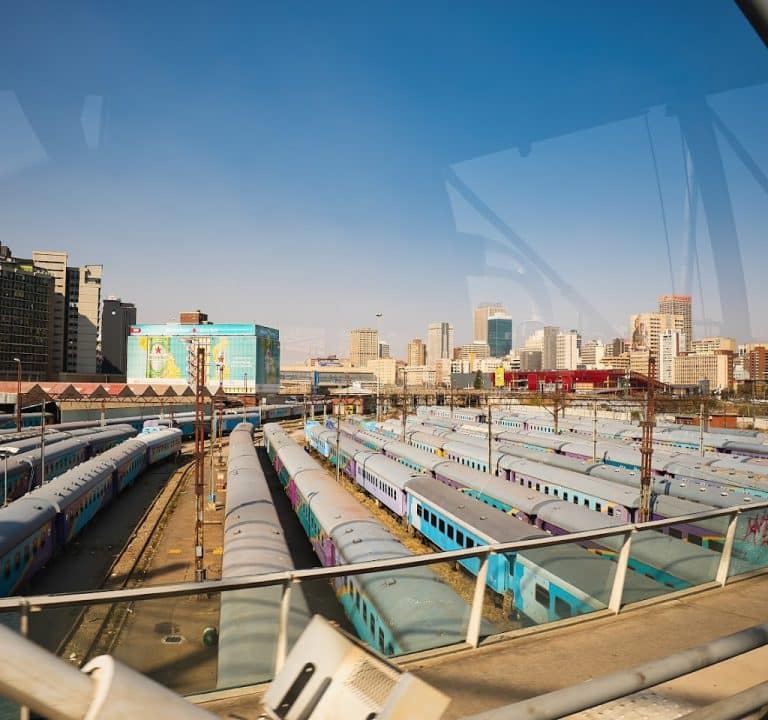
Getting around Johannesburg is straightforward with several travel options. The Gautrain is a fast, efficient choice for travel between the city centre, Sandton, and the airport corridor, while Uber and other ride-hailing services are widely used across the city. If you’re staying in or near the city bowl, local taxi services or short rides can be a practical complement to walking and occasional shopping trips. For those who enjoy exploring at their own pace, renting a car offers flexibility to visit both urban attractions and the wider Gauteng region at leisure. When planning day trips, think about traffic patterns which can vary, particularly during peak hours.
Best time to visit Johannesburg straddles the city’s dry winter and warm, wetter summer. Winter (May to August) is typically cool and pleasant, ideal for city sightseeing with shorter lines at major sites. Summer (September to April) brings afternoon thunderstorms and lush greenery, which can be perfect for outdoor markets and urban parks, but plan for possible showers. Spring and autumn are comfortable shoulder seasons with milder temperatures and lower crowds. For travellers seeking events, Gauteng hosts a calendar of cultural festivals, culinary happenings and exhibitions that add local flavour to any stay.
Roughly within easy reach of most central stays are a mix of attractions suitable for history buffs, families and culture enthusiasts. Museums and faith-institutions offer context about South Africa’s past and present, while modern art districts and public piazzas showcase Johannesburg’s creative energy. Parks and green spaces provide places to stroll and people-watch, late‑afternoon sundowners, and easy access to cafés and street food stalls. In addition to the core museum and cultural sites, many visitors enjoy a stroll through a mix of markets, craft quarters and contemporary dining precincts that reflect the city’s diverse communities.
- Areas to consider: Sandton for polished stays and easy transport links; Rosebank for a balance of shopping and culture; Braamfontein and Maboneng for urban buzz and boutique stays; and Newtown or Melville for neighbourhood character with a live music or dining scene.
- What to look for when booking: location relative to planned activities, transport access, security features, room configuration, and guest reviews focusing on service and consistency.
- Practical tips: confirm breakfast arrangements, check parking options, and verify wi‑fi reliability. If you’re visiting during the wet season, pack a light rainproof layer and an adaptable itinerary for indoor activities.
One illustrative option in the broader area offers a classic room with contemporary comforts, situated near the Emperor’s Palace precinct. It combines convenient access to transport routes with a base from which visitors can explore Johannesburg’s commercial heart and its cultural offerings. For planning ahead, consult official tourism sites and the accommodation’s own pages for up-to-date details, itineraries and dining options. A well-planned stay in Johannesburg can blend elegant stays with dynamic city experiences, crafting a memorable mix of comfort, culture and convenience. For further inspiration and practical planning, explore reputable travel resources and local guides, and book through established platforms that provide clear terms and guest reviews.