Johannesburg: Accommodation, Attractions and Planning Your Stay
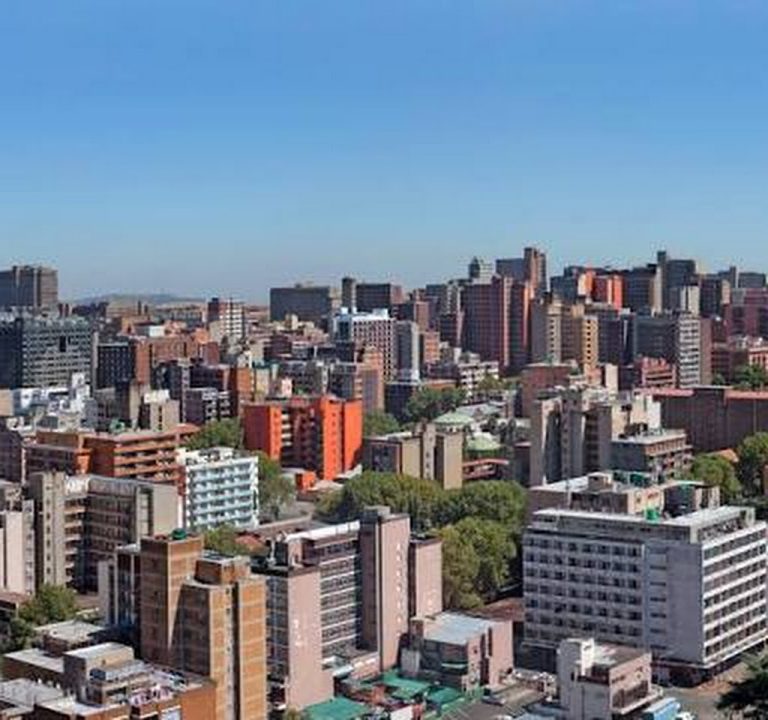
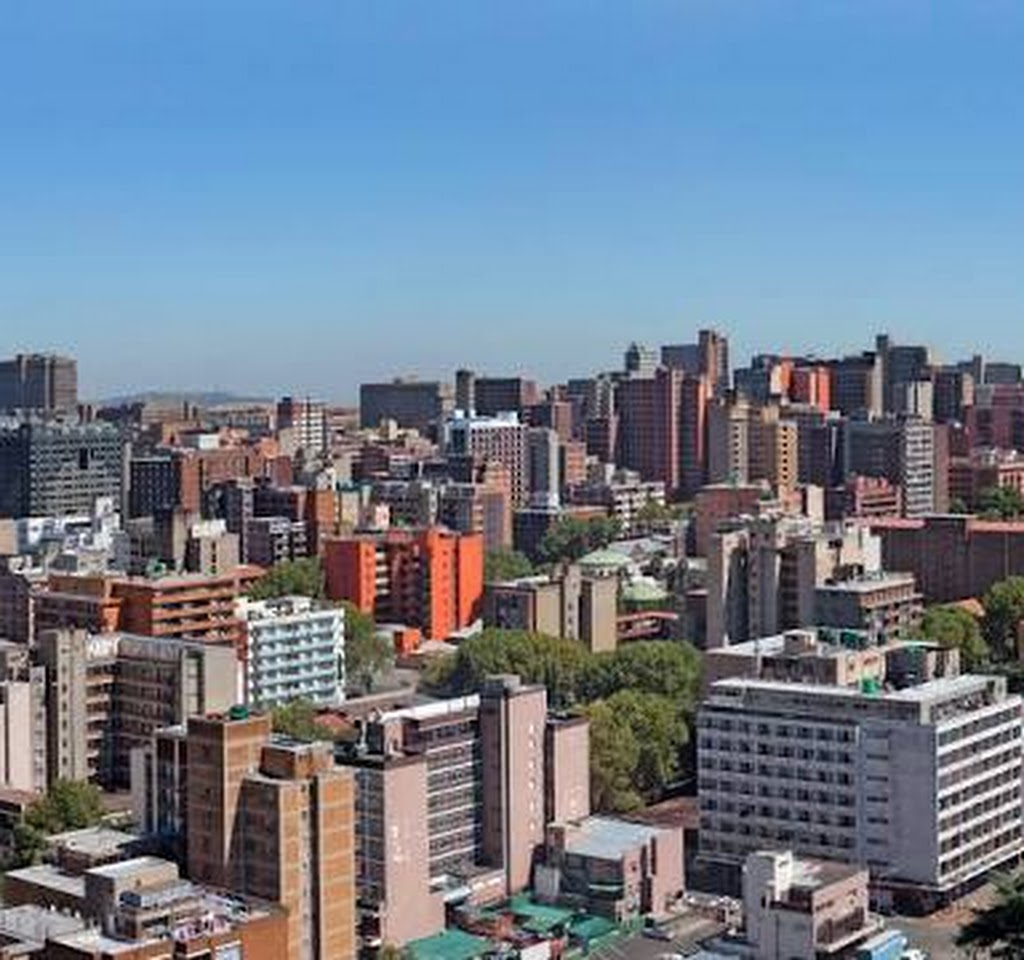
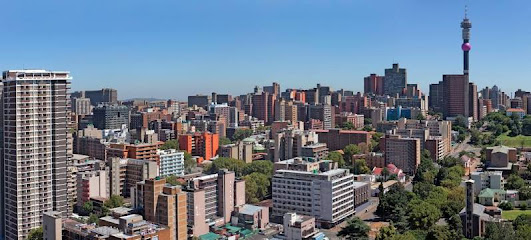
Johannesburg, or Jo’burg to many locals, is a dynamic gateway to Gauteng’s culture, cuisine and history. When planning a stay, consider both central districts and the surrounding neighbourhoods that offer different atmospheres, budgets and access to transport. The city’s array of BnBs, guesthouses, hotels and lodges provide options from boutique stays in leafy suburbs to modern city-centre properties with easy access to the Gautrain and major arterials.
Choosing where to stay
- Central hubs: Braamfontein, Maboneng, and the central business district offer an energetic mix of trendy eateries, galleries and nightlife. These areas are convenient for exploring museums, markets and urban art, but can be busier and more suited to those who enjoy being in the heart of the city.
- Suburban calm: Areas like Rosebank, Sandton, and Parktown offer well-appointed hotels and guesthouses with quiet streets, shopping centres and reliable daytime transport links. They are ideal for travellers seeking ease of access to business districts, malls and quieter evenings.
- Family-friendly pockets: The northern suburbs often feature spacious rooms, garden spaces and accessible parking, which can be convenient for families or travellers planning longer stays.
What to look for when booking
- Location and access: Proximity to major transport hubs such as the Gautrain station or main roads can save time during day trips and airport transfers.
- Security and privacy: Look for properties with secure access, well-lit surroundings and clear safety policies. A quiet interior and private entrances can make a big difference to comfort.
- Amenities that suit your plans: On-site parking, reliable Wi‑Fi, breakfast options, a kitchen or self-catering facilities, and flexible check-in arrangements are often decisive for a smooth stay.
- Room configuration and future needs: Check whether rooms suit couples, solo travellers or families, including en-suite facilities, workspaces, and storage.
- Reviews and recent upgrades: Recent guest feedback about cleanliness, service and upkeep can be a helpful guide when choosing between options.
Typical amenities you may encounter
- Breakfast service, either continental or full, with cafe‑style options nearby.
- Secure access, daily housekeeping, and flexible check-in arrangements.
- In-room or on-site amenities such as coffee/tea facilities, a minibar, air conditioning and heating, and hairdryers.
- Shared lounge spaces, small courtyards or gardens, and sometimes a swimming pool or rooftop area.
- Practical extras like laundry facilities, luggage storage, and tips for using public transport.
Transport and getting around
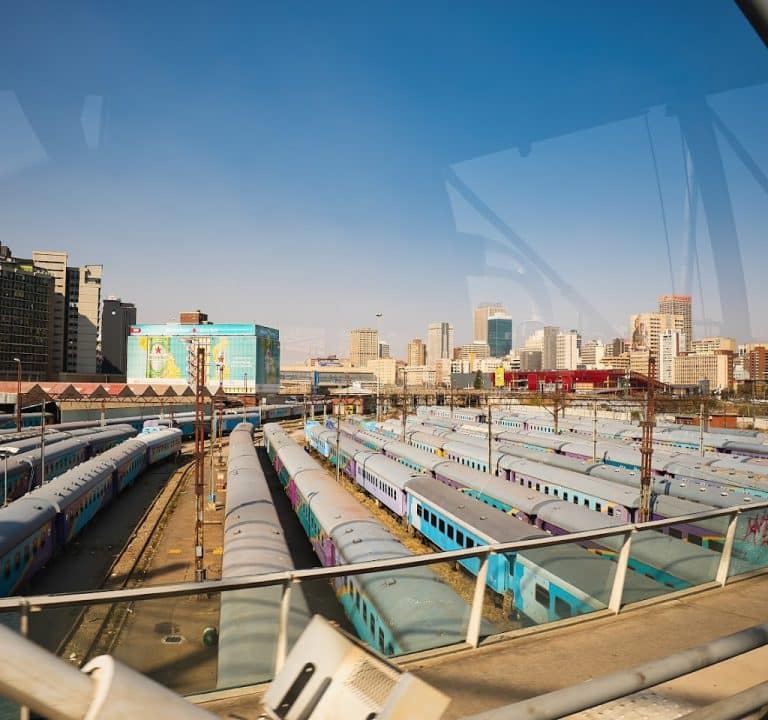
- Public transport: The Gautrain is a reliable option for quick links to the airport and other parts of Gauteng; many hotels and guesthouses offer easy access to station stops and bus routes.
- Taxis and rideshare: Safe, widely available in central areas and near major hotels; check if the property can arrange trusted services.
- Car hire and parking: If you plan day trips to nearby attractions or the Witwatersrand hills, private parking or secure garages can be a convenient choice.
- Walking and cycling: Some districts walk well and have local eateries and markets within a short stroll, particularly in urban precincts that blend living and leisure.
Best time to visit
- The climate is generally warm in the summer months (November to March) with afternoon thunderstorms; spring and autumn offer milder temperatures and lighter rainfall, making city exploration pleasant.
- If your trip includes outdoorsy experiences or markets, consider mid-week stays to avoid peak crowds at popular venues.
- Events and culture: Johannesburg hosts markets, live music, and cultural festivals throughout the year. Planning ahead can help you align your stay with openings, performances and special exhibitions.
What to do: attractions and experiences (in general terms)
- History and culture: You’ll find compelling museums, galleries and heritage sites that tell the city’s story, from the early trade routes to the modern urban landscape.
- Markets and street life: Local markets and neighbourhood hubs offer crafts, foodie bites and live performances that showcase Johannesburg’s creative energy.
- Nature and viewpoints: Nearby hills, parks and urban viewpoints provide scenic spots for walks and photo opportunities.
- Dining and nightlife: The city’s diverse dining scene ranges from casual eateries to stylish restaurants, with many places offering modern takes on South African flavours.
Practical tips for a smooth stay
- Plan sensible morning and evening routes, accounting for traffic patterns and security while returning to your accommodation after dusk.
- Budget and currency: Carry a small amount of local currency for markets and casual purchases; many venues accept card payments, but cash can be handy in markets and smaller eateries.
- Booking flexibility: When possible, choose properties with flexible cancellation policies and clear check-in procedures to adapt to changing travel plans.
- Safety awareness: Stay aware of your surroundings, especially in busy city areas after dark. Short trips to familiar, well-reviewed neighbourhoods often provide the best balance of safety and atmosphere.
- Local guidance: Don’t hesitate to ask hosts or hotel staff for recommendations on safe transit routes, current exhibitions and dining must-sees; these insiders’ tips can enhance your stay.
Sample neighbourhoods and a practical plan
- Weekend city centre stay to explore galleries, markets and skyline views.
- Midweek retreat in Rosebank or Sandton with day trips to museums and parks.
- Family-focused break in a northern suburb with easy access to shopping and quiet streets.
For further planning and ideas on where to stay, a range of accommodation providers and visitor information are available through city tourism resources. See official city pages for updates on districts, transport options and practical visitor tips.
Visit: City of Johannesburg official site for travel planning and neighbourhood highlights, and consult accommodation listings for Bunglow‑style guesthouses, boutique hotels and spacious lodges that suit diverse itineraries.