Johannesburg: A Traveller’s Guide to Accommodation, Attractions and Experiences
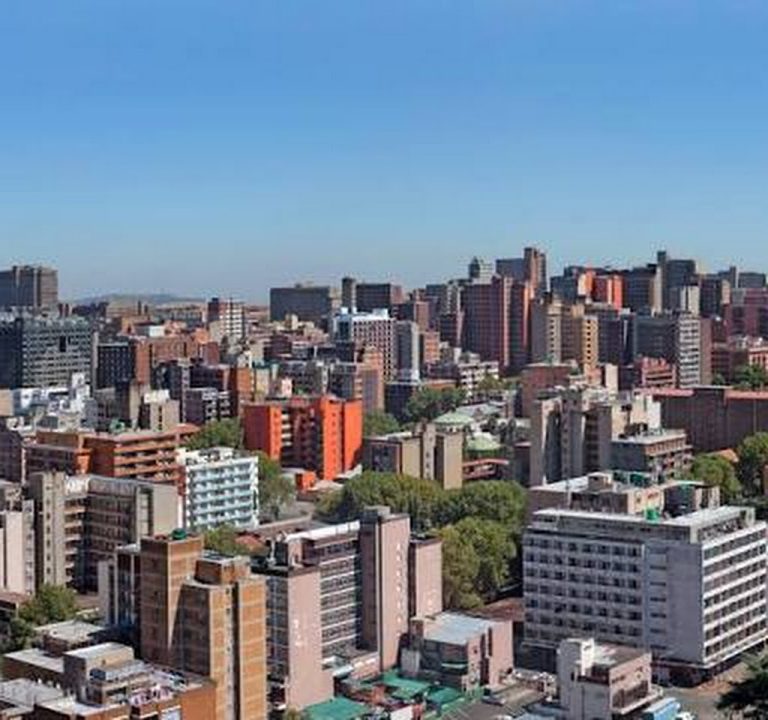
Johannesburg, or Jo’burg as many visitors call it, offers a vibrant mix of old‑world charm and modern energy. When planning a stay, consider areas that suit your pace, budget and transport needs. The city is well served by a variety of accommodation options, from boutique guesthouses tucked in leafy suburbs to contemporary hotels in busy commercial districts. A central approach can reduce daily travel time, while staying in trendier neighbourhoods can place you within easy reach of shops, eateries and cultural venues.
Accommodation in Johannesburg spans several core areas, each with its own character. A stylish boutique hotel or guesthouse in the Maboneng Precinct or Braamfontein can place you near galleries, cafés and nightlife, while Rosebank and Sandton offer a broader mix of shopping, dining and conference facilities. Melville provides a more relaxed, bohemian vibe with local eateries and live music, and the northern suburbs around Sandton are popular for upmarket hotels and secure, well‑established venues. When choosing where to stay, weigh proximity to major transit routes against the kind of neighbourhood you’d like to experience day and evening.
What to look for when booking accommodation:
- Proximity to transport links: Gautrain stations, major bus routes and reliable road access can shave hours off your daily plans.
- Security and access: check reception hours, controlled access and guest safety features, especially if you’ll be out after dark.
- Amenities that suit your schedule: reliable Wi‑Fi, on‑site parking if you’re driving, breakfast options, and 24‑hour reception can be important for early starts or late arrivals.
- Room configuration and comfort: unit layouts, air conditioning or heating, quiet rooms, and sufficient luggage space matter for longer stays.
- Flexibility and cancellation terms: travel plans can shift, so look for clear policies and reasonable rates for changes.
Typical amenities you may encounter include stylish en suite bathrooms, daily housekeeping, coffee stations or small kitchens, and access to common areas such as lounges, courtyards or rooftop terraces. Many properties offer curated local experiences, from guided neighbourhood walks to food‑focused tastings or art tours, which can be a convenient way to discover the city without extra planning.
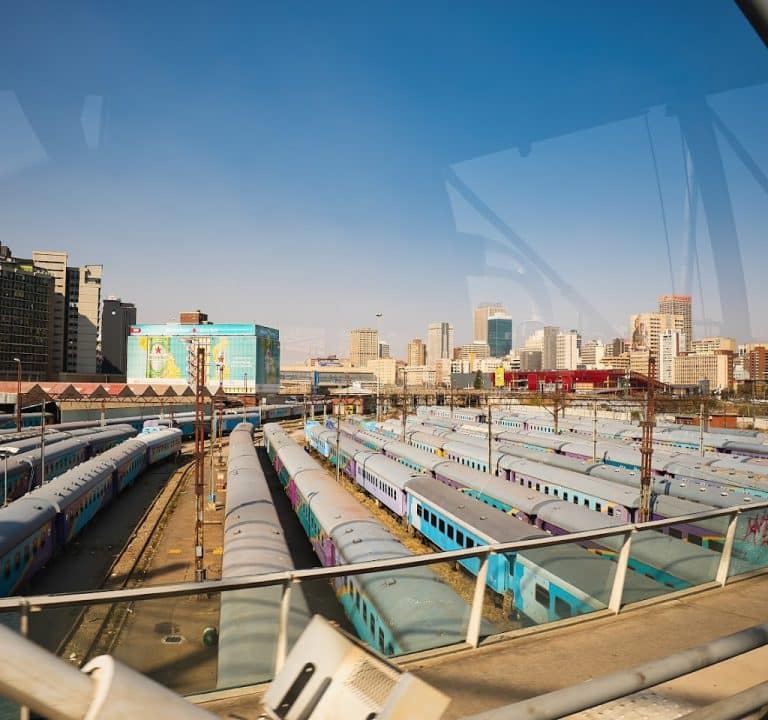
Transport and getting around in Johannesburg is straightforward with a mix of options. The Gautrain provides fast links between the city centre, Sandton, Rosebank and the airport, while Uber and other ride‑hailing services are widely available. If you prefer self‑driving, opt for lodgings with secure parking and easy access to major routes such as the M1 and the highway networks. Taxis and shuttle services are often offered by larger hotels, making it easier to reach business districts, stadiums or popular markets for a day out.
Best time to visit Johannesburg depends on what you’re seeking. The city experiences a warm subtropical climate, with late spring and autumn generally offering pleasant temperatures for sightseeing and outdoor dining. Summer brings afternoon showers and the possibility of thunderstorms, which can be dramatic but often brief. If you’re keen on outdoor markets, parks and street art tours, aim for the drier shoulder seasons. If you’re visiting for business, conference schedules and hotel availability often influence dates more than the weather.
Aside from sleeping arrangements, the city’s attractions and culinary scenes are a key part of a successful stay. General highlights include cultural centres, heritage exhibitions and green spaces set against a dynamic urban backdrop. In terms of dining, Jo’burg’s restaurant landscape ranges from modern bistros and rooftop cafés to traditional eateries that celebrate local flavours. Rather than focusing on individual venues or prices here, look for districts known for their culinary variety, walkable routes between eateries, and venues offering seasonal menus or tasting menus to sample a range of dishes in one evening.
Neighbourhoods and areas worth exploring, either on day trips or during a short stroll after dinner, include districts with a mix of storefronts, street art, music venues and small galleries. For planning, it’s helpful to start in a central hub and then branch out to neighbouring suburbs to experience the city’s different moods and architectural styles. If you’re interested in a taste of local life, short guided walks or community‑run tours can provide insight into the city’s history, design and future direction.
Practical tips for a smooth stay:
- Plan day trips with daylight hours in mind, especially if you’ll be in less central areas after dark.
- Carry some local currency for markets and smaller vendors, while many places also accept card payments.
- Pack comfortable walking shoes and a light layer for cooler evenings or air‑conditioned interiors.
- Book in advance for peak travel periods and major events, and verify cancellation terms just in case your plans shift.
For more ideas and practical travel information, you can explore official tourism sites and destination guides that focus on Johannesburg, including neighbourhood maps, transport tips and general visitor information. A well‑chosen base, sensible planning and a willingness to explore will help you uncover the city’s contrasts—from soaring skyscrapers and bustling markets to tranquil greenspaces and street‑level creativity.