Johannesburg: accommodation options, attractions, and planning your stay
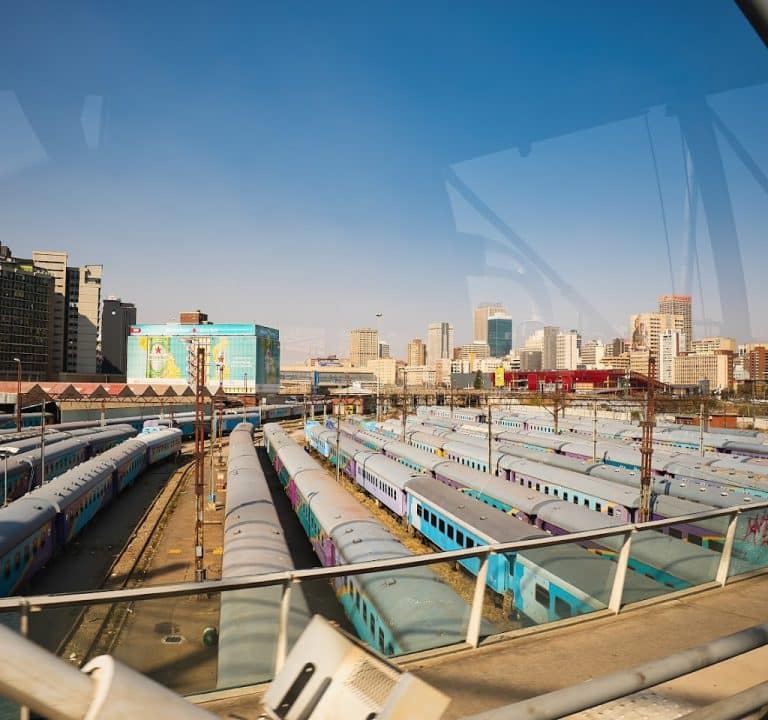
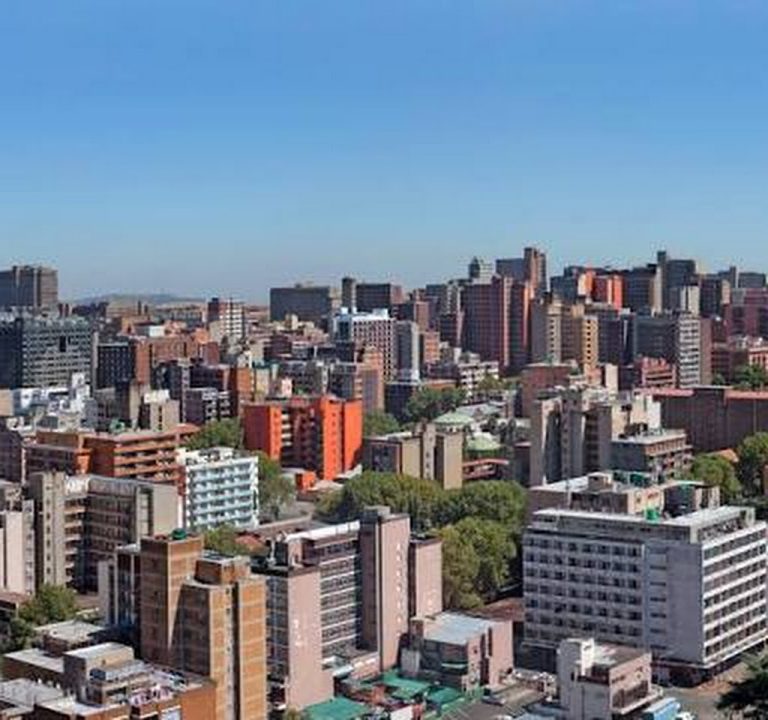
Johannesburg, or Jo’burg as many locals say, is a sprawling metropolis that offers a mix of modern hotels, intimate guesthouses, and stylish BnBs alongside vibrant neighbourhoods that reflect the city’s history and energy. When planning a stay in Gauteng’s largest city, it helps to picture your itinerary by area, then choose a base that puts you close to the activities you enjoy most.
Areas to consider
- Central and business districts: Great for access to museums, markets, and a lively urban atmosphere. Lodgings here tend to prioritise convenient transport links and on-site dining.
- Sandton and Rosebank: Known for upscale hotels, shopping, and a lighter commute to northern attractions. These areas are well served by the Gautrain and offer easy day trips to nature reserves and nearby towns.
- Braamfontein and Maboneng: Trendy, walkable neighbourhoods with boutique hotels, guesthouses, and plenty of cafés, galleries, and bars. Ideal for travellers seeking a live-work vibe and street-level culture.
- Melville and Greenside: Quieter residential districts with guesthouses and BnBs that provide a homely feel and walkable dining options.
- Soweto and the southern precincts: For a cultural immersion, consider hosted stays in guesthouses or small hotels that can arrange guided experiences and community visits.
What to look for when booking
- Location relative to your plans: Choose a base that minimizes long drives and maximises time for experiences.
- Transport links: Proximity to Gautrain stations or reliable road access makes day trips simpler.
- Safety and security: Look for well-lit streets, secure entrances, and reliable security measures in the building or complex.
- Amenities: Free Wi‑Fi, breakfast options, parking facilities, and on-site dining can save time on busy days.
- Rooms and facilities: Check for en-suite bathrooms, air conditioning, and adequate storage if you’re travelling with luggage or longer stays.
Typical amenities you may encounter
- Breakfast service, whether self-serve, continental, or cooked options.
- Free or paid parking, crucial for guests with rental cars.
- On-site or partner restaurant, bar, or tea rooms for convenient meals.
- Fitness centres, swimming pools, business lounges, and laundry facilities.
- 24-hour reception, secure access, and concierge-style help with local planning or reservations.
Transport and getting around
Johannesburg is best navigated with a mix of self-drive, rideshare apps, and rail connections. The Gautrain provides rapid links between the city and the suburbs, while taxis and rideshares are widely available within the city. If you’re exploring beyond the core urban areas, a car offers flexibility, especially for day trips to nature reserves, markets, or nearby towns. When booking, check if the accommodation offers shuttle services or can assist with airport transfers.
Best time to visit
- Dry season (roughly April to September) brings cooler mornings and pleasant daytime temperatures, ideal for outdoor markets, walking tours, and outdoor dining.
- Rainy season (roughly October to March) can bring thunderstorms and humidity; evenings are often warm and lively, with city lights, markets, and cultural events.
- Major events or conferences can affect availability and prices, so plan and book ahead if your visit coincides with a festival or expo.
Practical tips for travellers
- Safety: Stay in well-regarded areas, use reputable transport, and keep valuables discreet. Plan evening activities with your host or accommodation staff if you’re unfamiliar with an area.
- Weather readiness: Pack layers for changing temperatures and a light rain jacket during the wetter months.
- Connectivity: A local SIM or portable Wi‑Fi can help you navigate and book experiences on the go.
- Cash and cards: Many places accept cards, but a small amount of cash can be handy for markets or casual eateries.
- Respectful planning: Many neighbourhoods in Johannesburg have rich cultural histories; consider guided experiences that support local communities.
Attractions and dining in broad terms
Johannesburg offers a wealth of experiences beyond a single itinerary. Museums, exhibitions, markets, and heritage walking tours provide insight into South Africa’s past and vibrant present. For every day you plan indoors, there are complementary outdoor spaces such as parks or city viewpoints. The dining scene spans elegant restaurants offering modern cuisine to casual eateries focused on local flavours. In general terms, you’ll find a mix of contemporary cosmopolitan venues and neighbourhood spots where guests can sample traditional dishes and modern twists alike. Many accommodation providers can suggest routes that pair lodging with nearby attractions, market days, and evening entertainment.
Sample planning idea (balanced stay)
- Day 1: Arrive, settle in, and take a stroll in a nearby neighbourhood; enjoy a relaxed dinner at a hotel restaurant or a recommended local venue.
- Day 2: Visit major museums or galleries in the morning, followed by a market or cultural district walk in the afternoon; enjoy a casual evening meal and a rooftop or city-view experience.
- Day 3: Plan a day trip to a nature reserve or a nearby town, returning for a late dinner or a nightcap in a popular district.
If you’d like to explore further, many official tourism resources and city guides offer itineraries tailored to interests such as architecture, markets, history, and family-friendly activities. For planning insights and practical arrangements, you can visit official city information pages and transport services to map routes and discover recommended neighbourhoods and stays that align with your style and budget.
Links that may be useful:
- Gautrain: https://www.gautrain.co.za
- City of Johannesburg official site: https://www.joburg.org.za
In sum, Johannesburg can be enjoyed at a relaxed pace through well-situated stays, thoughtful planning, and a spirit of exploration that suits both culture-curious travellers and those seeking vibrant urban experiences.