Cape Town: Accommodation and Experiences for a Memorable Stay
Cape Town in the Western Cape offers a vibrant mix of landscapes, from dramatic coastlines and dramatic mountains to wine routes and artistic neighbourhoods. When planning a stay, consider choosing a base that suits your planned activities, whether you want beachside relaxation, city access, or easy access to the Winelands. A well-situated bed & breakfast or boutique hotel can provide a comfortable home away from home, with local hosts offering personalised tips for exploring the region.
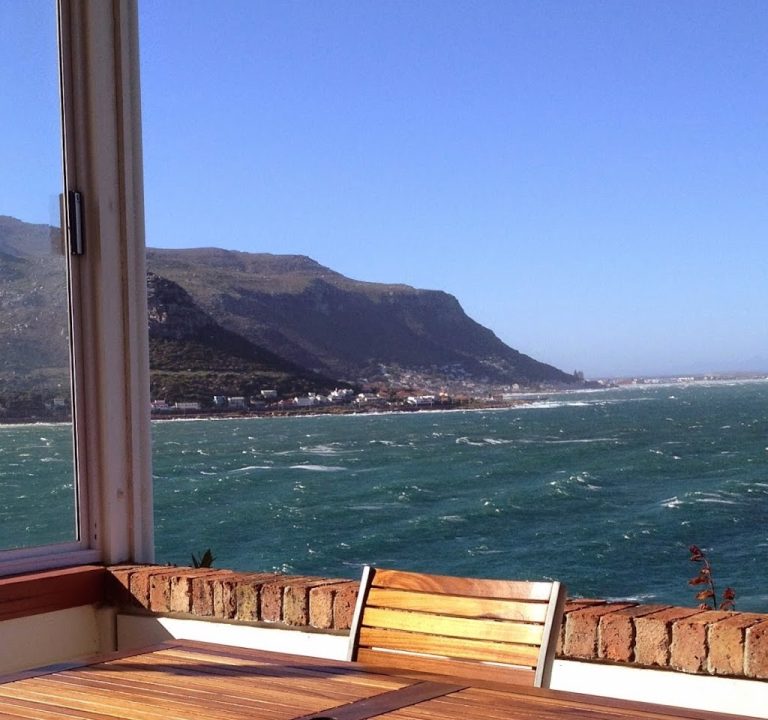
Villa Whales View, a welcoming bed & breakfast, exemplifies the kind of characterful accommodation that can enhance a visitor’s experience. Typical B&Bs in the area offer comfortable rooms, a shared or private lounge, and a delicious breakfast that helps you start each day with energy for adventures. When selecting a property, look for clear details about room configurations, on-site parking, breakfast options, accessibility, and nearby transport links. A friendly host who can point you towards safe neighbourhoods, scenic routes, and local eateries can be as valuable as the room itself.
Areas to consider when planning your stay:
- City Bowl and the central business district, for easy access to museums, markets, and iconic viewpoints.
- Atlantic Seaboard towns such as Camps Bay and Clifton, for beachside splendour and sunset vistas.
- Constantia and their surrounding wine estates for a calmer stay with easy hops to wine-tasting and nature walks.
- Green Point, Sea Point, and the V&A Waterfront for a balanced mix of dining, sightseeing, and harbour front walks.
- Woodstock and Observatory for a lively, trendy neighbourhood atmosphere with cafés and small galleries.
Key factors to look for when booking include the following:
- Views and access: sea or mountain views can greatly enhance your stay, but ensure that public transport access and parking are practical for your plans.
- Breakfast and amenities: a generous breakfast, reliable wifi, toiletries, and adequate heating or cooling can make a big difference, especially if you are travelling in shoulder seasons.
- Transport access: proximity to MyCiTi bus stops, railway stations, or major routes makes day trips easier, whether you plan to visit the Cape Peninsula or the Winelands.
- Safety and locality: choose well-reviewed options in established neighbourhoods with easy access to essential services and dining options.
- Flexibility: hosts who can accommodate different bed configurations, late check-ins, or sustainable practices can be particularly helpful for varied itineraries.
Typical amenities you might encounter include well-equipped bedrooms, breakfast rooms or verandas, ensuite or private bathrooms, secure parking, free (or reasonable) wifi, and recommendations for local experiences. Some properties offer add-ons such as guided walks, picnic hampers for beaches, or curated day trips to nearby nature reserves. Always check cancellation policies and any seasonal changes to services, especially around peak travel periods.
When planning day-to-day activities, Cape Town offers a spectrum of experiences without requiring long travel times. On the natural front, you can explore dramatic coastal drives, up-close wildlife encounters, and serene trails in surrounding nature reserves. Cultural experiences include visiting markets, galleries, and neighbourhood eateries offering diverse, flavourful cuisine. For a relaxed day, consider a stroll along the coastline, a harbour side lunch, or a short drive to the Constantia Valley or nearby towns for wine-tasting and scenic views. Keep in mind that traffic can be heavier during peak travel times, so building in buffer time is wise.
Best time to visit Cape Town is often considered to be during the late summer to early autumn period (roughly February to April) when sea temperatures are pleasant and the days are generally sunny. Spring (September to November) also offers mild weather and blooming flora in some locations. If you are seeking cooler climes and fewer crowds, shoulder seasons can be ideal for enjoying attractions at a relaxed pace without long queues. For beach-focused trips, December to February brings the warmest weather, but this is also the busiest period, so book well in advance.
Practical tips to help you enjoy your stay:
- Pack layers: Cape Town’s weather can be changeable, especially near the coast and at higher elevations.
- Plan a balanced itinerary: mix iconic sights with local neighbourhood explorations and quieter outdoor moments.
- Use reputable transport options: on-site parking, reputable car hire, or authorised tour operators can simplify logistics.
- Respect local customs and safety guidance: stay aware of your surroundings, particularly in busy tourist areas and after dark.
- Refreshment and dining: sample casual eateries and markets for affordable bites, while reserving dining at notable restaurants for evenings when you want a more structured experience.
Cape Town’s combination of scenic beauty, culinary diversity, and hospitable accommodation makes it a destination that rewards thoughtful planning. Whether you base yourself in a charming B&B like Villa Whales View or choose a modern guesthouse in a bustling district, you’ll find plenty of ways to tailor your stay to your preferences. For inspiration and practical details, consider exploring official tourism resources, local guides, and the websites of your chosen accommodation to plan a well-rounded and enjoyable visit.