Accommodation and Experiences in Cape Town: Planning Your Stay in the Mother City
Cape Town offers a diverse mix of self-catering apartments, guesthouses, boutique hotels and lodges that suit a wide range of budgets and travel styles. When planning a stay, consider the rhythm of the city neighbourhoods, the convenience of transport links, and the ease of accessing coastal scenery, table-top adventures and world-class dining. A well-chosen base can cut travel time and maximise time for exploring iconic landscapes, vibrant markets and hidden coastal corners.
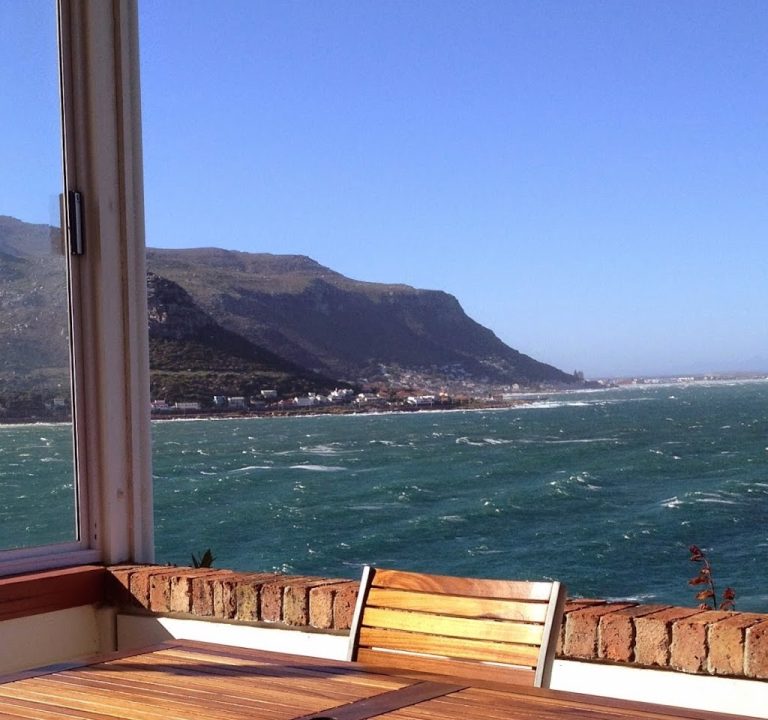
Areas to consider include the Atlantic Seaboard for sea views and easy access to beaches, the City Bowl for a central hub with restaurants and museums, and the Southern Suburbs for more residential calm near Kirstenbosch and Constantia wine estates. If you favour a quieter coastal ambience, towns such as Hout Bay or Fish Hoek offer a slower pace with scenic drives and nearby trails. Self-catering options like Capri 3 in Fish Hoek provide flexibility for families or groups, especially for longer stays or for guests who prefer to cook their own meals after busy days of sightseeing.
Key features to look for when booking include reliable Wi‑Fi, a well-equipped kitchen, secure parking if you’ll hire a car, and easy access to public transport. Many visitors appreciate a host or on-site manager who can share local tips, from best viewpoints to hidden eateries. Consider whether you’d rather a contemporary apartment with open-plan living and a balcony, or a cosy guesthouse tucked into a leafy lane. Accessibility and safety should be considered, especially if you plan to travel with children or elderly guests. A well-documented property listing with clear house rules, check-in instructions and unit size helps set expectations and avoids surprises.
Transport in Cape Town is varied. The MyCiTi bus network provides city-wide coverage and is a convenient way to move between central districts and the waterfront, while the modern Gautrain links Johannesburg and Pretoria not far from the region. For day trips to Cape Point, Camps Bay, or the Cape Winelands, a rented car offers the most flexibility, though guided tours and private transfers are reliable alternatives. If you plan to venture up Table Mountain, consider the weather window and either the cable car or a guided hike, ensuring you depart with suitable clothing and safety considerations in mind.
Typical amenities you may encounter in well-situated accommodation include a private or shared lounge, a well-equipped kitchen or kitchenette, laundry facilities, and in some properties, access to a courtyard or rooftop space. Fresh bedding, towels, and a reliable power supply are essential, as is clear guidance on recycling, waste disposal and energy usage. In self-catering stays, a well-stocked pantry or nearby grocery access can be advantageous, particularly if you are travelling with dietary preferences or children. Look for flexible cancellation policies and transparent house rules to help coordinate travel plans across your group.
Best time to visit Cape Town depends on what you want from your trip. Spring (September to November) brings blooming gardens and milder warmth, while autumn (March to May) offers comfortable hiking conditions and fewer crowds. Summer (December to February) is peak season with longer days and busy beaches, which makes early planning important. Winter (June to August) is cooler and wetter, but the city’s cultural calendar and indoor attractions remain lively. Pack layers, sun protection for outdoor days, and a light rain jacket for sudden showers. If you intend to visit wine farms or coastal towns, consider weekday trips to avoid peak weekend crowds.
When planning activities, a mix of natural beauty, cultural experiences and dining is ideal. Iconic landscapes such as Table Mountain, the Cape Peninsula and sandy beaches sit alongside museums, markets, and coastal towns with maritime histories. Half- and full-day itineraries can be tailored to your interests, whether you wish to explore scenic coastal drives, take a cable car ride to a summit, or learn about Cape Malay culture through walking tours and tastings. For a balanced itinerary, thread in moments of downtime at a café or restaurant with a view, and leave room to discover unexpected corners of the city as you wander through neighbourhoods like the City Bowl, Green Point, and the vibey harbour area.
Dining in Cape Town is varied and food-forward, with many restaurants focusing on fresh seafood, regional flavours, and contemporary cuisine using local produce. While prices, menus and awards evolve, the city’s dining scene consistently emphasises seasonal ingredients and inventive presentation. For a seamless experience, make reservations where possible, particularly during high season, and consider combining a restaurant visit with a nearby walk or sunset viewpoint. If you prefer flexibility, many accommodations provide guests with recommendations and maps to nearby casual cafés, bistros and markets where you can sample dishes at your own pace.
Practical tips for a smooth stay include booking accommodation with clear directions for check-in, nearby grocery stores or markets, and reliable public transport options. Have a plan for travel times to key attractions, and consider a mix of days with active sightseeing and relaxed downtime. Always check local safety guidance, stay aware of your belongings in busy areas, and follow any seasonal advisories. Cape Town is a city of rewarding contrasts—coast, mountain, and a cosmopolitan dining scene—and with thoughtful planning, your stay can balance restful downtime with memorable adventures.
- Choose a base that minimises daily travel time to your must‑see sites
- Prioritise well-reviewed self-catering or guesthouse options for flexibility
- Check transport access: proximity to MyCiTi routes or parking for a rental car
- Pack for varying weather and a mix of indoor/outdoor activities
- Plan around a couple of signature experiences + time to wander and dine