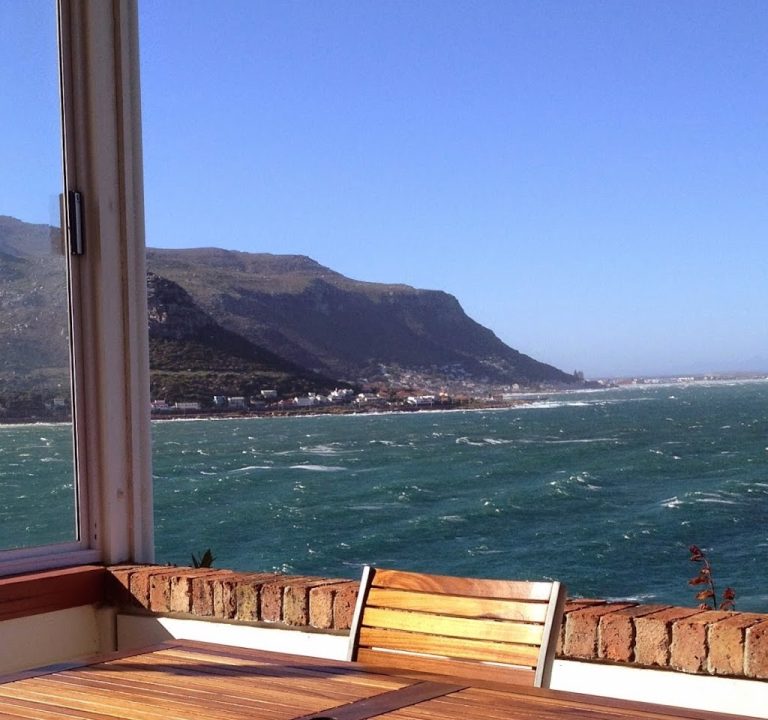
Exploring Cape Town: Where to Stay, What to Do, and How to Plan
Cape Town offers a compelling blend of mountain scenery, coastal vistas, and vibrant neighbourhoods, making it an ideal destination for a self‑catering stay or boutique break. When planning a visit, consider how you want to split your time between iconic sights, easy access to beaches, and the chance to explore local culture and cuisine. A well‑chosen base can cut travel time, reduce fatigue, and unlock more opportunities to wander on foot, catch a sunset, or hop between neighbourhoods by public transport or a ride‑share service.
Echo Terrace, a self‑catering option, provides a practical template for staying in Cape Town. With its own kitchen facilities, comfortable living spaces and convenient access to local amenities, it can serve as a reliable home base while you explore the region. Visiting websites for self‑catering managers or trusted booking platforms can help you compare apartment layouts, accessibility, and reviews, ensuring you pick a space that fits your schedule and group size. See the official site for current details and availability: Echo Terrace.
Where you choose to stay in Cape Town matters as much as what you plan to do. The city is easy to navigate, with several distinct areas that offer different atmospheres. The V&A Waterfront and the central city (CBD) are lively and convenient for first‑time visitors, with strong transport links and a wide range of dining options. Sea Point and Camps Bay lie along the Atlantic coast, offering coastal walks, cliffside views, and a more relaxed, high‑mellow pace. Constantia is renowned for leafy estates and wine‑country vibes, ideal for day trips and a slower tempo. Woodlands and Woodstock provide a blend of creative energy and accessible transport routes, while the leafy university district of Observatory offers a bohemian edge and affordable eateries. When choosing where to stay, balance proximity to the places you want to visit with the kind of character you enjoy in a neighbourhood.
Typical amenities to look for when booking include reliable Wi‑Fi, well‑equipped kitchens, comfortable sleeping arrangements, secure access, and clear information about parking. If you plan to drive or use rides, check whether parking is available on‑site or nearby, and whether the property is in a residential zone with any parking restrictions. For those who prefer the freedom of public transport, consider proximity to major bus routes or a train line that connects you to the city centre, the coast, or attractions such as Table Mountain or Robben Island ferry terminals.
Timing your visit can enhance your experience. Cape Town enjoys mild winters and warm summers, but some seasons are more suited to certain activities. The spring and autumn months often offer pleasant temperatures for outdoor exploration, hiking in Table Mountain National Park, or coastal walks. Summer brings longer daylight hours for beach days and outdoor dining, while winter can be cooler and rainy, which may reduce some outdoor plans but offers a different, atmospheric charm. If you intend to hike or take a cable route up Table Mountain, check the weather and prepare for sudden changes, as conditions can shift quickly in the mountains and at higher elevations.
When planning activities, think in terms of a balanced itinerary. You might reserve mornings for scenic highlights or a coastal walk, set aside afternoons for museums, markets, or a visit to a vineyard, and leave evenings open for dining experiences that suit your pace. Cape Town’s dining scene ranges from casual eateries to polished dishes with multi‑course offerings. Rather than fixating on specific restaurant names, look for venues with a focus on fresh, seasonal produce, local flavours, and a relaxed atmosphere that suits your travel style. Many areas offer a mix of casual cafés, family‑friendly spots, and more refined options, giving you ample choice without long queues.
Transport is a practical element to consider. If you’re staying in popular areas, you may find that local bus routes and short rides are sufficient for most sightseeing days. Alternatively, hiring a car gives you the flexibility to explore beyond the city’s core, such as the Cape Winelands, the Constantia Valley, or scenic coastal drives. If you prefer not to drive, many operators offer day tours or private guides that can tailor experiences to your interests, from nature hikes to cultural neighbourhood explorations. Safety remains important in urban destinations, so plan ahead for night travel and keep valuables secure in public spaces.
Key attractions to include in any visit—without committing to specific names—often cover a mix of natural beauty, cultural history, and viewpoints. Expect sweeping coastal panoramas, cable or viewpoint access to elevated terraces, and outdoor markets or galleries that showcase local crafts. For dining, a focus on fresh seafood and produce, paired with wine from nearby regions, can provide a quintessential Cape Town experience. If you’re planning a multi‑day stay, consider a day devoted to a wine‑and‑dine excursion or a coastal trail that combines scenery with light activity.
- Assess the neighbourhoods that suit your pace and interests
- Check proximity to major sights, beaches, and transport hubs
- Confirm kitchen facilities, laundry, and storage space for longer stays
- Review parking arrangements and security features
- Plan a balanced mix of outdoor time, cultural discovery, and leisure
Cape Town rewards flexible itineraries and thoughtful planning. By selecting a well‑located base, understanding transport options, and grouping activities by area, you can craft a stay that feels both relaxing and immersive. Whether you choose self‑catering accommodation like Echo Terrace or another option, a well‑structured plan will help you make the most of your time in the Western Cape’s spectacular coastal city.