Exploring Cape Town: Where to stay, what to do, and how to plan your visit
Cape Town offers a rich tapestry of neighbourhoods, coastlines and cultural experiences, making it a rewarding destination for travellers seeking both relaxation and adventure. When choosing accommodation, consider the vibe you want from your stay, how you will get around, and what you hope to explore each day. A well-situated B&B such as Suki C Luxury B&B can provide personalised service and a home-from-home feel, while larger hotels or lodges nearby may offer extensive facilities for families or groups.
Areas to consider for your stay
City Bowl and the central areas are ideal if you want quick access to museums, galleries and restaurants, with convenient hops to Greenmarket Square and the historic Bo-Kaap. The Atlantic Seaboard, including Camps Bay and Clifton, is famous for sweeping ocean views and easy beach access, ideal for sun, sunsets and long coastal walks. Constantia Valley offers a leafy, wine country feel with wine estates and gardens nearby, great for day trips without straying far from the city. The central neighbourhoods of Woodstock and Observatory present a more creative, affordable edge with good transport links to the city centre and the beaches. For families, coastal towns such as Hout Bay provide a scenic drive and options for boat trips or visits to nearby nature reserves. When planning, balance your wish for scenery with the practicality of transport and parking options.
What to look for when booking
- Location relative to your planned activities: proximity to the waterfront, city sights, or easy access to the highway for day trips along the Cape Peninsula.
- Type of accommodation: a cosy B&B with personalised tips, a guesthouse with breakfast and common spaces, or a boutique hotel with on-site dining and spa facilities.
- Amenities and flexibility: reliable Wi-Fi, secure parking, self-catering options, and flexible check-in times can make a big difference to the flow of your trip.
- Guest reviews and host knowledge: hosts who offer tailored recommendations for routes, markets, and dining frequently enhance the stay.
- Transport access: proximity to MyCiTi bus routes, taxi services, or convenient Uber/Lyft access helps reduce travel stress, especially if you do not have a car.
Typical amenities you might encounter
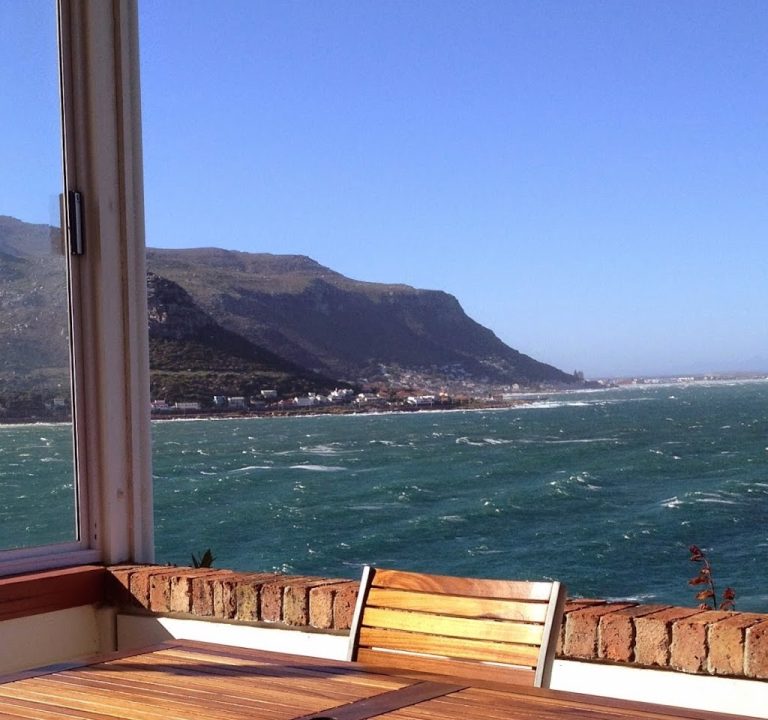
Many properties in Cape Town offer warm, attentive service, comfortable rooms with en-suite bathrooms, and inclusive breakfast options. It’s common to find well-equipped kitchens or kitchenettes for self-catering, outdoor spaces or patios with views, and secure parking. Some rooms may feature ocean or mountain scenery, while others prioritise modern design and quiet corners for work or reading. If you value sustainability, look for properties that use water-saving measures, recycling programmes, or energy-efficient lighting.
Planning your stay: transport, seasons and practical tips
Cape Town is best enjoyed with some planning around seasons. The summer months (December to February) bring longer days and lively outdoor dining, yet they can be busier. Shoulder seasons in spring and autumn offer milder weather and fewer crowds, while winter (May to August) is typically cooler and wetter, but you can find good-value stays and intimate restaurant experiences. Always check daily weather patterns before long coastal trips and plan flexible itineraries to accommodate changing conditions.
Getting around the city and its surroundings is straightforward but benefits from a little foresight. A mix of walking, rideshares, and short drives works well for most visitors. For trips to the Cape Peninsula, a guided day tour or a self-drive itinerary with planned stops (depots, viewpoints, and reserves) makes the most of the scenery. If you plan to explore wine routes in Constantia or nearby areas, consider a practical schedule that avoids peak traffic hours and allows time for tastings and leisurely meals.
Places to consider for a memorable mix of urban and nature experiences
Cape Town’s attractions span world-class viewpoints, historic districts, and expansive natural spaces. Highlights include iconic harbour and waterfront views, a cable car journey up Table Mountain for panoramic city and ocean scenery, and easy access to natural reserves and coastal trails. For food lovers, the city’s dining scene ranges from casual eateries offering local flavours to refined restaurants that celebrate seasonal produce. Markets, craft stalls and street food can provide a sense of the city’s creative energy, especially on Saturdays in the heart of town or along the Atlantic Seaboard.
Tips for a smoother stay
Plan a balanced itinerary with one or two signature sights per day, leaving room for spontaneous discoveries: a hidden cafe, a coastal path, or a local park. Pack layers for varying conditions along the coast and the mountains, and bring a reusable bottle to stay hydrated during outdoor explorations. When dining out, it’s worth asking for seasonal recommendations or off-peak times to enjoy popular spots with more relaxed service. Finally, check official tourism resources for any seasonal events or temporary closures that could influence your plans.
For more inspiration and planning ideas, you can explore official Cape Town tourism information and reputable travel guides, which offer practical insights on routes, transport options, and a sense of what makes the city a beloved destination for travellers from around the world.