Cape Town: Accommodation, Attractions and Planning Your Stay
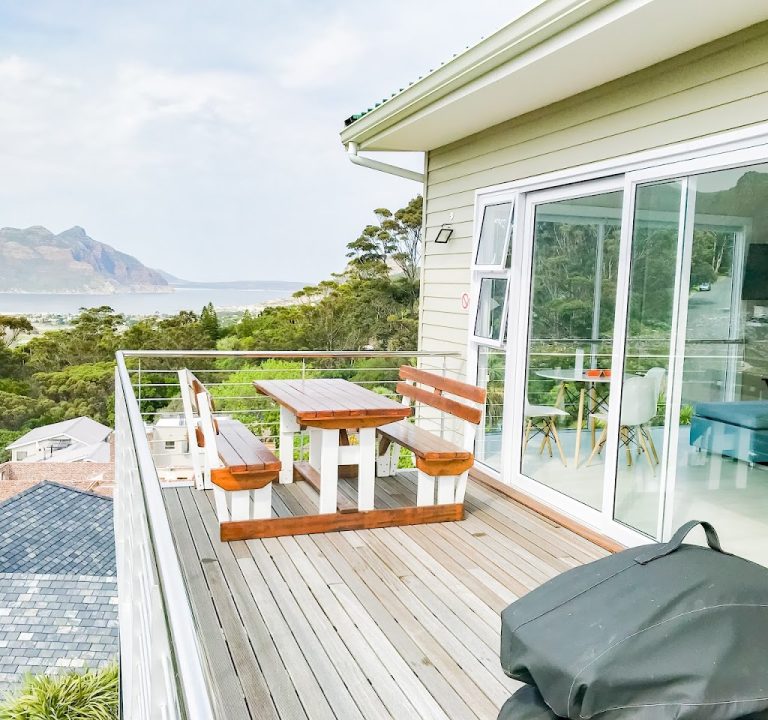
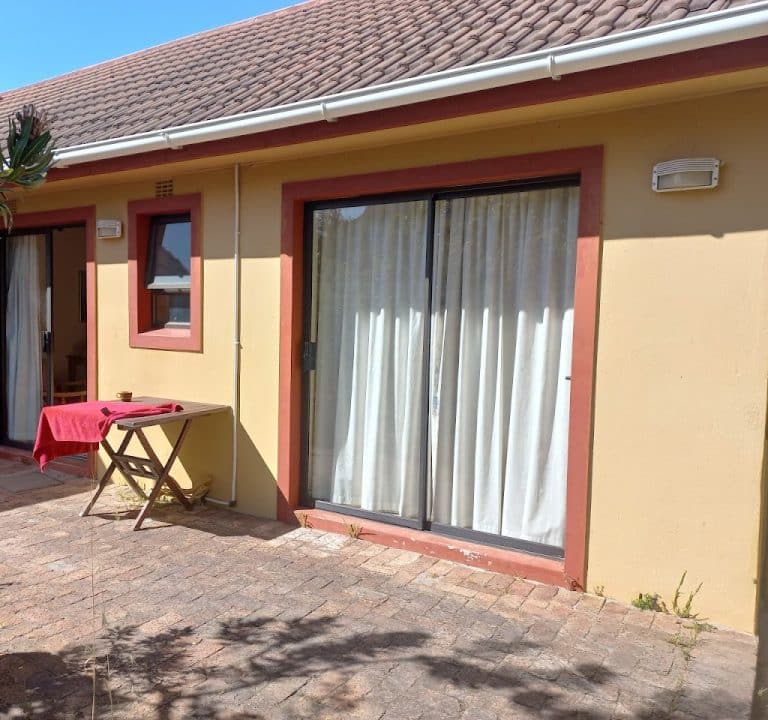
Cape Town combines natural splendour with a cosmopolitan cultural scene, making it a magnet for travellers seeking both restful accommodation and engaging experiences. When planning a stay, think about neighbourhoods that match your priorities—scenic views, easy access to attractions, nightlife, beaches, or winelands day trips. A guest house such as Villa Montebello offers a comfortable base with a personal touch, often in quieter residential streets yet within reach of central sights.
First, select your base with routine logistics in mind. The City Bowl and the stylish Atlantic Seaboard neighbourhoods (including camps for a gentle beach vibe and dramatic coastal scenery) are popular for first-time visitors. The Waterfront area suits travellers who value easy access to harbour cruises and museums, while Constantia and the surrounding valley provide a leafy setting ideal for wine-tasting excursions and relaxed breakfasts. For a more off-the-beaten-path feel, neighbourhoods such as Green Point, Tamboerskloof, and Kalk Bay offer a blend of convenient transport links, cafés, and independent shops. Consider proximity to the city’s routes for the day trips you have in mind—Table Mountain, the Cape Peninsula, and the Winelands are all feasible from several bases without long journeys.
When choosing accommodation, look for several practical features. Guest houses and small boutique hotels often emphasise personalised service, good breakfasts, and easy access to public transport or parking. Check room configurations (en-suite bathrooms, air conditioning, storage space), and whether the property offers communal lounges, balconies with views, or garden spaces. Wi‑Fi reliability can be important for remote work or itineraries; some properties provide workspaces or quiet corners for reading and plan-making. If meals are included, confirm the timing and scope of breakfast or dinner offerings, and whether there are options for dietary requirements.
Transport is a key planning element in Cape Town. The MyCiTi bus network covers major routes, and rail connections link to outlying towns and Cape Town’s southern suburbs. If you plan longer day trips—such as to the Cape Peninsula or the Constantia Valley—car hire or a guided tour can be convenient. Some guest houses arrange transfers or partner with reputable tour operators, which can simplify logistics. Regardless of transport choice, it’s prudent to budget a little extra for peak season traffic and the occasional detour to enjoy a recommended spot you hadn’t anticipated.
The best time to visit Cape Town depends on your priorities. The spring and autumn shoulder seasons (roughly September to November and March to May) often offer milder weather, fewer crowds, and pleasant conditions for hiking and coastal walks. Summer (December to February) brings longer days and beach-friendly weather, ideal for coastal exploration but busier with festival crowds. Winter (June to August) is cooler and windier, but museums, galleries, and indoor experiences can be especially appealing, with lower accommodation rates in some areas. If you’re chasing outdoor adventures, check the wind and swell forecasts for coastal activities and plan accordingly.
Around the city, there are countless experiences to consider, from scenic viewpoints to cultural hotspots. Iconic natural scenery includes Table Mountain and the surrounding reserves, while the harbour, markets, and historic districts offer a blend of ocean breeze, street art, and culinary curiosity. For dining, Cape Town presents a spectrum of options from casual cafés to sophisticated eateries focused on seasonal, locally sourced ingredients. When planning meals, consider trying several neighbourhoods to sample different takes on seafood, grills, and modern South African cuisine. Remember that many venues prioritise booking ahead, especially during peak times.
Practical tips to help you plan a smooth stay:
- Book accommodation with flexible cancellation policies where possible, especially if travel plans may shift.
- Request recommendations for safe neighbourhoods and accessible routes to major sights.
- Check for on-site parking or nearby parking options if you’ll be driving.
- Pack layers: coastal weather can be changeable, with cool mornings and evenings even in warmer seasons.
- Plan a mix of outdoor activities and indoor experiences to balance energy levels and weather.
- Use reputable sources for restaurant and activity ideas, and consult guest reviews to gauge consistency.
With its scenic beauty, diverse dining, and a welcoming accommodation culture, Cape Town rewards thoughtful planning. A stay that balances a comfortable base with selective day trips—whether to a wine estate, a rugged coastline, or a historic district—can deliver a vivid and memorable experience of the Western Cape. For inspiration and practical planning ideas, reputable tourism resources and local guesthouse recommendations can be valuable as you shape your itinerary and confirm booking details.
For further information, see official travel resources and regional guides to Cape Town and the Western Cape. These sources can help you map routes, understand seasonal considerations, and discover new neighbourhoods to suit your travel style.