Cape Town Accommodation and Experiences: Planning a Memorable Stay
Cape Town is a gateway to extraordinary scenery, diverse neighbourhoods and a rich mix of culture, cuisine and outdoor adventure. When planning a stay, think about the rhythm of your days: whether you want dramatic ocean views, easy access to beaches, or a buzzy city centre with dining and markets. The Western Cape offers a range of lodging styles—from intimate guesthouses and boutique hotels to self-catering apartments and coastal lodges—each with its own character and advantages for different itineraries.
Popular areas to consider include the historic, harbour-side precinct with easy access to the V&A Waterfront, the leafy valleys and culture-rich streets of the City Bowl, and the scenic Atlantic seaboard where cliff paths, beaches and trendy eateries abound. For a more relaxed, family-friendly vibe, the southern peninsula and Constantia Valley provide easy day trips to wine estates and nature reserves while staying slightly away from the city buzz. When choosing a base, balance proximity to your must-see sights with the style of experience you want—from boutique hospitality to a homely guesthouse atmosphere.
Accommodation options vary in scale and tone, but common features you can expect include comfortable beds, secure access, housekeeping, and a welcome by staff who can offer tips on local travel, dining and activities. Some properties provide breakfast, others are self-catering, and many boutique options go further with curated experiences such as guided hikes, wine tastings nearby, or personalised city tours. If you are touring with friends or family, look for living spaces that offer separate bedrooms, a lounge area and a kitchenette or private dining space to make evenings relaxed and sociable.
For a practical choice that combines value and character, consider lodging that markets itself as traveller-friendly and well-connected to transport routes. A well-located guesthouse or lodge may offer a short walk to a tram, bus stop, or cycle paths, making it convenient to explore the city centre, Table Mountain National Park or the scenic coastal routes on your own schedule. In Cape Town, many properties are mindful of safety and privacy, with features such as 24-hour reception, secure parking, and well-lit entrances, which can be reassuring when you are unfamiliar with the area.
Typical amenities worth looking for include free Wi-Fi, climate control, breakfast options, a comfortable lounge, a well-equipped kitchen or self-c catering facilities, good lighting for work or reading, and a friendly staff ready to suggest local restaurants and activities. If sustainability matters to you, check for energy-conscious practices, water-saving measures, and recycling options. A small but welcome touch in many Cape Town lodgings is complimentary access to information about nearby nature reserves, beaches, and cultural experiences, which can save planning time and help you tailor your days to weather and tides.
Getting around is usually straightforward, but planning in advance helps whether you prefer a rental car, rideshare options, or public transport. MyCiTi buses connect the central city with many popular suburbs, while scenic drives along the Atlantic Seaboard and the coastal route to the Cape Point area reward road trippers with memorable views. If you plan to venture to the Cape Peninsula or multiple day trips, you might prioritise a property with parking or easy access to a taxi or ride-hailing service. For shorter hops to the city’s iconic viewpoints, a walkable neighbourhood base can be ideal, allowing mornings spent at popular viewpoints and afternoons exploring markets or museums.
The best time to visit Cape Town spans spring and autumn, when warm days are tempered by cooler evenings and visitor numbers are comfortable. Summer (December to February) brings bustling beaches and longer days, while winter (June to August) tends to be quieter, with occasional rain but plenty of indoor culture and dining options. If you enjoy outdoor activities such as hiking or sea swims, plan around prevailing conditions and tides, and consider a flexible itinerary that allows for weather-related adjustments.
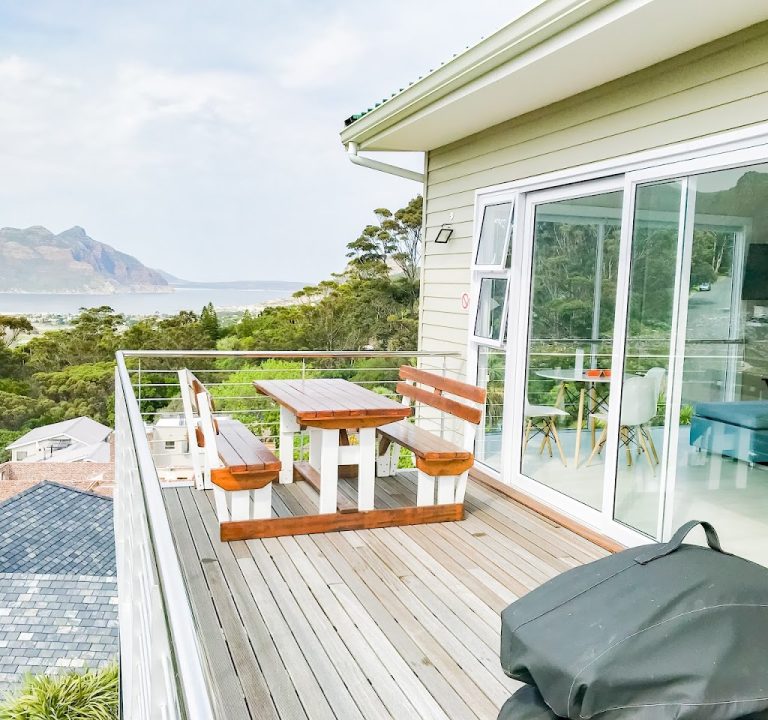
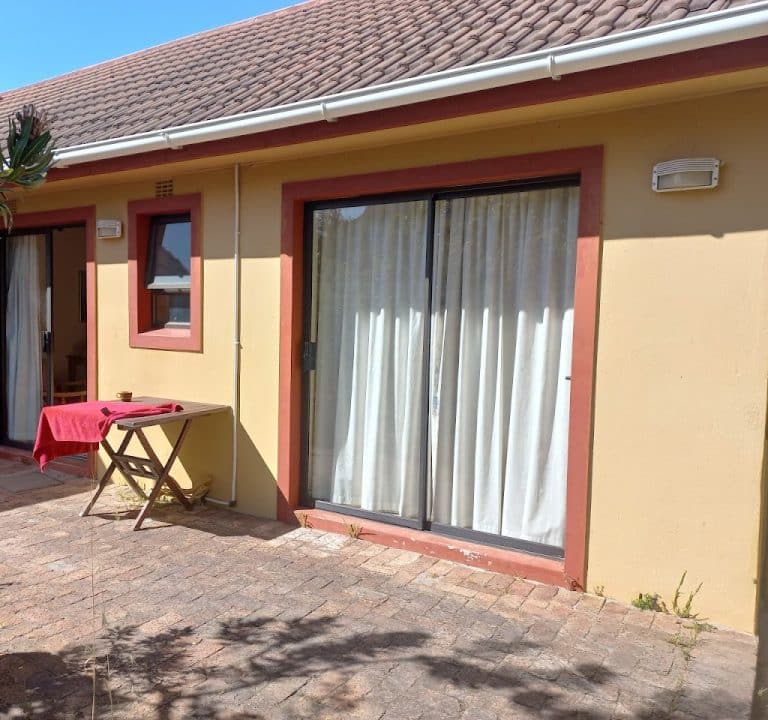
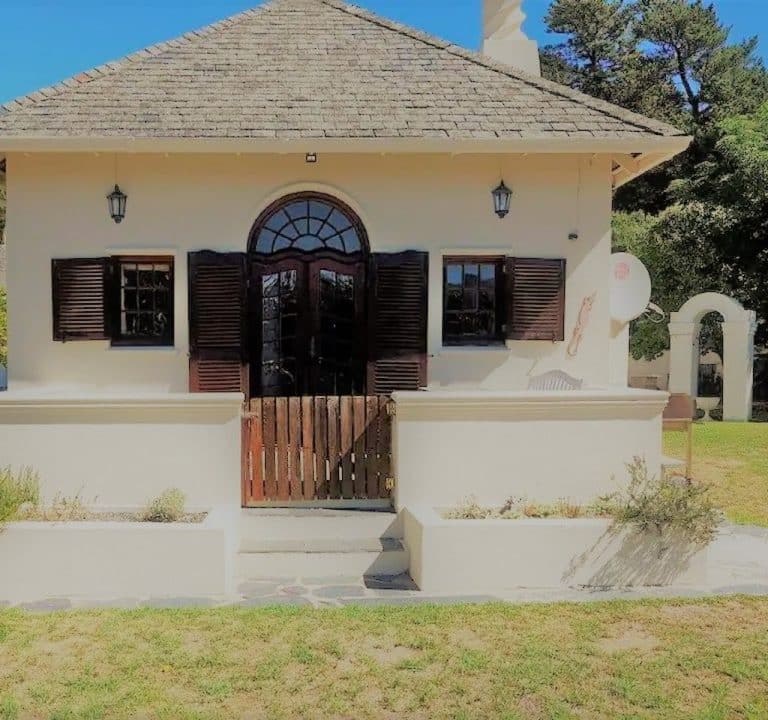
To help illustrate the kind of lodging you might book, consider this example: Dreamhouse, a lodging option known for its guesthouse character and friendly service. It sits within a convenient area for exploring landmarks and natural spaces and offers a website where you can browse room configurations, check availability, and review practical details. For those planning their stay, visiting the property’s site can provide helpful insights into how to tailor your visit to your interests, whether you prioritise sunrise walks, easy access to markets, or close proximity to hiking trails. Website: http://www.dreamguesthouse.co.za/
When choosing where to stay, keep this quick checklist in mind:
- Location and transport links: proximity to your planned sights and ease of access to public transport or parking.
- Level of comfort and room configuration: bed type, en-suite facilities, noise levels, natural light.
- Amenities and services: breakfast options, laundry, Wi-Fi quality, and guest reception hours.
- Safety and security: secure access, well-lit surroundings, and staff availability.
- Cancellation policy and flexibility: especially important if travel plans may change.
With careful planning, a stay in Cape Town can combine restful retreats with exhilarating days outdoors and memorable meals. Whether you anchor your trip in a charming guesthouse, a boutique hotel with sea views, or a self-catering apartment in a vibrant neighbourhood, a well-chosen base makes the city’s mountains, coastline and culture all the more inviting. Add a few restaurant discoveries and a mix of guided experiences, and your Cape Town visit can unfold as a well-paced, diverse journey through one of the world’s most dynamic coastal cities.