Staying in Cape Town: where to base yourself, what to look for, and how to enjoy the city
Cape Town combines stunning natural beauty with a vibrant urban scene, making it essential to choose a base that reflects your itinerary. Whether you arrive for pristine beaches, iconic views, historic neighbourhoods, or world-class dining, the right accommodation can set the tone for your whole trip. The Platinum Boutique Hotel is an example of a stylish option in the city, offering a central location with easy access to many of the area’s highlights. When planning your stay, consider proximity to activities you want to prioritise, as well as convenient transport links to minimise travel time while you explore.
Areas to consider when booking your stay include:
- City Centre: A hub for business, nightlife, and easy access to museums, galleries, and many guided tours. Rooms here can range from modern studios to characterful boutique spaces, often with easy access to public transport and a lively street scene.
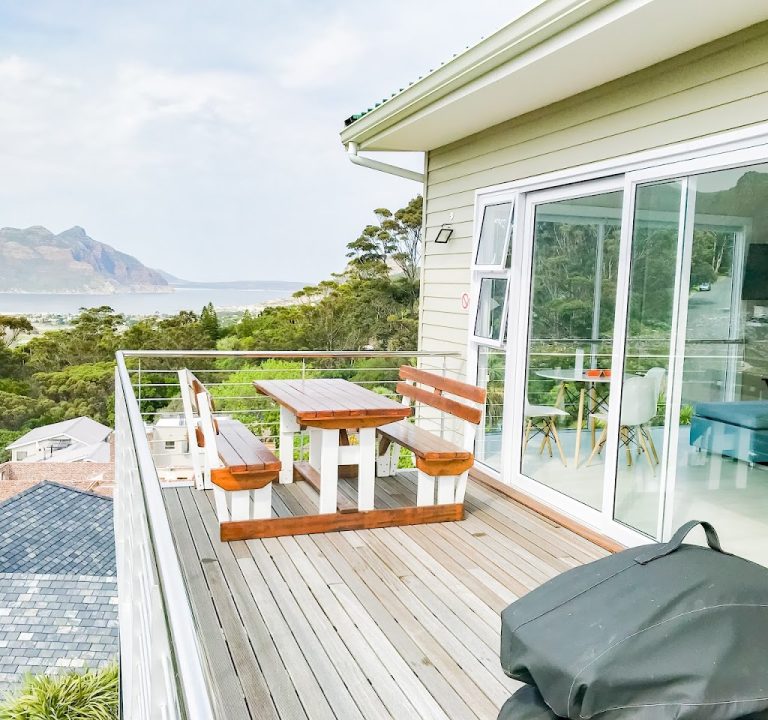
- V&A Waterfront and the Atlantic Seaboard: Ideal for families and travellers who want waterfront scenery, dining options, and a scenic promenade. Lodges, hotels, and serviced apartments in this belt frequently offer sea views and well-appointed amenities.
- Green Point and Mouille Point: A walkable area with parks, beaches, and a relaxed vibe, popular with visitors who want a balance of coast and city life.
- Sea Point and Camps Bay: Known for coastal walks, with a range of upscale hotels and guesthouses. This area suits those seeking ocean vistas and a more relaxed pace, while still being a short drive from central sights.
- Constantia and the Southern Suburbs: Great for wine lovers and travellers seeking a quieter stay amid leafy streets, with access to vineyards and scenic drives along the Constantia Valley.
What to look for when booking a stay in Cape Town varies with your plans. Consider the following core considerations to avoid common pitfalls:
- Location versus access: A slightly longer journey to the main sights may be worth it if your accommodation offers better value, a calmer atmosphere, or superior comfort.
- Room configuration and privacy: If travelling with family or a group, look for suites or multiple bedrooms, or consider serviced apartments for flexibility.
- Facilities and amenities: A reliable internet connection, secure parking, a well-equipped kitchen or kitchenette, air conditioning, and daily housekeeping can enhance comfort, especially during the warmer months.
- Safety and building access: Ensure the property has secure entry, adequate lighting, and clear local guidance on neighbourhood safety.
- Transport links: Proximity to MyCiTi bus stops, rail services, or easy rideshare access can make a big difference for day trips and city explorations.
Typical amenities you might expect in a well-run Cape Town property include comfortable bedding, en-suite bathrooms, quality linens, and convenient touches such as a coffee station, a fridge, and a safe for valuables. For those seeking a touch of indulgence, some hotels and boutique guesthouses offer on-site eateries, rooftop terraces, or spa facilities. If you’re staying in a self-catering option, check for a well-equipped kitchen, laundry facilities, and clear guest guidelines about waste disposal and recycling.
Transport and getting around the city is part of the Cape Town experience. Public transport is available, though many visitors prefer taxis or ride-hailing apps for door-to-door convenience. If you’re planning day trips to a Cape Point nature reserve, winelands, or coastal towns, consider arranging a guided tour or renting a car for the day. In peak seasons, it’s wise to book activities and popular restaurants in advance, especially over weekends and school holidays.
The best time to visit Cape Town depends on your interests. The city enjoys a Mediterranean-like climate with warm, dry summers and cooler, wetter winters. Summer (roughly October to April) brings longer days, coastal breezes, and excellent beach conditions, but it also draws larger crowds. Shoulder seasons—spring and autumn—offer pleasant weather with fewer crowds and often better-value accommodation. If you’re keen on outdoor activities like hiking, wildlife viewing, or coastal road trips, plan for morning departures to enjoy cooler temperatures and clearer views.
When exploring attractions and dining in Cape Town, balance should guide your plans. The city provides a broad mix of experiences without needing to book every detail in advance. Iconic viewpoints and museums can typically be enjoyed with flexible time slots, while popular eateries and wine estates may require reservations, particularly on weekends. Look for neighbourhood dining options that celebrate local ingredients and contemporary South African cuisine, and consider combining a restaurant visit with a stroll around nearby markets or waterfront promenades for a fuller sense of place.
Practical tips to help you plan a smooth stay include:
- Pack for variable conditions: coastal winds can be unpredictable, so layer up for mornings and evenings even in warmer months.
- Stay mindful of travel times: traffic can affect drive times between the city and outlying areas, especially during peak hours.
- Respect local guidelines and safety advice in specific areas, particularly at night or in less tourist-filled neighbourhoods.
- Keep a flexible itinerary: allow time for unexpected discoveries, such as a windy sunset by the sea or a recommended cafe that locals adore.
For more inspiration and practical planning, consider official tourism sites and trusted travel guides that map out recommended routes, seasonal events, and dining highlights. Cape Town rewards patient explorers with its natural beauty, diverse neighbourhoods, and a welcoming atmosphere that makes planning a stay as enjoyable as the trip itself. Whether you’re drawn to luxury, boutique charm, or budget-friendly stays, the city offers a range of options to suit every traveller’s tastes and pace.