Where to Stay and What to Do in Cape Town: A Practical Guide for Visitors
Cape Town blends dramatic scenery with a welcoming atmosphere, making it a standout destination for both short breaks and longer stays. When planning accommodation, consider the mix of neighbourhoods, access to transport, and the pace you want from your visit. Self-catering options, guesthouses, and boutique hotels each offer a different flavour of convenience and comfort, from kitchen-friendly stays to personalised service and insider tips from local hosts.
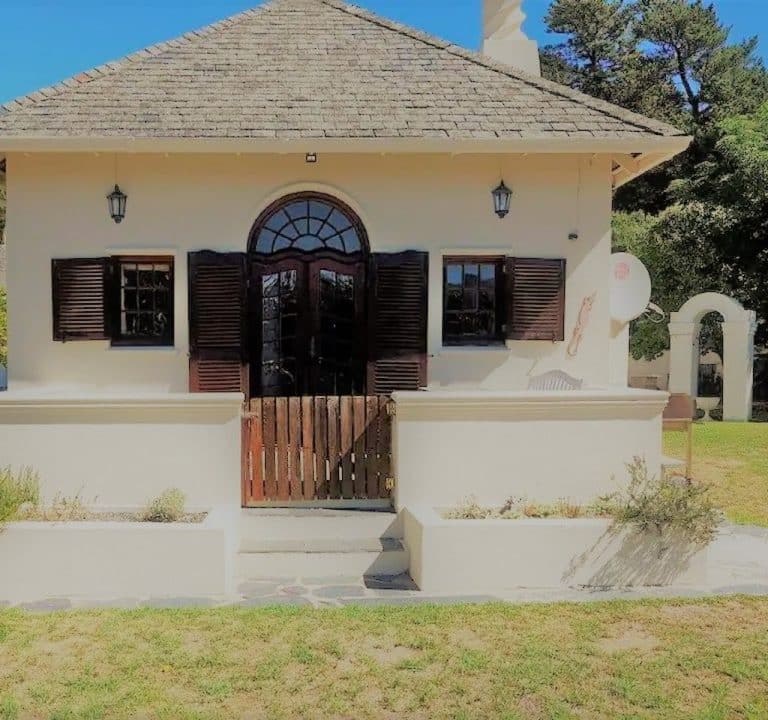
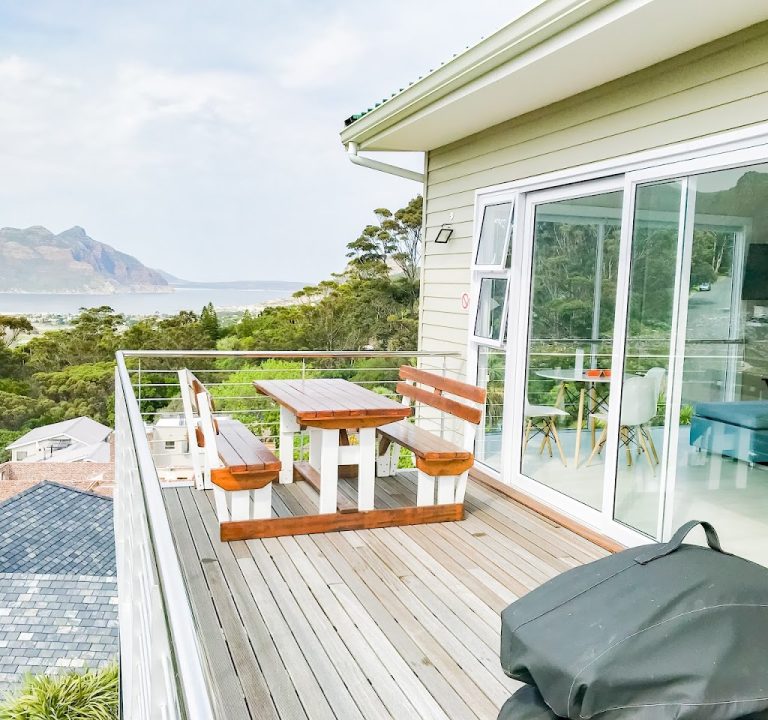
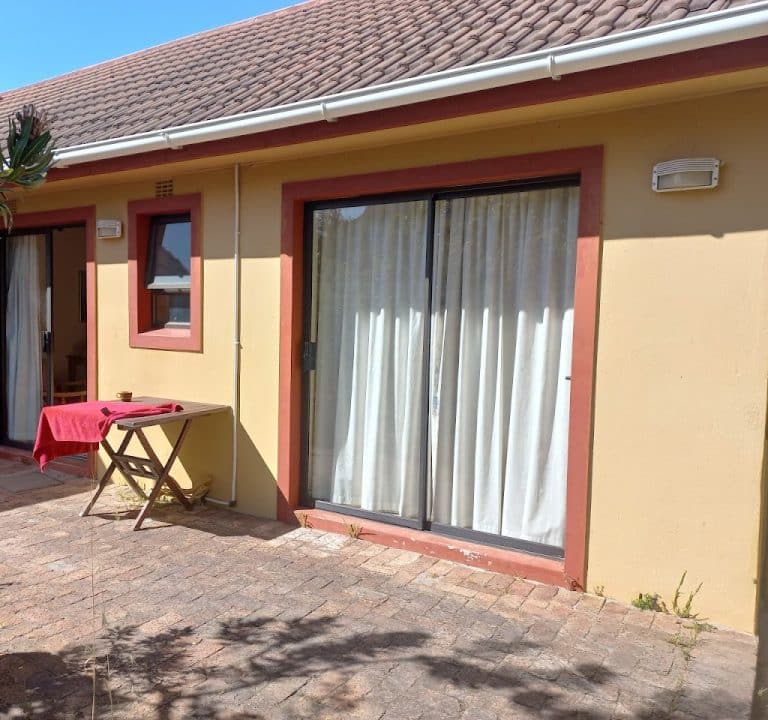
For a well-rounded stay, think about how you’ll get around. The city is threaded with MyCiTi buses, rail connections, and plentiful taxi and ride-hailing options. If you prefer a bit more independence, a self-catering unit or apartment can be a wise choice, especially if you want to cook a few meals after days spent exploring. Mount Rhodes Manor, a self-catering option, provides an example of how a home-away-from-home atmosphere can suit travellers seeking flexibility and additional space. More information can be found on its dedicated page: Mount Rhodes Manor.
Areas to consider when booking include the V&A Waterfront and the central City Bowl for easy access to museums, markets, and dining. The Atlantic Seaboard and Camps Bay offer dramatic coastal views, stylish rooms, and a breezy atmosphere—great for families and couples who want a beachy vibe with proximity to table‑mountain trails. Green Point and the Woodstock area provide a more urban experience with handy public transport links and a growing selection of eateries. If you’re after a quieter stay with garden space and views, the Constantia and Tokai regions near the foothills of Table Mountain are ideal for a slower pace and day trips to wine estates.
When choosing accommodation, look for a few essential features. A well-equipped kitchen or kitchenette can save money on meals, while a reliable Wi‑Fi connection is helpful for planning activities or working on a staycation. Clear information about check-in times, parking arrangements, and accessibility is valuable, particularly if you’re travelling with children or mobility needs. A pleasant outdoor area—balconies, courtyards, or a communal garden—adds a lot to the Cape Town experience, given the favourable climate for alfresco living. Hosts who provide thoughtful touches such as local guidebooks, maps, and recommendations for markets, viewpoints, and day trips can greatly enhance your stay without inflating costs.
Typical amenities to expect in good Cape Town stays include secure parking, laundry facilities, and well‑equipped kitchens or kitchenettes. Heating or air conditioning may be particularly useful depending on the season, as Cape Town’s weather can be variable. Airy spaces and good natural light are a bonus for a comfortable home-from-home feel after days spent exploring the city’s scenery and attractions. If you’re staying in a guesthouse or boutique hotel, you may also benefit from on-site or nearby dining options, luggage storage, and curated itineraries or experiences offered by the host or proprietors.
The best time to visit Cape Town depends on your priorities. For outdoor activities such as mountain hikes and coastal walks, spring (September to November) and autumn (March to May) offer mild weather and fewer crowds. Summer (December to February) brings longer days and the city’s peak vibrancy, but it can also be busier and more expensive. Winter (June to August) is cooler and wetter, yet the city is less crowded, with clear, crisp days that are perfect for city sightseeing and wine regions nearby. Regardless of when you travel, plan for strong sun exposure on the coast, so pack sunscreen, a hat, and layers for the mountains where conditions can change quickly.
Top activities to plan around include dramatic viewpoints and nature reserves, a visit to the iconic Table Mountain or Table Mountain National Park, and a stroll along the waterfront for skyline and harbour perspectives. The city’s architecture ranges from historic Cape Dutch farms to modern developments, and museums explore the country’s complex history and culture. For food lovers, Cape Town’s dining scene offers a spectrum from casual seafood shacks to fine dining; food markets and neighbourhood eateries deliver generous flavours without the need for pre-booking in many cases. While prices and specific offerings vary, you’ll generally discover an emphasis on fresh, seasonal ingredients and ocean-fresh produce on offer, with an emphasis on bold, regional flavours.
Practical tips to maximise ease and enjoyment:
- Book accommodation with clear checkout or self-checkout options if you’re travelling light or with family.
- Check the neighbourhood’s transport links and drive times to places you want to visit, especially if you plan to visit Constantia, Cape Point, or the Cape Winelands on day trips.
- Consider self-catering or a room with a kitchenette if you anticipate long travel days or late arrivals when dining out may be less convenient.
- Always verify parking availability if you’re renting a car, or choose near MyCiTi stops if you prefer public transport.
- Pack adaptable layers for coastal winds and mountain weather, and bring a robust pair of walking shoes for hills and uneven paths.
In short, Cape Town offers a blend of self-contained comfort and city‑central convenience that suits a wide range of travel styles. When planning your stay, weigh neighbourhood character, access to transport, and typical amenities so your accommodation becomes a natural base for exploring its mountains, beaches, markets, and restaurants. With thoughtful preparation, your Cape Town visit can be as relaxing or as adventurous as you like, with memorable experiences woven into your everyday stay.