DurbanStay: Planning a memorable break in KwaZulu-Natal’s vibrant coast
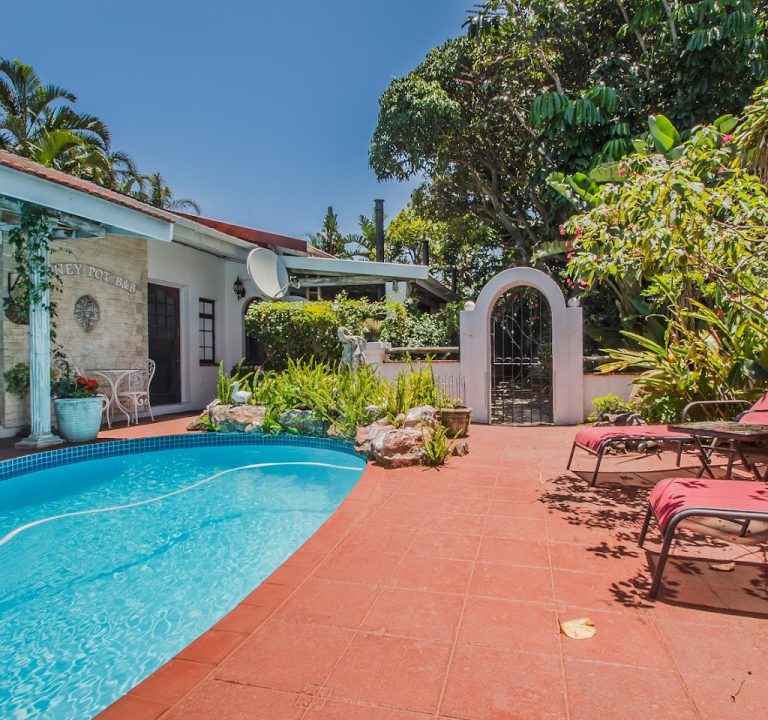
Durban is a city that blends tropical warmth with a cosmopolitan energy, set against the backdrop of the Indian Ocean and the rolling hills of the interior. For visitors, the key to a rewarding stay is choosing the right base and mapping out experiences that suit the sea, the culture, and the easy pace of the city. Accommodation ranges from family‑run guesthouses and stylish lodges to self‑catering apartments and boutique hotels. One option worth considering is Villa Mimosa Umhlanga, a well‑placed lodging choice just a short drive from Durban’s main beaches and the historic precincts of the northern coast. For those seeking a comfortable, locally managed stay with access to the coastline, it is worth exploring the property’s details via its website.
Areas to consider when planning where to stay:
- Umhlanga and the northern coast: Pros include promenade walks, a relaxed atmosphere, modern dining, and easy access to the airport corridor. This area often suits guests who want leisurely beach days plus convenience for day trips.
- Durban North and the beachfront precinct: A blend of family‑friendly beaches, safe swimming zones, and a range of lodging from guesthouses to mid‑range hotels. Proximity to the city buzz without being in the heart of it can be ideal for a balanced stay.
- Musgrave Road and Glenwood: A walkable, leafy neighbourhood with a mix of guesthouses and small hotels, close to shops, markets and cultural venues.
- Wind‑down options near the city centre: For visitors keen to dive into Durban’s markets, museums and nightlife, central hotels offer shorter commutes to attractions and transport links.
What to look for when booking a place to stay:
- Access to beaches or ocean views, especially if you plan long days by the coast.
- Transport connectivity: proximity to major routes, rail or bus hubs, and ease of hiring a car or using rideshare services.
- Security and on‑site facilities: reception hours, gated parking, reliable Wi‑Fi, and flexible check‑in arrangements.
- Self‑catering facilities or nearby dining options, depending on how you prefer to structure meals.
- Character and hospitality: many Durban‑area lodging options offer personalised service and tips on local experiences, adding value to your stay.
Typical amenities you can expect in Durban accommodation:
- Comfortable en‑suite bedrooms or private bathrooms, often with air conditioning and ceiling fans for the humid subtropical climate.
- Common areas such as lounges, outdoor balconies or verandahs to soak up the sea breeze.
- Kitchen facilities or access to a communal kitchen for diy meals, plus a café or breakfast option in many lodgings.
- Secure parking, sometimes with shaded options, and clear guidance on local transport routes.
- Concierge style tips and local maps to help you plan day trips and outings.
Transport and getting around:
Durban’s layout makes it feasible to combine a beach holiday with city sightseeing. If you are staying near the coast, you can enjoy strolls along the promenade and easy access to the beachfront attractions. For longer trips, hiring a vehicle provides flexibility to explore inland sights such as the Valley of a Thousand Hills, or to sample regional cuisines in neighbourhoods away from the tourist hubs. When planning day trips, a combination of early starts and daylight hours will maximise your time, as traffic can be heavier during peak city hours.
Best time to visit and practical tips:
Durban enjoys warm, subtropical conditions for much of the year. Summer (November to March) brings lively beaches and festival atmosphere, but it can be humid and occasionally stormy with tropical showers. Winter months (May to August) are typically milder, often with comfortable beach days and clear skies, though sea breezes can be cooler. The shoulder seasons offer a balance of pleasant weather and thinner crowds. Practical tips include packing light, breathable clothing, sun protection, and a reusable water bottle for day trips. If you plan outdoor activities or long beach days, consider times when higher tides are not likely to disrupt swimming or access to beachfront paths.
What to do and what to eat in a broad sense:
Durban is famed for its seaside atmosphere, with broad beaches, a vibrant markets scene, and a kitchen that draws on coastal and Indian influences. Beyond the shore, you can expect opportunities to explore museums, take nature walks in nearby hills, and enjoy a range of venues that celebrate local crafts and music. Dining options vary from casual eateries to more refined establishments offering sea‑facing views. When selecting restaurants, look for places that clearly reflect Durban’s multicultural flavour, including seafood, curries, and grilled specialties, as well as venues that emphasise fresh, seasonal ingredients.
Suggested planning checklist for travellers:
- Decide on the area that matches your pace—coastal relaxation, city access, or a mix.
- Check for amenities that matter most, such as parking, Wi‑Fi reliability, and kitchen facilities.
- Book accommodation with clear access to transport links or with easy drives to the major sights you intend to visit.
- Plan your days to include a balance of beach time, cultural sights, and a couple of restaurant experiences.
- Verify cancellation policies and flexibility in case plans change.
For those seeking a comfortable base that combines locality with easy access to Durban’s coastline and coastal towns, exploring lodging options such as Villa Mimosa Umhlanga can be a sensible starting point. You can find more information about the property and its offerings at the official site: Villa Mimosa Umhlanga.