Durban, KwaZulu-Natal: accommodation, attractions and practical planning tips
Durban offers a warm welcome with a blend of tropical beaches, leafy suburbs, vibrant markets and a coastline that invites long walks and sea air. When planning a stay, it helps to think about the city as a collection of distinct neighbourhoods, each with its own character and access to different experiences. For a stay that balances comfort, convenience and a touch of local flavour, consider a guesthouse, boutique hotel or self-contained apartment in one of the well-connected areas, and mix in days by the coast with outings into the inland hills and cultural hubs.
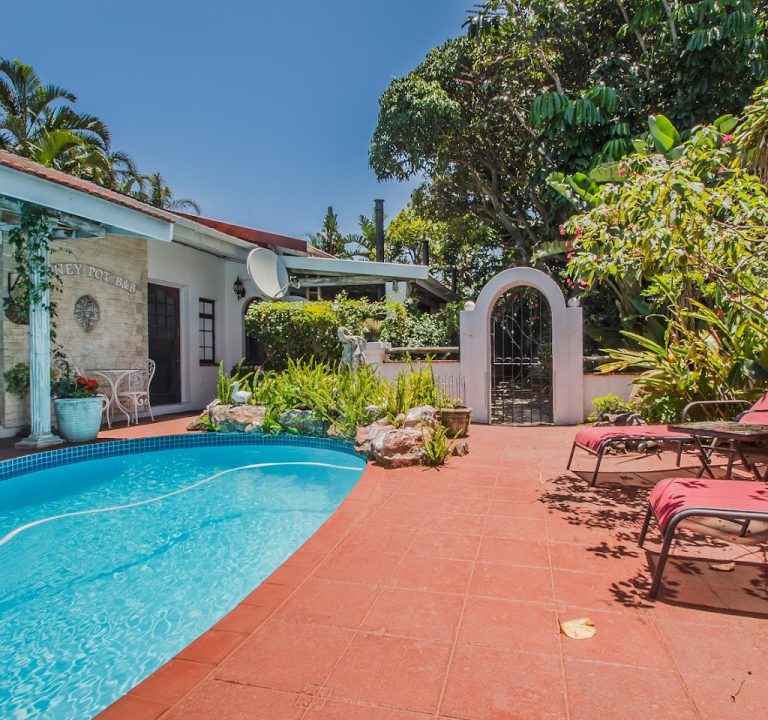
Durban’s lodging scene ranges from intimate guesthouses to larger hotels, with many options offering breakfast inclusions and easy access to the waterfront. A guesthouse such as Honeypot Guesthouse presents a compact, home-from-home stay that can be particularly appealing to travellers seeking personalised service and a quieter base from which to explore. When selecting accommodation, look for a place that offers secure on-site parking if you plan to hire a car, easy access to main roads for quick transfers to central Durban, and a warm, relaxed common area where you can socialise or plan your days. It’s also worth checking whether transport arrangements or location make it easy to stroll to nearby cafés and markets after a day of sightseeing.
Areas to consider for your stay include:
- Durban’s central business district and the Golden Mile along the beachfront—excellent for easy beach access, promenading, and proximity to attractions and restaurants.
- Berea and Morningside—popular for leafy streets, boutique guesthouses, cafes and proximity to cultural sites and parks.
- Umhlanga and Umhlanga Rocks—north of central Durban, known for longer beaches, modern amenities and a more resort-like atmosphere with good transport links to the airport and other coastal towns.
- Durban North and Glenwood—quieter residential pockets with charming guesthouses, gardens and easy access to hilltops and scenic views.
- tillegg inland options in the Hills area or Kloof for a cool climate, hiking trails and a different pace, if you’re seeking a day trip away from the coast.
Key amenities to look for when booking include secure parking, reliable heating or cooling, comfortable bedding, sufficient privacy, decent soundproofing, and transparent cancellation policies. If you’re travelling in peak season, confirm whether breakfast or other meals are provided, and whether the property can assist with arranging airport transfers or guided tours. Some properties will offer flexible check-in arrangements and local recommendations that can save you time and help you discover less-touristed corners of the city.
Practical planning tips for a Durban stay:
- Transport: Durban’s road network and coastal routes are navigable by car, but during peak hours the central area and coastal corridors can become congested. If you’re not driving, choosing a stay near the MyCiTi bus routes or within walking distance of dining and beaches can reduce travel time.
- Best time to visit: Durban enjoys a subtropical climate with hot summers and mild winters. Beach-going and outdoor activities are most pleasant from late spring to early autumn (roughly September to April), while winter (May to August) is cooler and drier, suitable for city sightseeing and short hill hikes.
- Weather-aware packing: light cottons and sun care for the hot months, a light layer for sea breezes and cooler evenings, and a compact rain jacket for summer showers.
- Safety and etiquette: stay in well-reviewed neighbourhoods, keep valuables secure, and use reputable taxi or rideshare services for late-evening outings. Dining and nightlife venues are broader in central and coastal areas, but some quieter pockets provide a relaxed atmosphere for daytime visits.
- Food and dining: Durban’s cuisine reflects its diverse heritage, with ample opportunities to sample South African favourites, seafood by the coast, and mixed-heritage meals in modern venues. When planning meals, you can explore a mix of casual cafes, market stalls and family-friendly restaurants, many of which post menus online.
- Experiences and day trips: beyond the sandy beaches, consider outings to botanical gardens, nature reserves, and cultural centres. A coastal walk along the promenade can be alongside surfers, families and local vendors, while inland hills offer elevated views and wildlife glimpses in protected landscapes.
For those seeking a convenient base with a touch of character, Honeypot Guesthouse offers a quiet, homely option with easy access to Durban’s beaches and central sights. It can be a comfortable gateway to the city’s mix of urban energy and relaxed coastal charm. More information and booking options can be found at the property’s website: https://honeypot-guesthouse.business.site/
Durban’s attractions span the iconic to the intimate. Visitors typically enjoy a stroll along the Golden Mile, a visit to aquatic life attractions, and exploring markets and craft stalls that capture the city’s vibrant, multicultural vibe. The surrounding region offers scenic countryside and viewpoints that pair well with a stay by the sea. Whether you’re visiting for beach days, family-friendly activities, or a relaxed base to explore KwaZulu-Natal, Durban can deliver a balanced itinerary of rest and discovery.