Durban: Accommodation planning, stays, and a taste of KwaZulu-Natal
Durban offers a vibrant mix of coastline, cultural heritage and tropical subtleties, making it a popular destination for travellers seeking warmth, friendly hospitality and easy access to South Africa’s eastern coastline. When planning a stay, think about which neighbourhood will best match your pace and interests, from beachside precincts to leafy residential suburbs. Durban’s accommodation ranges from seaside guesthouses and boutique hotels to self‑catering flats and well‑appointed lodges, so you can pick options that suit a city break, family holiday or business stopover.
Areas to consider include the stretch along the Golden Mile and the Point where the sea views are immediate and convenient for strolls along the promenade. If you want a more relaxed, residential feel with easy access to shops and cafes, consider neighbourhoods a short drive from the beachfront. For those who prioritise dining, nightlife and a cosmopolitan atmosphere, central districts and coastal townships offer a mix of modern stays and traditional guesthouses, with a touch of Durban’s distinctive cultural flavour.
When choosing where to stay, look for a few key features. Proximity to public transport or easy taxi/hail‑and‑ride access can save time on arrival and day trips. A reliable internet connection is essential for planning days out, especially if you’ll be organising guided tours or researching eateries on the go. A balanced mix of private space and communal areas—such as a comfortable lounge, garden or courtyard—can enhance your stay, particularly if you’re travelling with others. Seasonal comforts matter too: robust air conditioning for hot summers, warm interiors for cooler evenings, and strong security in the neighbourhood. If you prefer self‑contained comfort, check that kitchens or kitchenette facilities are well equipped for easy meals between excursions.
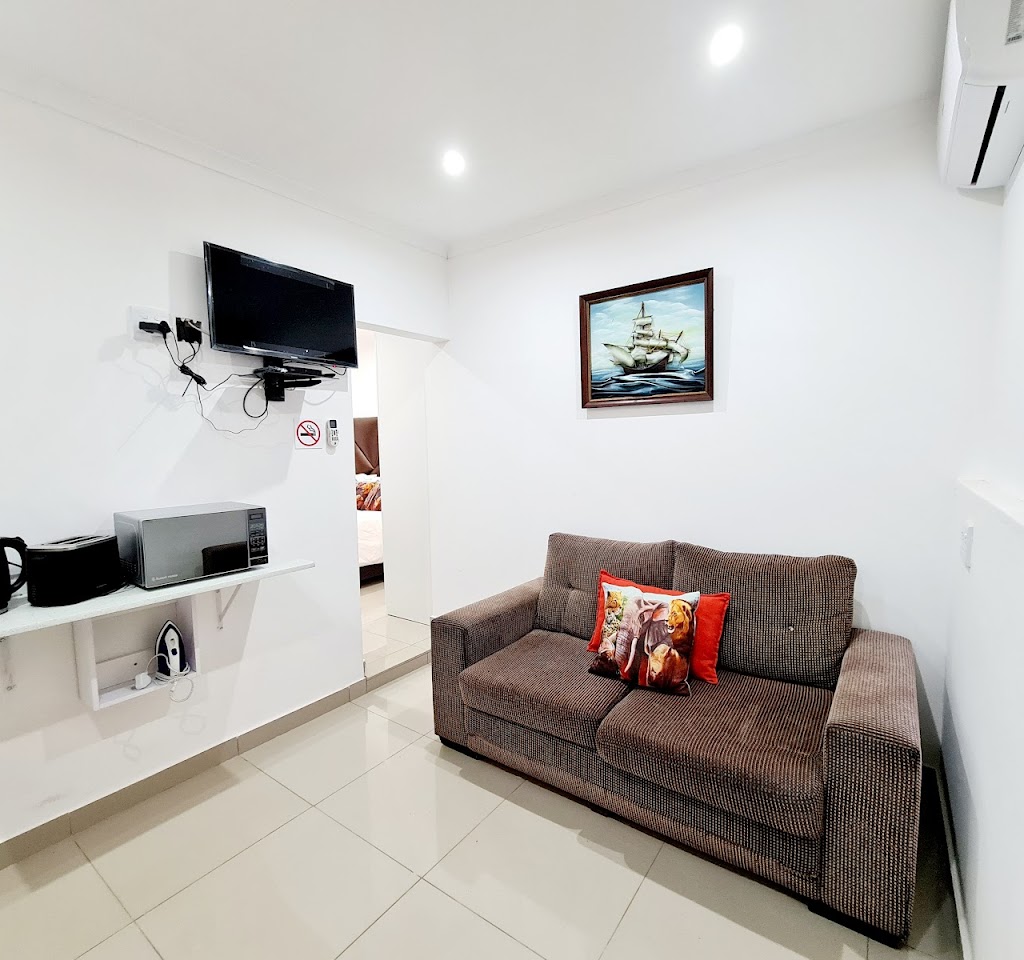
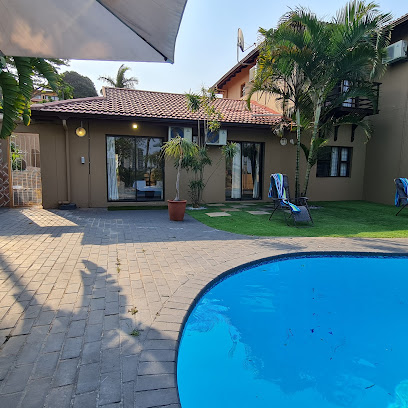
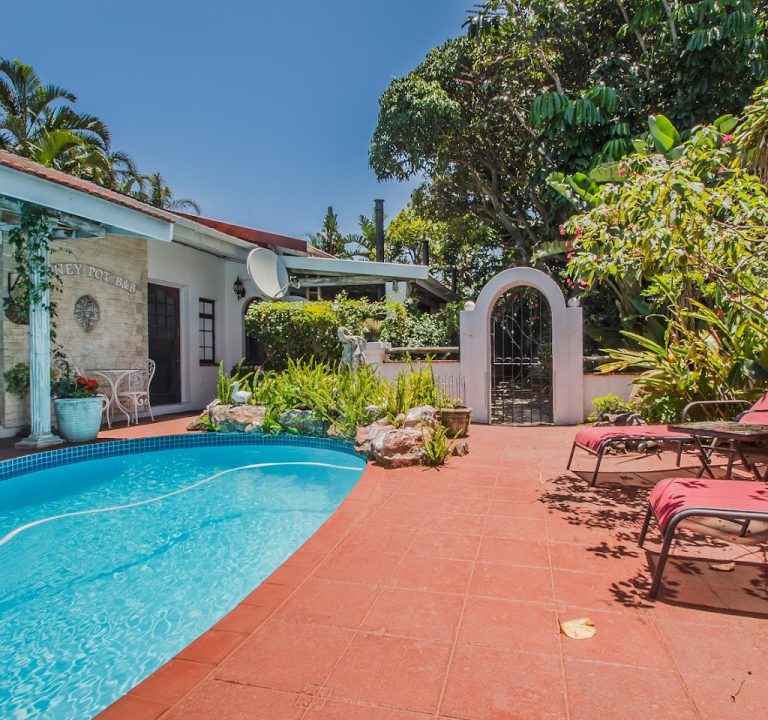
Typical amenities across Durban’s hospitality options include en‑suite bathrooms, comfortable bedding, daily housekeeping where offered, and access to well‑positioned dining areas or shared kitchens. A few properties also provide shaded outdoor spaces, pool facilities or proximity to a small garden, which can be especially welcome during sunny days by the Indian Ocean. If you’re staying near the coast, consider properties with reliable on‑site parking or secure access, as well as easy access to a lift or ground‑floor options if stairs are challenging. For longer stays, a residence with laundry facilities can be a practical bonus.
Transport in Durban is straightforward but strategies differ by area. If you’re staying by the coast, walking is pleasant for short hops along the promenade to beaches, markets and cafés. For wider explorations, taxis or ridesharing services are convenient, and a car provides flexibility to visit surrounding towns and inland attractions. Some districts offer good bus routes or proximity to rail links, but schedules can vary. It’s wise to confirm access to parking if you’re bringing a vehicle, and to ask your host or the reception about the best times to travel to avoid peak traffic. When planning day trips, think about combining a coastal morning with a inland excursion to savour both beach life and the region’s natural scenery.
The best time to visit Durban generally aligns with its warm subtropical climate. Summers are hot and humid with afternoon thundershowers becoming more common, while winters are mild and dry. If you’re keen on beach days, late spring to early autumn offers the most reliable sunshine, though shoulder seasons can be pleasantly quiet and more affordable. December to January is peak season in many coastal destinations, so plan ahead for accommodation and dining reservations. Shoulder seasons near autumn and early spring can offer a good balance of pleasant weather and lower prices.
Practical planning tips:
- Book in advance for popular coastal periods, especially if travelling with family or a larger group.
- Check if your lodging offers self‑catering facilities or on‑site dining options to suit your daily schedule.
- Ask about late check‑in arrangements if your travel times are unconventional.
- Explore a mix of areas to balance beach days with cultural experiences and shopping trips.
- Research a few nearby restaurants and markets to maximise your time; many venues offer menus that reflect coastal and regional flavours.
Durban’s attractions blend sun and sea with culture. Expect to find expansive beaches, informal markets and a coastal harbour area with parks and promenades. Museums, art galleries and craft centres can offer insights into local history and contemporary creative life. Dining reflects coastal produce, with influences from Indian and African cuisines shaping a diverse culinary scene. For visitors who want a friendly, walkable base, a stay in a well‑located guesthouse or boutique hotel can leave more time for exploration rather than logistics.
One example of accommodation options you may encounter is a guesthouse with a straightforward, hospitable service model and a central location. You can learn more about such options and plan a stay by browsing the property’s official site, which often includes nearby attractions, suggested day trips and a practical guide to local transport. For inspiration and further details, you may also explore Durban’s broader visitor information and regional travel guides online.
Whether you’re after a breezy beach break, a cultural city escape or a gateway to the KwaZulu‑Natal coast, Durban accommodates a range of preferences with welcoming hospitality and convenient access to the region’s natural beauty and culinary offerings. A well‑chosen base, paired with thoughtful planning and flexible day trips, can help you make the most of your Durban stay.
Oyster Guest House, a Durban option noted for its accessibility and guest‑friendly approach, provides a sample of the sort of stay you might encounter while exploring the city. For more information, visit their website at http://www.oysterguesthouse.org/.