Durban, KwaZulu-Natal: Accommodation, Attractions and Practical Planning
Durban offers a heady mix of coastal charm, subtropical greenery and a buzzing urban scene. When planning a stay, it helps to think about what you want from your trip: beach access, easy transport links, vibrant eateries, or quieter, leafy neighbourhoods. Durban is well served by a range of accommodation types—from boutique guesthouses in historic districts to modern apartment hotels near the riverfront and coastal suburbs. The city’s climate is warm most of the year, with the best beach weather typically from late spring to early autumn, though you’ll find comfortable conditions for most of the calendar if you choose indoor activities for the hotter months.
Areas to consider include the Golden Mile and the beachfront precinct, which tend to be lively and close to sand and surf, as well as the central business district, which offers convenient access to markets, museums and cultural venues. For a more relaxed atmosphere, residential neighbourhoods a short drive from the coast provide a calmer base, often with leafy streets and smaller guesthouses or self-catering options. If you’re after an upmarket experience with high-end amenities, the northern coast around popular coastal villages and resort-style complexes can be ideal. When choosing a place to stay, consider proximity to your planned activities, ease of access to major highways or rail links, and whether you’ll rely on taxis or ride-hailing services for evening outings.
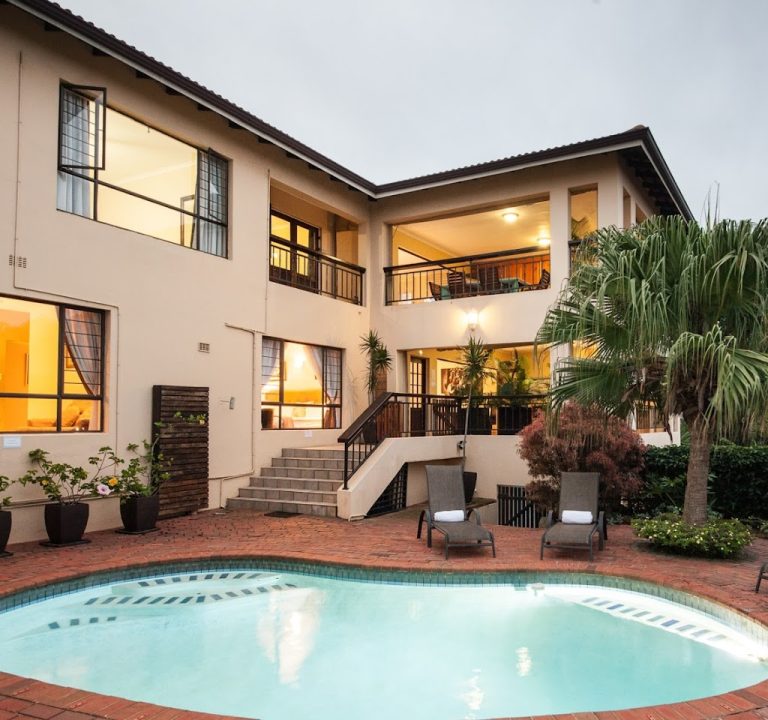
Typical accommodation features you might encounter include en-suite bathrooms, air conditioning or ceiling fans, Wi‑Fi, safe parking, and on-site dining or snack facilities. Some properties offer self-catering kitchens or communal kitchens, which can be convenient for families or longer durations. If you value a social atmosphere, a smaller guesthouse with a friendly desk service and local recommendations can be a real asset. For business travellers, look for reliable workspaces, quiet rooms, and easy access to business districts or conference venues. In peak seasons, it’s wise to book well in advance, particularly if you want a sea-view room or a prime location near public transport hubs.
Transport in Durban is well tuned to travellers. The city has a network of bus routes, and many areas are serviced by taxis and ride-hailing apps. If you plan to explore widely, you might enjoy day trips to nearby natural reserves or coastal towns, so consider a base with good road links or near a main arterial route. For those who prefer not to drive, many accommodation providers can assist with airport transfers or local shuttle options. If you’ll be visiting with luggage or equipment, check whether the property offers secure storage or easy elevator access. A compact map or a reliable offline city guide can be handy for walking routes along the coast or through historic quarters.
Best time to visit Durban depends on your priorities. If you want sunbathing and swimming, the warmer months are ideal, but keep in mind that peak tourist periods can be busier and more expensive. For cultural experiences, Durban’s museums, galleries and markets operate year-round, with seasonal events and festivals enriching visits. Outdoor markets and street food can be particularly appealing in the cooler late afternoons and early evenings. If you have flexibility, consider shoulder seasons when accommodation rates may be more favourable and city attractions are less crowded while the weather remains pleasant.
Plan practical daily routines to make the most of your stay. A typical day might begin with a morning stroll along the promenade, followed by a cafe breakfast and a visit to a waterfront park or market. Midday activities could include a cultural venue or a guided neighbourhood walk, with lunch at a casual restaurant offering regional flavours. In the afternoon, a beach break or a park visit can be ideal, then an evening meal at a restaurant near your accommodation. If you’re exploring beyond the city, set aside a day for a coastal drive or a nature reserve excursion. Always have a rough budget in mind and leave some flexibility for spontaneous discoveries, like a pop-up event or a seasonal dining pop-up.
- Areas to consider: beachfront zones for convenience, central districts for accessibility, quieter residential streets for a more relaxed stay.
- Booking considerations: location relative to activities, transport options, included amenities, and seasonal pricing.
- Amenities to look for: Wi‑Fi reliability, air conditioning, parking, on-site dining or self-catering facilities, and late check-in options.
- Transport tips: use ride-hailing apps for evenings, check proximity to main roads and public transport routes, and anticipate traffic during peak hours.
- Practical planning: book ahead for popular periods, balance sun exposure with shade and water breaks, and keep a flexible plan for weather or events.
For inspiration and planning, consider visiting Durban’s official tourism pages and reputable travel resources that outline general areas, transport options and practical visitor tips. While specific venues, prices and awards can change, the city’s hospitality sector generally strives to offer welcoming stays, comfortable amenities, and easy access to its beaches, parks, markets and cultural sites. A well-chosen base in Durban can make it easy to enjoy long coastal walks, refreshingly tropical landscapes, and a rich mix of dining and cultural experiences that showcase KwaZulu-Natal’s hospitality.