Durban: Where to stay, what to do, and how to plan a memorable visit
Durban, on the east coast of KwaZulu-Natal, offers a vibrant blend of subtropical beaches, cultural heritage, and a dynamic dining scene. Whether you are seeking a tranquil beach escape, a stylish city break, or a family-friendly base from which to explore the region, Durban’s accommodation options cater to a wide range of preferences and budgets. From cosy bed & breakfasts to contemporary boutique hotels and characterful guesthouses, planning a stay around the city’s distinct neighbourhoods will help you get the most from your trip.
Midway between the bustle of central Durban and the rolling coastline, the Victoria Embankment, the Golden Mile, and adjacent beachfront areas provide a compact hub for stays that prioritise easy access to beaches and seafront promenades. If you prefer a calmer, more residential vibe, consider the leafy suburbs a short drive away, where guesthouses and boutique hotels offer a restful base with local charm and often easy parking. For those seeking urban convenience near museums, markets, and a lively dining scene, the central business district and nearby Morningside or Umbilo offer a different pace with good transport links.
When selecting accommodation, consider how you plan to use your days. If long beach walks and sunset swells are on the agenda, an accommodation along the coast will save time and maximise your beach hours. For cultural immersion and easy access to markets, galleries, and cafés, a central or inner-city stay can be ideal. Look for properties that offer secure parking if you’re driving, or easy access to taxi or rideshare options for evenings out. Many guesthouses and smaller hotels prioritise a personal, hospitable approach, with staff who can tailor local recommendations to your interests, whether you crave wildlife, history, or a scoop of Durban’s famous Indian-influenced cuisine.
Typical amenities across Durban’s guesthouses and boutique hotels include en-suite rooms, free Wi‑Fi, air conditioning or ceiling fans, daily housekeeping, and in some cases breakfast provisions or a small on-site café. A number of properties also offer guest lounges, outdoor seating, and garden spaces that invite a relaxed, home-from-home atmosphere. If you are planning a longer stay or visiting with family, look for family rooms, larger suites, or the option of self-catering facilities. For travellers who value sustainability, ask about water-saver features, recycling, and energy-efficient practices when booking.
Transport in Durban is relatively straightforward. The sandy coastline is friendly to pedestrians and cyclists in many areas, and rideshare services are widely available. If you plan to explore beyond the beachfront, a car offers the greatest flexibility, but be aware that some central streets can be busy and parking may be limited in peak periods. Bus and minibus taxi routes exist but can be crowded and irregular; a hotel or guesthouse that can arrange trusted local transport or provide clear directions can be very helpful. If you’re staying near the famed Golden Mile, you’ll enjoy easy beach access and a range of casual eateries, while staying inland may give you quicker access to shopping centres, markets, and cultural venues.
The best time to visit Durban is linked to the climate. The city enjoys a subtropical climate, with warm, humid summers and mild winters. Winter (May to August) brings comfortable daytime temperatures for city sightseeing, while summer calendar months are excellent for beach days and outdoor markets, though you should be prepared for humidity and afternoon thundershowers. If you’re chasing coastal wildlife or green spaces, plan a visit during spring or autumn when crowds tend to be lighter and the weather is generally pleasant for outdoor activities.
Planning practical details in advance will help you make the most of your Durban stay. If you are choosing a guesthouse or bed & breakfast, consider the breakfast options and whether the host can accommodate dietary needs. Read guest reviews to gauge guesthouse ambience and the responsiveness of the hosts. Proximity to your interests—whether it is the Beachfront, the Indian Quarter, the Umhlanga area, or the countryside beyond the city—will influence your daily itinerary and transport choices. For longer visits, balance days on the coast with trips inland to the Valley of a Thousand Hills, the countryside, or nearby nature reserves for a broader KwaZulu-Natal experience.
Helpful tips for a smooth trip:
- Prioritise a comfortable bed and a quiet room if you plan early starts or long days of exploring.
- Choose a property with secure parking or clear access to reliable transport links.
- Ask about breakfast timing, dietary options, and any on-site dining facilities if you prefer to start days with a hearty meal.
- Check whether the guesthouse or hotel can arrange guided tours or provide tailored recommendations for local experiences and restaurants.
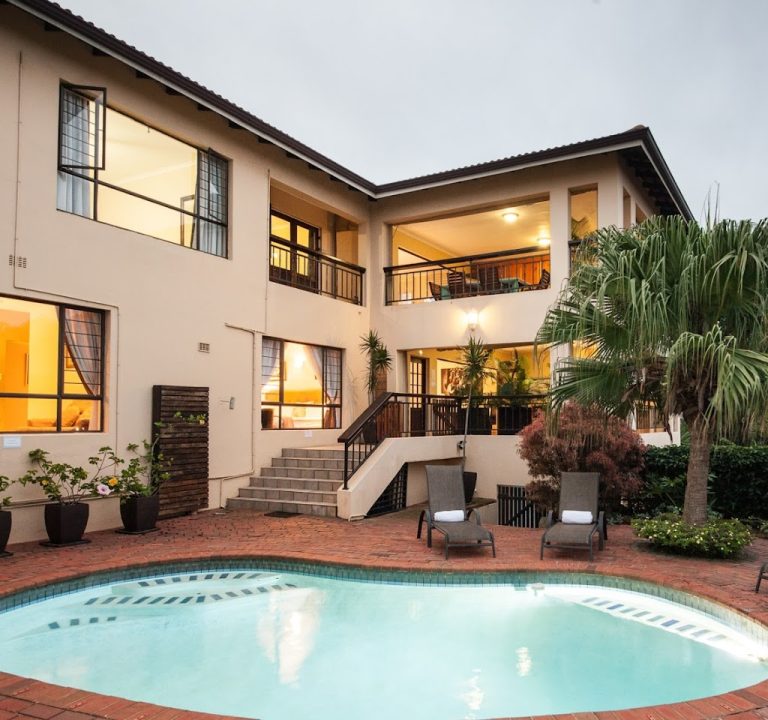
A good example of Durban’s welcoming accommodation landscape is Lavender Moon Guest House, a bed & breakfast highlighted for its homely atmosphere and proximity to a range of visitor experiences. Visitors can explore Durban’s coastal charm, sample diverse cuisines, and use the guesthouse as a peaceful base while they discover the city. For more information, you can visit the property’s website at Lavender Moon Guest House.
Durban’s attractions and experiences are best enjoyed with a flexible plan. Start with a gentle walk along the beachfront, then explore the Indian Quarter for its colours, markets, and historic architecture. Consider a coastal drive or a short day trip to nearby natural areas or game reserves for a different perspective on KwaZulu-Natal. With a thoughtful choice of accommodation, reachable transport, and a balanced itinerary, Durban offers a warm, memorable welcome and a satisfying blend of sea, culture, and cuisine that suits a wide range of travellers.