Durban: stay, savour and explore in KwaZulu-Natal
Durban sits on the east coast of South Africa, where golden beaches meet a vibrant mix of cultures, markets and colonial-era architecture. A well-placed stay can anchor your exploration of the city and the wider KwaZulu-Natal coast, whether you favour restful seaside mornings, lively urban streets, or nature-rich day trips. When planning a visit, consider the different neighbourhoods and the kinds of experiences they offer, so you can tailor your accommodation to your plans and pace.
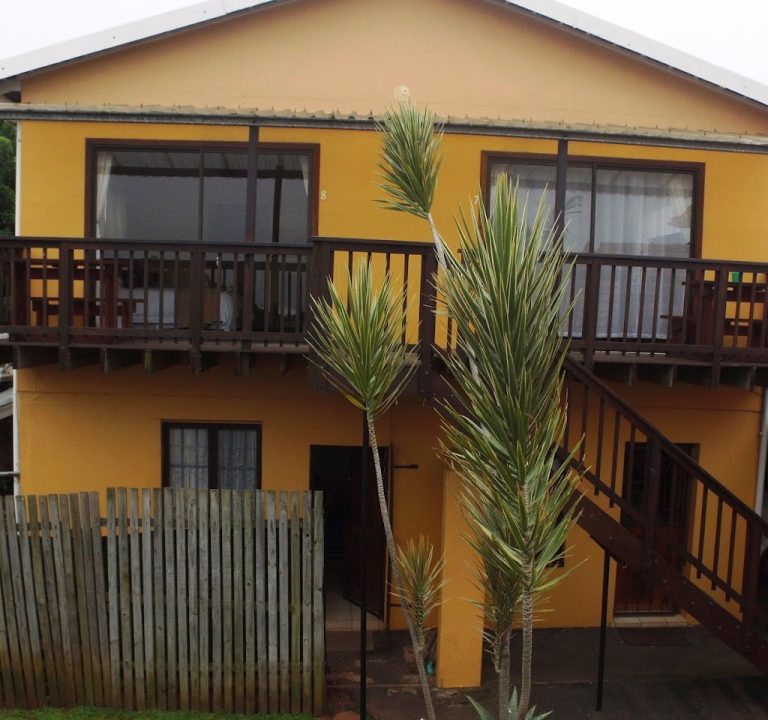
Accommodation choices in Durban range from guest houses and boutique B&Bs to contemporary hotels and self-catering apartments. A guest house like Villa Coco Guest House can provide a friendly, homely environment with a personalised touch. Look for clear proximity to the attractions you want to see, comfortable rooms, secure parking if you’re driving, reliable Wi‑Fi, and a breakfast option if you’d like a morning start without extra planning. If you’re travelling with family or a group, some properties offer larger suites or private patios, while solo travellers may prefer a central hub with easy access to transport links and dining options.
Areas to consider include:
- Durban Central and the Golden Mile for easy access to beaches, promenade walks, and a cluster of restaurants and bars
- Umhlanga Rocks, a short drive north, with a modern shoreline promenade, boutiques and a range of dining venues
- Morningside and Greyville for a blend of convenient city access and leafy streets near parks and cafés
- Durban North or the scenic valleys around Umgeni River for quieter stays with good access to nature trails
When booking, consider visibility and safety of the area after dark, parking options, and whether the property offers transport assistance or easy access to public transport. Durban’s MyCiTi bus network and commuter rail can help you move between key sites, while taxis or ride-hailing services are widely available. If you’re renting a car, check on-site parking availability, secure gates, and the convenience of local supermarkets and eateries nearby.
Typical amenities to look for include air conditioning or fans for the subtropical climate, a reliable hot shower, decent soundproofing, and clear cleaning standards. A well-run guest house will offer welcoming communal spaces, information about local walks and markets, and practical tips on navigating Durban’s diverse neighbourhoods. Breakfast options vary; some places provide a full cooked breakfast, others offer continental selections or café-style service. Free Wi‑Fi is useful for planning day trips and checking weather forecasts for an oceanfront dawn or a cloudier inland excursion.
Durban’s climate is characterised by warm, wet summers and milder, drier winters. The best time to visit for beach days is late spring through early autumn, though summer can be humid. Winter (June to August) is typically mild and a good time to enjoy city sights with smaller crowds. If you’re chasing outdoor activities, plan around occasional rain in the shoulder months and always have a light layer for cooler evenings near the coast.
Getting around is straightforward, but a little planning helps. The beachfront, including the Golden Mile, is pedestrian-friendly and pleasant for strolling, especially in the cooler mornings. Public transport is budget-friendly, though it can be slower during peak hours. If you’re staying in the central or southern parts of the city, you’ll often be within a short taxi ride or bus hop from major attractions, markets, and restaurants. For day trips, a car gives you flexibility to explore inland valleys, nature reserves and coastal towns along the Natal North Coast.
Attractions span the leafy Durban Botanic Garden, coastal promenades, and cultural venues, with family-friendly options and gardens or nature reserves a short drive away. The coast offers opportunities for swimming, surf lessons, or simply absorbing the atmosphere of seaside drinking spots and eateries along the promenade. In nearby suburbs and hills, you can find viewpoints, markets, and village-like communities with crafts and bite-sized culinary experiences. In general terms, you’ll be looking for places that offer a mix of outdoor space, easy access to the beach or parks, and friendly local information desks or hosts who can point you to hidden gems.
Sample stay-planning tips:
- Choose a base with easy access to the beaches and a short hop to the city’s dining districts.
- Check whether breakfast is included or if there are nearby cafés with reliable options.
- Ask about parking, security, and the availability of luggage storage if you’re arriving before check-in or departing late.
- Request information on day trips—from coastal towns to inland valleys—and recommended seasons for each activity.
- Read guest reviews for practical notes about noise levels, housekeeping, and the responsiveness of hosts.
For a practical example of Durban hospitality, consider Villa Coco Guest House, a guest-house style option that offers a comfortable base with helpful local insights. You can explore the property’s details and booking information at its website: Villa Coco Guest House.
Durban’s cuisine is as colourful as its neighbourhoods, ranging from seafood-focused eateries along the coast to bustling markets and modern bistros inland. Rather than single-out a single dish or venue, approach meals as a part of your day—from a casual breakfast in a friendly café before a market stroll, to a seafood lunch by the sea, and an evening meal in a district known for its diverse dining options. By pairing thoughtful accommodation with well-timed activities, you can enjoy a balanced Durban stay that suits your pace, budget and interests.