Durban: where to stay, what to do and how to plan a great visit
Durban, a vibrant coastal city in KwaZulu-Natal, blends subtropical beaches with rich cultural diversity, forested hills and a lively culinary scene. Whether you are travelling on a budget or seeking more comfort, there are plenty of accommodation options to suit different styles and lengths of stay. From buzzy beachfront hostels to characterful guesthouses and contemporary hotels, Durban offers locations that can place you within easy reach of the city’s major attractions, dining hubs and transport links.
When planning a stay, consider the neighbourhoods that best fit your interests and pace. The Golden Mile and beachfront districts are ideal for walking, easy access to the coast, surf beaches and a string of casual eateries. For a more local feel with hillside scenery and a quieter ambience, look to the suburban pockets of Morningside, Ridgeview or for a shorter drive, nearby rural-looking landscapes such as the Valley of 1,000 Hills. If you want a blend of urban convenience and cultural immersion, the central business district and surrounding neighbourhoods offer heritage sites, markets and closer proximity to some of Durban’s historic sites.
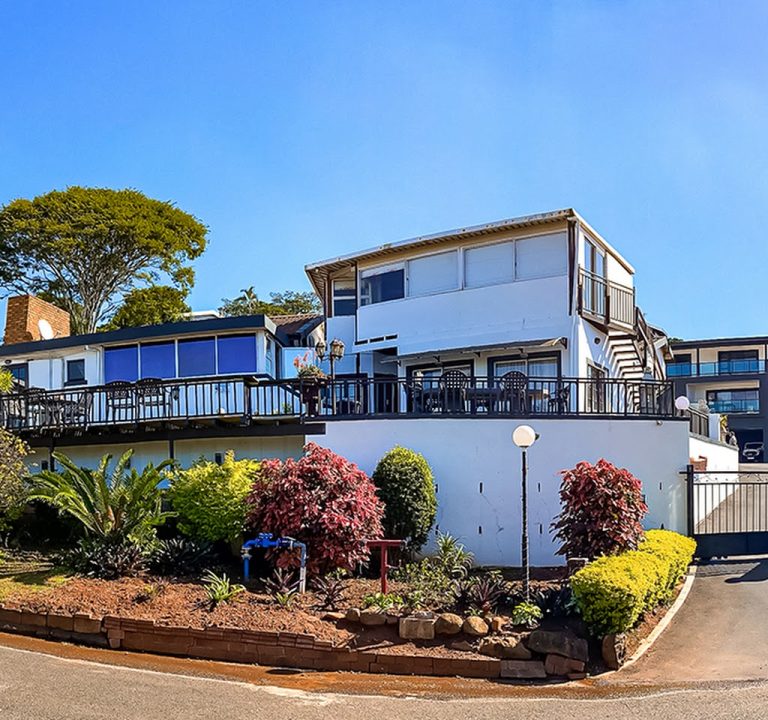
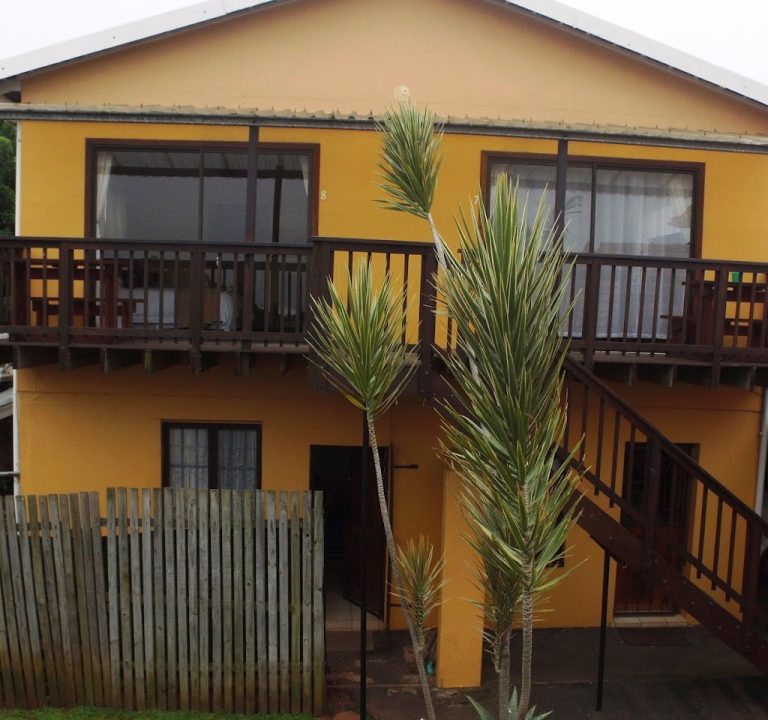
Key things to look for when booking accommodation include safety and security features, access to reliable transport links, and current guest reviews that reflect cleanliness and service. In Durban, many properties advertise a short walk or easy taxi, ride-hailing or cycle routes to the beach, waterfront promenade or popular eateries. For longer stays or a social atmosphere, consider bedding down at hostels or guesthouses that organise occasional communal meals or activities. While a standout property might promise luxury, a well-presented guesthouse with friendly staff and a central position can deliver excellent value and a more intimate experience of Durban life.
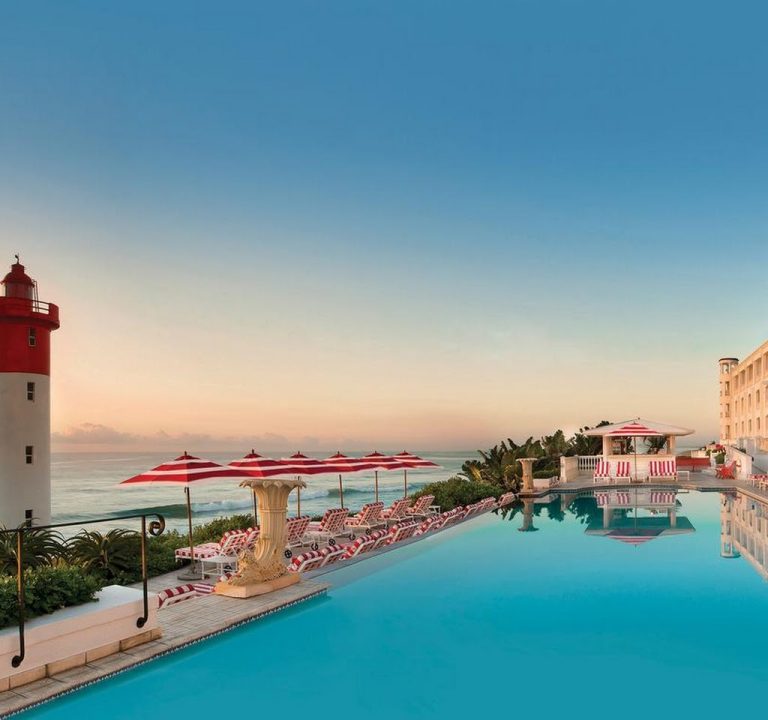
Typical amenities you might expect include free WiFi, secure parking or easy access to public transport, self-catering facilities or a kitchenette, and options for breakfast or light meals. Pools, shaded courtyards, and communal lounges are common in guesthouses and mid-range hotels, offering a relaxed space to unwind after a day of sightseeing. For families or longer visits, a unit with separate bedrooms and a well-equipped kitchen can be particularly convenient. If you are visiting with luggage or planning day trips, check whether the property offers on-site storage or a refundable cancellation policy in case plans shift.
Transport around Durban is relatively straightforward, with a mix of road, rail and bus options. The city centre is connected by taxis and ride-hailing services, while the beachfront areas are highly walkable and bike-friendly in pleasant weather. If you plan to explore beyond the immediate coast, a rental car provides flexibility to visit inland attractions such as the surrounding hills and reserves. For longer days out, many tours and experiences pick up from central locations or major hotels, so consider staying within a short drive of your chosen day trip departure point.
The best time to visit Durban is typically during the dry, cooler months of May to September, when rainfall is lower and comfort levels are higher for outdoor activities. The summer period (roughly October to April) can bring heat and humidity with afternoon showers, but it also brings a lush landscape and lively beach culture. If you’re chasing cultural events or food markets, check local calendars in advance, as Durban hosts a range of markets, music and culinary happenings throughout the year.
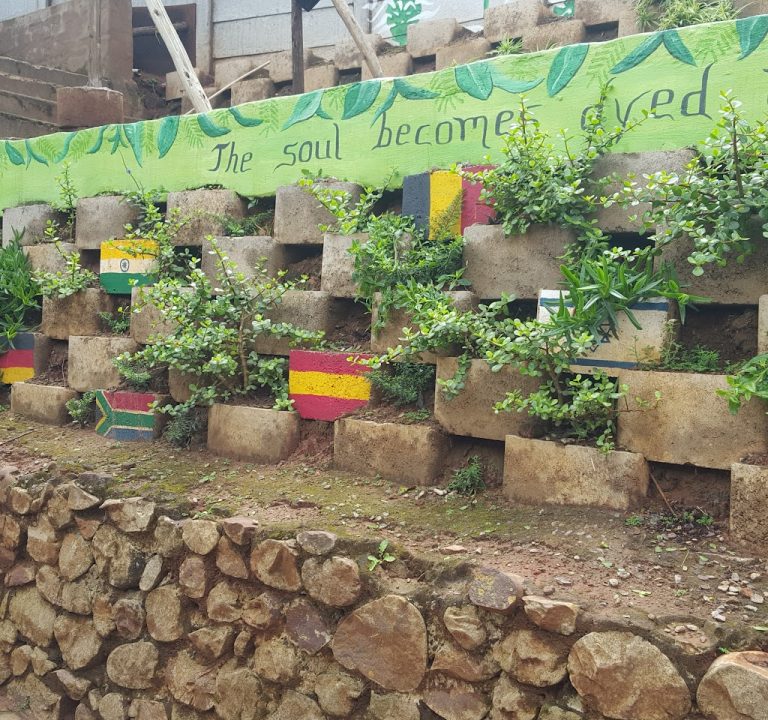
For accommodation with a social or budget-friendly angle, there are options that emphasise a communal atmosphere. A property such as a hostel with shared facilities or a collectiveliving concept can be a practical base for meeting other travellers, trading tips on hidden restaurants and planning joint day trips. One example to explore in this category is a hostel with a name linked to a distinctive, laid-back vibe and a central location. This kind of stay often provides simple, clean rooms, common areas for socialising, and easy access to the city’s core sights while keeping costs reasonable.
Durban’s attractions are wonderfully varied. Days can be spent along the sandy beaches and the colourful promenade, visiting indoor and outdoor markets for crafts and street food, or exploring cultural centres that celebrate Zulu heritage and regional music. For families and divers, a visit to the waterfront precinct offers educational and recreational experiences suitable for all ages. Foodies can sample a spectrum of cuisines, from coastal seafood to Durban’s famous peri-peri flavours and international options, typically found in bustling avenues near the shore and in modern dining precincts.
When booking, it helps to plan around a few practical details: confirm check-in times and whether late arrivals are accommodated, understand the cancellation policy, and verify what is included in the rate (breakfast, parking, access to facilities). If you’re travelling by public transport or planning day trips, map out a sensible route from your base to the beaches, markets, and the main cultural areas. Last but not least, respect local customs and keep an eye on personal safety, especially in brightly lit areas after dark and in nightlife zones—plan ahead for transport back to your accommodation.
- Areas to consider: beachfront districts for easy sea access; central Durban for culture and convenience; hillside suburbs for views and a quieter stay.
- What to look for: location relative to your planned days, transport access, safety features, cleanliness and responsive hosts or staff.
- Practical tips: check cancellation policies, confirm if breakfast or self-catering facilities are available, and consider a stay with flexible arrival times if you plan late flights or transfers.