Durban: Accommodation, Attractions and Practical Tips for a Comfortable Stay
Durban, located on the east coast of KwaZulu-Natal, blends subtropical climate, Indian Ocean beaches and a vibrant cultural scene. When planning a stay, many visitors look for a balance between seaside convenience, easy access to major sights and a welcoming stay that feels like a home from home. Durban offers a range of accommodation options from family-run B&Bs to boutique guesthouses and modern hotels, each with its own character and level of hospitality.
Areas to consider when booking include the Golden Mile and beachfront precincts, which are ideal for those who want to be within easy reach of the sea and the lively promenade. Mornings can start with a stroll along the beach, followed by a relaxed breakfast at a local café. For a quieter atmosphere with easy access to parks and leafy streets, consider the central city areas or the historic residential suburbs. If you’re aiming for longer stays or business meetings, a comfortable B&B with a conference space can provide a convenient base, often with personalised service and a generous helping of local knowledge.
When choosing accommodation, think about what matters most to you: proximity to the beach, parking facilities, in-room amenities, or on-site dining. Many properties in Durban offer en-suite rooms, free Wi-Fi, air conditioning for the warm months, and secure parking. For travellers who value hospitality and a personal touch, a family-run bed and breakfast or guesthouse can be especially appealing, as hosts often share tips on hidden gems, markets and day trips.
Typical amenities to look for include generous breakfast options (a staple for Durban stays), a comfortable lounge or dining area, and well-equipped rooms with fans or air conditioning. Some properties may offer self-catering facilities or the option to book a conference room for meetings or small events. Consider whether you’d like assistance with airport or station transfers, excursion bookings, or restaurant reservations, as many smaller establishments can arrange this on request.
Transport-wise, Durban has a mix of private vehicles, taxis and ride-hailing services. If you plan to explore beyond the central beaches, a car can be the most flexible option, though many areas are walker-friendly and well served by local taxis. The city also has a growing network of bus and rail links to neighbouring towns, so a day trip to a nearby coastal town or inland reserve is feasible if you prefer not to drive. Ask your host or accommodation front desk about the best routes and travel times, especially during peak periods.
Best time to visit Durban generally aligns with its warm, subtropical climate. Spring and autumn (September to November and March to May) offer pleasant temperatures and less humidity. Winter months are mild by many standards, though evenings can be cooler. If you’re visiting for beach days, summer provides the longest stretches of sun, but be prepared for the possibility of afternoon showers. Off-peak periods can offer better value and a quieter experience, particularly in the shoulder seasons.
Practical tips for a smooth stay in Durban:
- Book in advance for popular stretches of the beachfront, especially during school holidays and long weekends.
- Check whether your accommodation has air conditioning or fans to stay comfortable in warmer months.
- Ask about on-site parking and security arrangements if you’re driving.
- Request local dining recommendations to sample both well-known spots and hidden gems.
- Inquire about accessibility and convenience if you’re travelling with luggage or mobility needs.
Durban’s dining and cultural scene is diverse, with influences from Indian and Zulu cuisines, as well as fresh seafood and modern eateries. While this article does not list specific venues by name, guests should anticipate a mix of casual eateries, family-run diners and contemporary restaurants within easy reach of most central and beachfront accommodation. For a themed stay, some establishments also offer communal dining spaces or offer guidance on nearby markets and street food hubs, where the atmosphere is as much about the experience as the meal itself.
Nearby attractions and activities tend to cluster around the beachfront, the harbour area, and the city’s cultural precincts. A stay near major avenues provides convenient access to scenic walks along the coast, splendid views from elevated viewpoints, and opportunities to explore local markets, crafts, and galleries. Nature lovers can enjoy protected coastal areas and parks, while families might prefer gentle activities suitable for all ages. Many attractions operate on a day-to-day basis, subject to weather and seasonal events, so it’s wise to check opening times in advance and plan a relaxed itinerary with room for spontaneous discoveries.
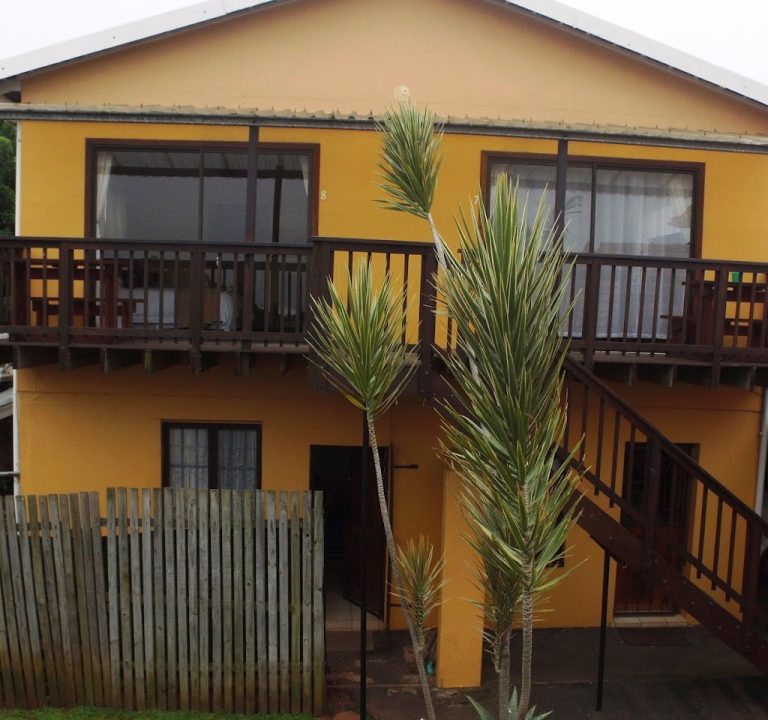
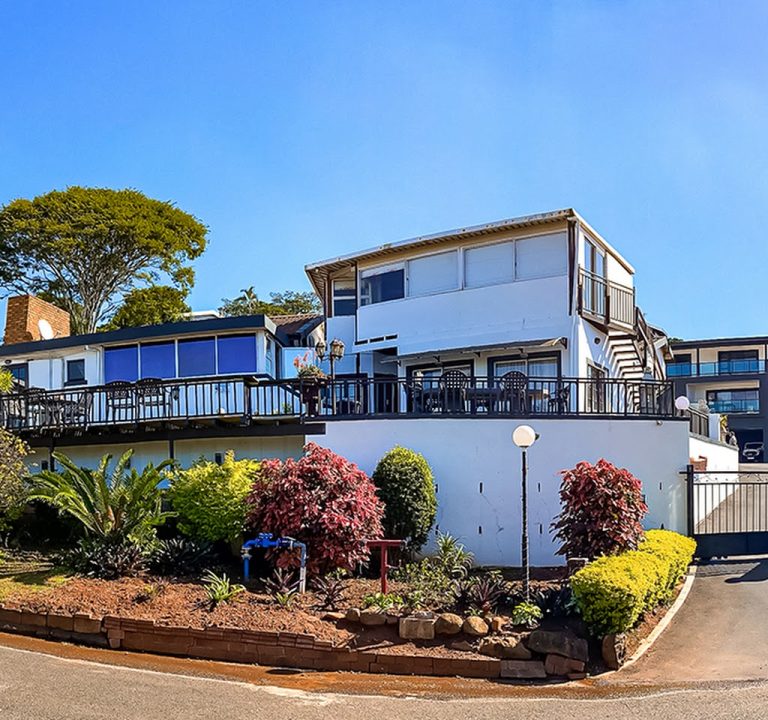
accommodation profiles such as Mandalay Bed & Breakfast and Conference offer a helpful option for visitors seeking a comfortable, home-style stay with the convenience of a conference space if needed. Properties of this kind often balance warmth and practicality, with easy access to Durban’s core attractions while providing a personalised touch that enhances the overall experience. For those curious to learn more, official websites of accommodation providers are a reliable source of practical details on rooms, facilities, policies and local guidance.
Durban is well supplied with contactable information through official tourism resources and property websites. A well-planned stay typically blends a comfortable base with day trips and experiences that reveal the city’s maritime charm, cultural richness and welcoming hospitality. As you map out your itinerary, consider a mix of days for beach time, strolls along promenades, market visits and short excursions to nearby towns or nature reserves, ensuring a balanced and memorable Durban stay.
For more information about Mandalay Bed & Breakfast and Conference, you can visit their official website at https://www.mandalay.co.za/.