Durban: Accommodation, attractions and how to plan your stay
Durban in KwaZulu-Natal is a city of coastal splendour, cultural variety and easy access to both beach and hillside scenery. When planning a stay in Durban, think about what kind of environment suits you best: beachfront convenience, leafy inland tranquillity, or a bustling city centre base close to restaurants and nightlife. Durban offers a range of accommodation types, from family‑friendly guesthouses and mid‑range hotels to boutique lodges and self‑catering apartments, making it easy to tailor a stay to your budget and interests.
Areas to consider when booking
Durban’s coastline is threaded with diverse neighbourhoods. The Golden Mile and Central Durban provide convenient access to beaches, markets, museums and a lively dining scene. For a quieter stay with pleasant sea views, consider a hotel or guesthouse along the North Beach or the Umhlanga area, which also serves as a popular gateway to longer coastal walks and nature reserves. For a more local, residential feel, look to Morningside, Glenwood or the suburb around Greyville, where access to cafés, public transport and parks is straightforward. Inland stays in the Higher Hills, Pinetown or surrounding suburbs offer a cooler climate and a different pace, often with excellent value and easy routes to the interior attractions of KwaZulu‑Natal.
What to look for when booking
When choosing accommodation, start with location relative to the activities you plan. If you want beach days and sea swims, prioritise properties within short walks of the shore. If you’re after great access to markets, museums and nightlife, a central or city‑fringe base is sensible. Check for essential amenities such as reliable air conditioning or fans (Durban can be humid in the warmer months), secure parking if you’re driving, comfortable beds, and good Wi‑Fi for planning days and keeping in touch with fellow travellers. If you’re visiting in school holidays or peak season, read cancellation policies carefully and consider hosts with flexible terms. For families, look for on‑site family rooms, quiet corners for resting between activities, and a kitchenette or self‑catering option to save costs on meals.
Typical amenities to expect
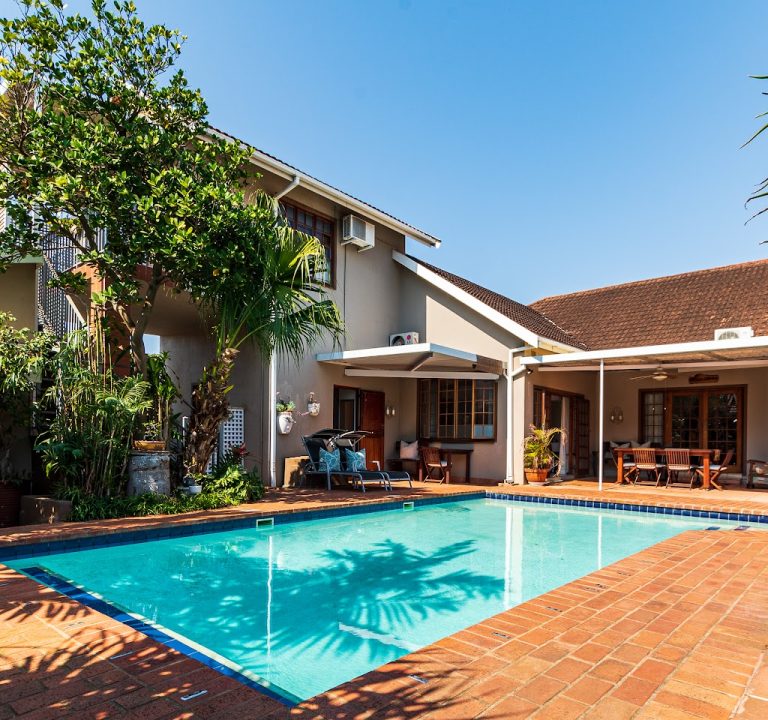
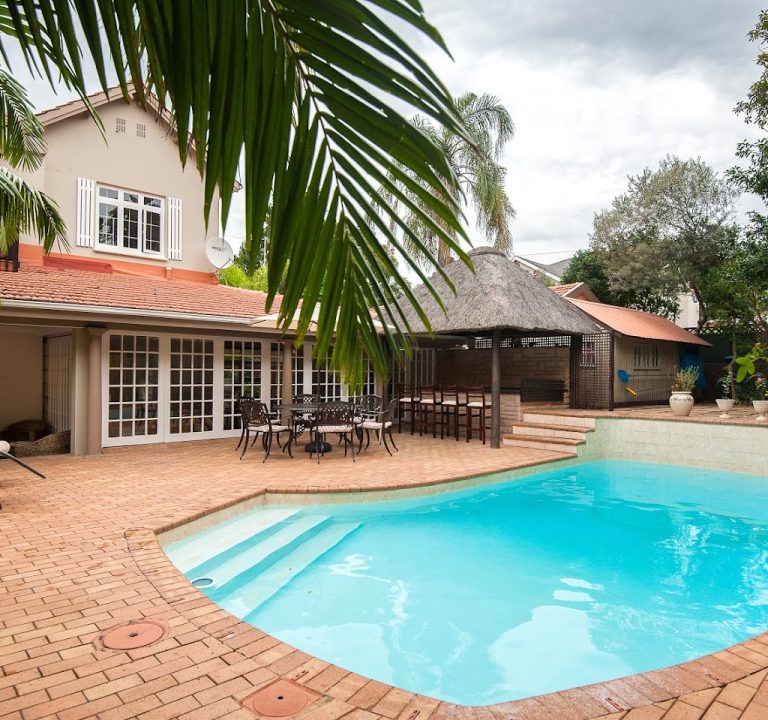
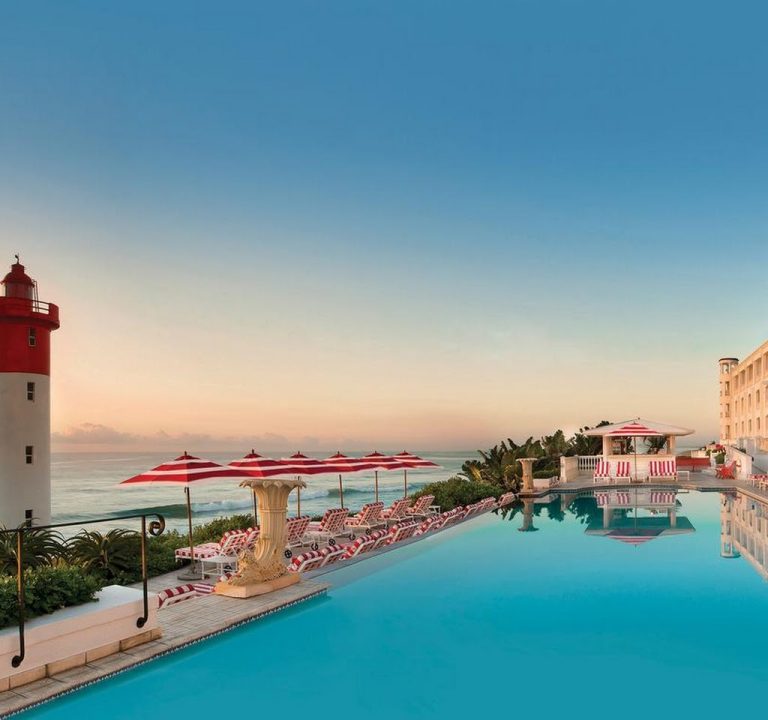
Durban’s accommodation often blends practicality with comfort. Common features include air conditioning or ceiling fans, en‑suite bathrooms, and adequate storage. Many guesthouses and boutique lodges offer breakfast options, with some providing full restaurant services or light meals. Swimming pools are popular, particularly at properties near the coast, and on‑site parking is valuable for explorers renting a car. If you favour a more intimate experience, look for rooms with thoughtful touches such as locally inspired décor, a private balcony or terrace, and access to shared lounges or outdoor spaces for socialising or reading a book after a day of sightseeing.
Transport and getting around
Durban benefits from a walkable central core near the harbour and Golden Mile, plus a network of taxis, ride‑hailing services and bus routes. Car hire remains convenient for exploring beyond the city, including the Valley of 1,000 Hills, the Valley of a Thousand Hills and the southern coast. If you’re staying inland or away from major routes, consider a property with easy access to main roads or a garage, as traffic can be heavy during peak times. For day trips to the nearby beaches and nature reserves, a car is usually the most straightforward option, though some areas are accessible by guided tours or organised transfers.
Best time to visit and practical tips
The coast enjoys warm summers with high humidity and mild winters. The peak beach season runs from December to February, when days are long and sunny, but be prepared for crowds and higher prices. From March to May and September to November, the city tends to be quieter with pleasant temperatures, making it a good compromise for sightseeing and beach time. Winter (June to August) remains warm by many standards, with cooler mornings and comfortable days; it’s a good window for outdoor activities without the peak‑season bustle. If you’re planning outdoor experiences, consider weather patterns around the KwaZulu‑Natal coast and inland hills, and book coastal activities or nature‑based excursions in advance during school holidays. Practical tips include packing sun protection, staying hydrated in the humidity, using bottled water where advised, and keeping valuables secure in busy areas.
What to do: experiences beyond the hotel
Durban offers a mix of nature, culture and cuisine without needing long journeys. You can enjoy expansive beaches, seaside promenades and safe swimming coves along the coast. Inland, you’ll find lush parks, botanical gardens and rugged hill trails with sweeping views. Eating out ranges from casual beachside cafés to modern bistros and curry‑house favourites, reflecting Durban’s Indian, African and global influences. Shopping districts provide markets, crafts and fresh produce, offering a flavour of daily Durban life. For a relaxed afternoon, consider a stroll along the waterfront or a clifftop walk that reveals both coastline and city panoramas. Booking accommodation with easy access to public transport or with helpful concierge services can help in arranging these experiences smoothly.
One example of the type of place travellers might consider is a boutique indoor lodging provider that offers comfortable rooms, stylish spaces and a central base for exploring the city. While the exact facilities vary by property, these kinds of lodgings emphasise a balanced stay—quiet rooms after busy days, friendly staff ready to share local tips, and proximity to both beaches and urban amenities. If you come across a property with a focus on warmth and hospitality, it can be a great fit for a Durban visit, especially when paired with flexible dining options and a restful space to return to after daily adventures.
- Plan ahead for peak seasons and consider midweek stays for better rates.
- Choose a base that aligns with your preferred pace—coastal access for beach days or central areas for museum and market hopping.
- Think about transport: car hire offers flexibility, while central stays reduce transit time.
- Check for practical amenities such as air conditioning, parking, wifi and easy access to breakfast or self‑catering options.
To learn more about Durban and KwaZulu‑Natal, you can visit official tourism pages that offer planning tips, suggested itineraries and current guidance for visitors. Enjoy discovering the warm hospitality, vibrant culture and natural beauty that make Durban a unique destination.