Durban: accommodation planning, stays and local experiences in KwaZulu-Natal
Durban is a welcoming coastal city that blends warm Indian Ocean breezes with lush hinterland scenery and a vibrant dining scene. When planning a stay, it helps to think first about the neighbourhoods that suit your rhythm. Durban North and the area around the Point offer easy ocean views and convenient access to beaches, while Umhlanga and the Golden Mile promenade provide a more polished, resort-like feel with strong transport links into the city centre. Morningside and Greyville tend to attract guests who value easy access to restaurants, shops and cultural sites, often with a more central base for daily explorations. If you’re after a quieter residential vibe with quick beach access, consider upmarket guesthouses inland in leafy streets or along quiet cul-de-sacs near the coast.
Accommodation in Durban spans guesthouses, B&Bs, boutique hotels and self-catering apartments. A bed & breakfast such as The Brother’s Guest House can offer a friendly, home-from-home atmosphere with included breakfasts and personalised tips from hosts. When choosing a place to stay, look for a balanced package: comfortable room and bedding, secure access, on-site parking if you’re driving, and easy routes to major sights. Pay attention to breakfast timing and options, as a strong start to the day often makes an easier itinerary. Consider whether the property provides convenient features such as Wi-Fi, air conditioning or fans, and whether it offers a small lounge or outdoor spaces to relax after a day of sightseeing.
Booking considerations go beyond the room itself. Check how far the property is from the main transport hubs and whether it’s easy to reach the beaches, markets and cultural venues you want to visit. Durban’s street layout includes busy avenues and coastal roads, so a location with straightforward access to major routes or reliable local taxis can save time. If you plan to use public transport, verify proximity to bus routes or rail links, and ask about staff assistance for longer trips or day tours. If you’re renting a car, confirm parking arrangements, including whether spaces are secure and off-street, and whether there are any local parking restrictions in the area.
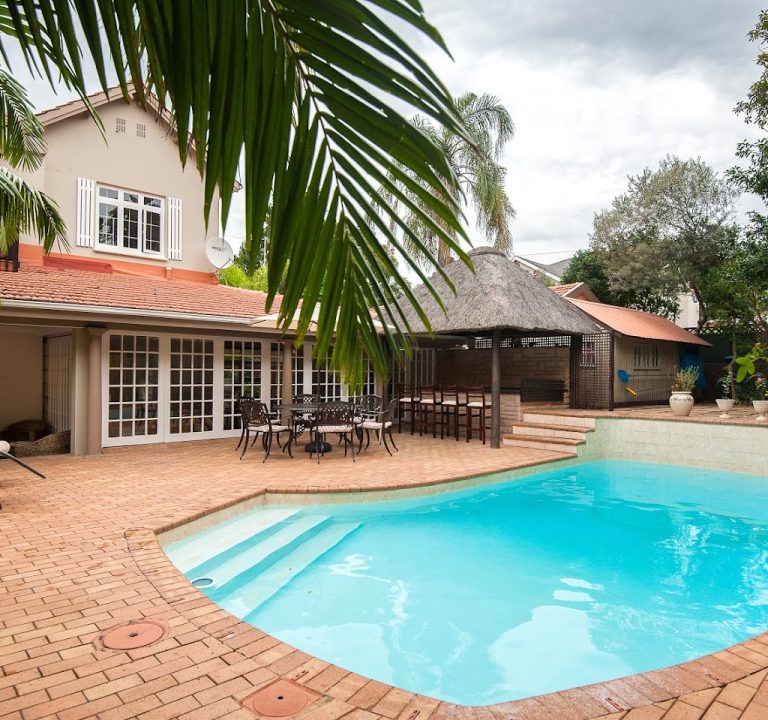
Typical amenities you’re likely to encounter include a hearty, self-serve breakfast with options to accommodate dietary needs, free Wi‑Fi, private en-suite facilities, and clean, well-maintained common areas. Many Durban hosts offer advice on local beaches with lifeguards on duty, surf spots for various skill levels, and best times to visit popular waterfront promenades to avoid crowds. Pool facilities or outdoor courtyards are welcome features in the warmer months, while fans or air-conditioning can make a big difference during the humid season. If you’re visiting with family, ask about family rooms, cots or high chairs for younger travellers, and whether there are safe outdoor spaces for children to play in a supervised setting.
Transport in Durban ranges from self-drive to organised tours and rideshare services. If you’re staying near the coast, you’ll find it easy to stroll along the promenade, reach beaches on foot, and access nearby eateries. For longer day trips, hiring a car provides flexibility to explore inland attractions such as nature reserves and viewpoints beyond the city. Local taxis or rideshare apps are widely available, and many guesthouses can assist with arranging early morning pickups or day-trips to popular sights. If you’re not keen on self-driving, consider a base with good access to guided tours or day tours that cover multiple coastal towns and nearby natural reserves.
Best time to visit Durban is shaped by the warm climate and occasional rain. The summer months bring lively beach life and outdoor markets, whereas winter offers milder days and fewer crowds, making it pleasant for city walking tours and cultural visits. If you enjoy swimming, surf and sunbathing, late spring through early autumn are the most reliable periods, but Durban’s subtropical climate means a comfortable experience most of the year with careful sun protection and hydration. For outdoor activities like nature walks or coastal cycling, early mornings or late afternoons tend to be cooler and less busy.
What to plan in advance, and practical tips:
- Estimate travel time between your accommodation and beaches, markets, and cultural sites, especially if you’re relying on public transport or taxi rides at peak times.
- Check whether the property offers secure parking or easy access to on-street parking if you are driving.
- Ask about guest amenities such as stocked tea and coffee facilities, laundry services, and late‑check‑in options if your schedule is flexible.
- Pack appropriate beachwear, sun protection, and light layers for day trips, as Durban’s weather can shift quickly from sun to breeze near the coast.
- Consider booking accommodation with a central base and a short taxi ride to a variety of eateries and shopping venues rather than staying far away in isolation.
- Look for hosts or properties that provide local tips about safe beaches, family-friendly spots, and markets where you can discover crafts and regional flavours.
Durban offers a broad mix of experiences that suit travellers seeking beachfront relaxation, culinary discoveries, and opportunities to explore KwaZulu-Natal’s rich coastal culture. Whether you stay in a cosy B&B such as The Brother’s Guest House or choose a boutique hotel close to the harbour, you’ll find friendly hospitality and convenient access to the city’s sights, dining, and traditional markets. Use a flexible itinerary to balance time by the sea with excursions inland, and you’ll be well placed to enjoy Durban’s warmth, colour and rhythm.