Durban Accommodation and Planning Your Stay: Where to Stay, What to Expect, and How to Enjoy KwaZulu-Natal’s Coastal Gateway
Durban in KwaZulu-Natal sits on a sun-washed stretch of Indian Ocean coastline, blending subtropical warmth with a vibrant, cosmopolitan edge. When planning a stay, consider a mix of neighbourhoods to get the most from your visit. The beachfront precincts offer easy access to the sea and a lively promenade, while the inner-city and Berea districts provide convenient access to markets, parks and cultural attractions. For a more relaxed, resort-like experience, the northern coastal towns and upmarket suburbs offer larger properties and quieter settings within easy reach of major attractions and day trips.
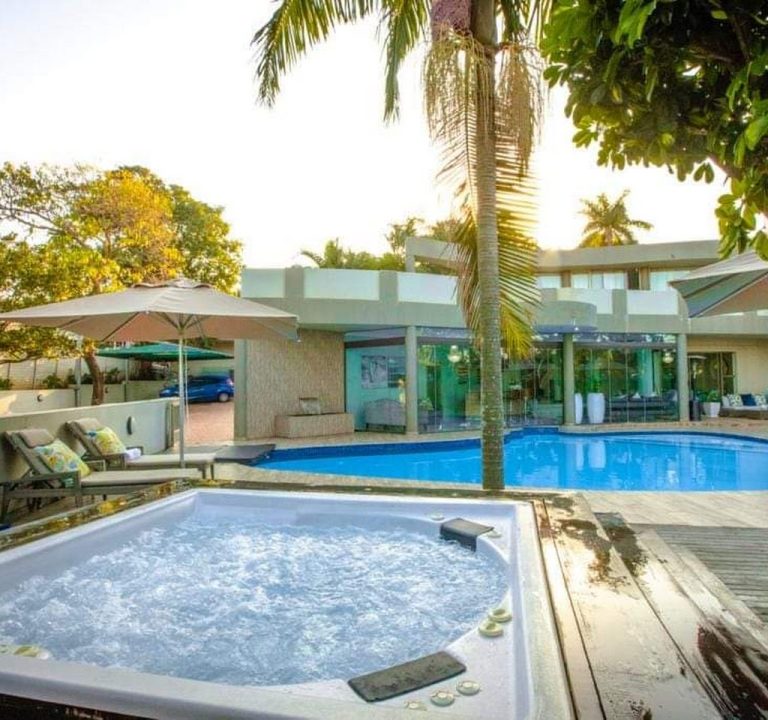
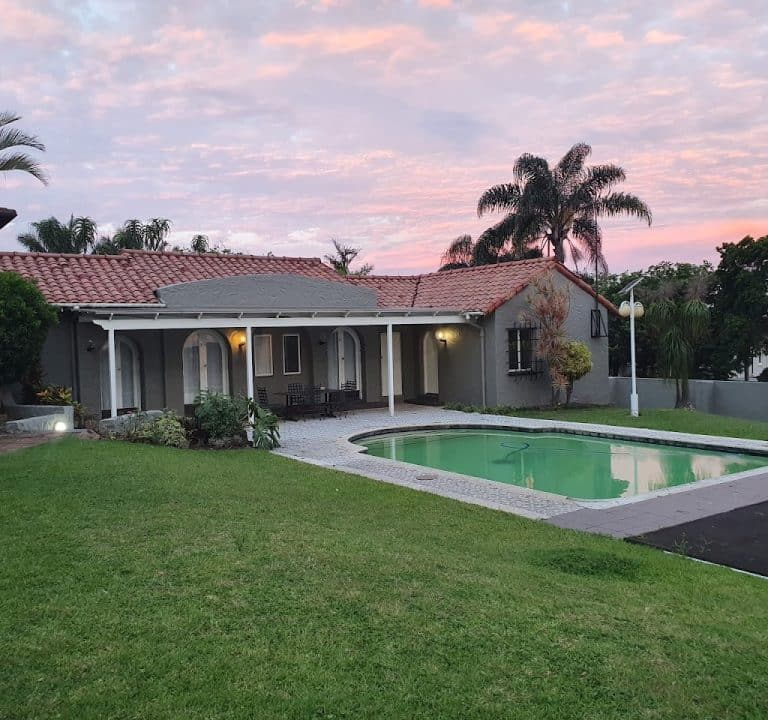
Durban’s accommodation options span boutique hotels, guesthouses, hidden-in-plain-sight bed-and-breakfasts, self-catering apartments, and larger purpose-built hotels. A boutique option such as Marmalade Boutique Hotel represents the trend toward stylish, well-located properties that pair personalised service with modern conveniences. In town, you’ll also find mid-range and upscale hotels with pool decks, on-site dining, gym facilities and flexible conference spaces. If you’re travelling with family or a group, serviced apartments and self-catering units give you the freedom to cook, socialise and come and go on your own schedule.
Areas to consider include:
- Durban beachfront and Golden Mile: ideal for ocean views, easy access to the promenade, beaches and a range of casual eateries. Many hotels here prioritise sea-facing rooms and easy access to the main cycle and pedestrian paths.
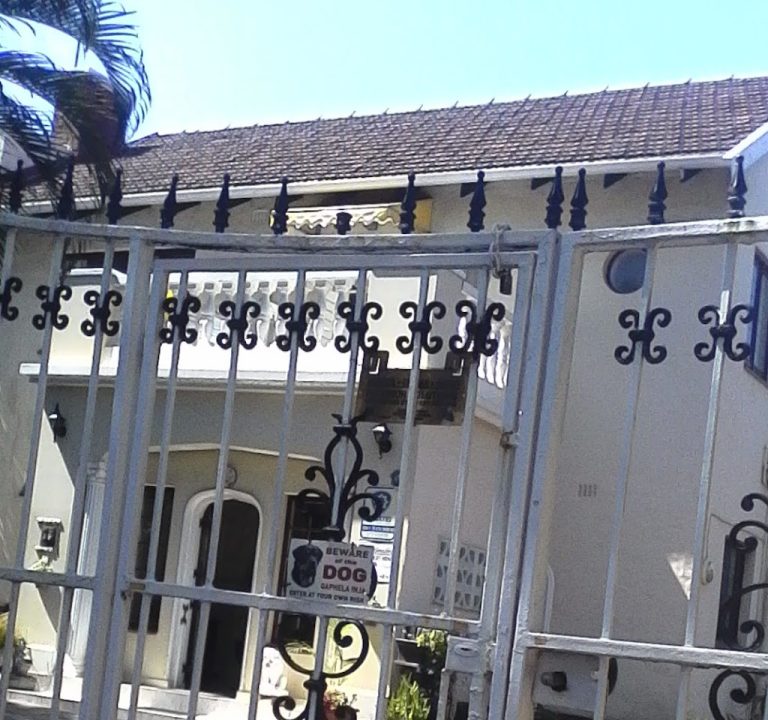
- Durban City Centre and the Berea: a good base for exploring markets, museums and cultural sites, with convenient transport links to the southern and northern suburbs. Lodgings range from stylish boutique hotels to guesthouses with classic architecture.
- Umhlanga and Umhlanga Ridge (north of the city): a more polished, resort-style choice with newer properties, shopping, and dining precincts, plus quick highway access to the King Shaka International Airport and northern beaches.
- Clifton and Morningside: leafy, residential-feel neighbourhoods offering walkability to cafés, gardens and the edge of the central business district, often with refined guesthouses and boutique stays.
When choosing a place to stay, look for practicalities that will shape your daily routine. Confirm whether the property offers secure parking or easy street parking, and whether valuables can be stored safely. Check access to the property (lift for upper floors, ramps if needed) and the availability of air conditioning or effective ceiling fans for Durban’s warm humid nights. Assess what the accommodation provides for self-catering guests (kitchenette, grocery delivery, washing facilities) as this can save both time and money during longer trips.
Typical amenities across Durban’s lodging spectrum include reliable housekeeping, on-site dining options or room-service, complimentary Wi-Fi, and friendly front-desk services. Some properties offer airport transfers or shuttle services to major attractions, while others provide tips and maps on local experiences. If you’re pursuing a wellness or culinary-focused stay, seek options with spa facilities or tasting menus and book in advance, as popular slots can fill quickly during peak seasons.
Transport is a practical consideration in Durban. The city is well-served by taxis, app-based ride services, and a developing network of bus routes. If you’re staying near the Golden Mile or central areas, you’ll enjoy walkable access to beaches, markets and cafés. For day trips to the Valley of a Thousand Hills, uKhahlamba-Drakensberg, or nearby nature reserves, consider renting a car or arranging a reputable touring service. If you’re arriving by air, King Shaka International Airport is a short drive from the northern suburbs and coastal areas, with several hotels offering airport shuttle arrangements.
The best times to visit Durban balance warm, sunny weather with lighter travel crowds. The city enjoys a subtropical climate, with hot summers and mild winters. Beach days are most pleasant from late spring through early autumn, but comfortable temperatures and lower humidity can be found in the shoulder seasons. Expect summer rainfall to peak in the late afternoon on occasion, and plan indoor or shaded options during those skies. Consider annual events and local markets when planning your stay, and leave some flexibility in your itinerary to accommodate weather or spontaneous discoveries along the coast and in the urban centres.
Practical planning tips for a smooth stay:
- Book accommodation centrally to reduce daily travel time, especially if you’re keen to explore both the beachside and cultural precincts.
- Read recent guest reviews for real-time insights on maintenance, service, and cleanliness standards.
- Ask about on-site parking, security features, and late-check-in policy if your flight arrives after-hours.
- Plan a balanced mix of beach days, museum visits, and dining experiences to sample Durban’s diverse culinary scene without fatigue.
Attractions and dining experiences in Durban generally fall into broad categories: coastal scenery and water-front activities, cultural heritage and markets, nature reserves, and a thriving restaurant scene offering everything from casual seaside grills to contemporary fusion cuisine. Rather than listing specific venues, it’s useful to know that many experiences are within easy reach of major hotels and guesthouses, with concierge teams often ready to tailor day trips and recommend well-regarded eateries and markets. A well-planned stay will weave together restful slumbers by the sea, energetic exploration of local life and history, and relaxed meals that reflect the city’s multicultural flavour.