Durban: A Traveller's Guide to Accommodation and Experiences
Durban in KwaZulu-Natal blends subtropical beaches, urban culture and forest-clad hills into a compact, walkable city that’s approachable for all travellers. When planning a stay, consider the different neighbourhoods and what you want from your trip. The beachfront Golden Mile sets a lively pace with easy access to cafés, markets and views across the Indian Ocean, while neighbourhoods inland offer leafy streets, village-like vibes and calmer evenings. A stay near the CBD can be convenient for business or culture-heavy itineraries, and suburban pockets close to the inland valleys offer a more relaxed pace and easier parking. For a taste of coastal scenery with modest travel times to attractions, look for accommodation close to the beachfront or the Durban harbour precincts, then layer in day trips to nature reserves or nearby towns.
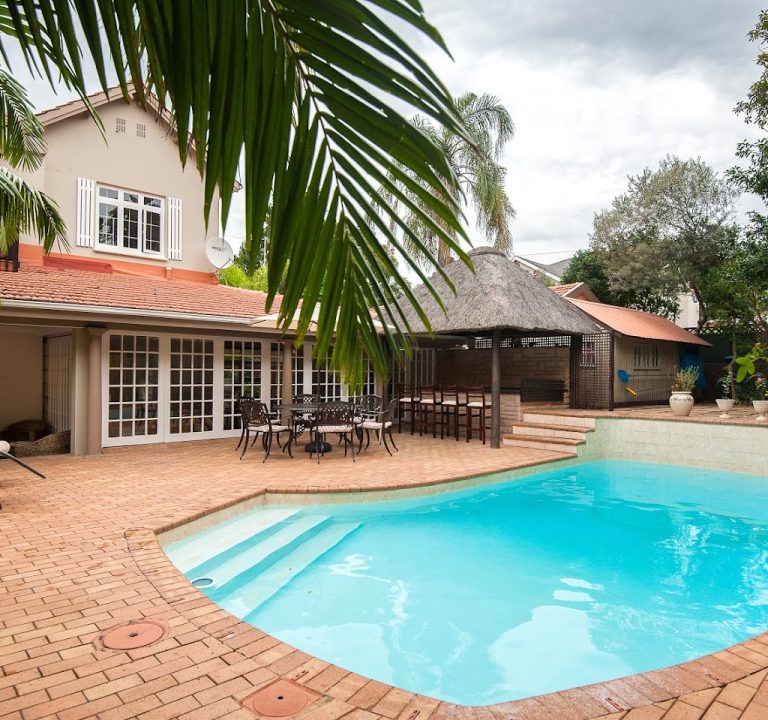
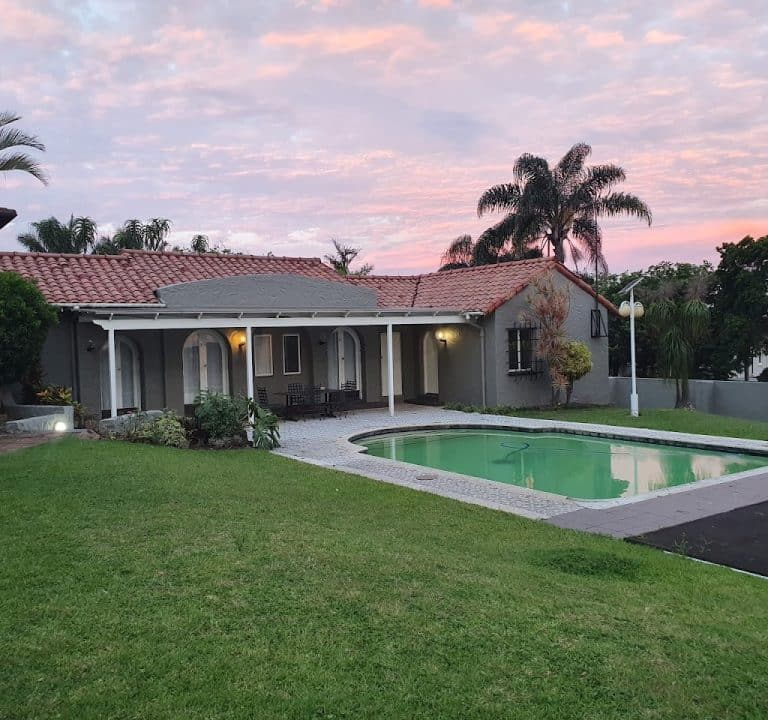
Allways Bed & Breakfast is one example of the kind of traveller-friendly option you’ll encounter in Durban. B&Bs in the city frequently scout for guest comfort with personable hosts, hearty breakfasts and thoughtful touches that help you settle in quickly after a day of sightseeing. Guesthouses, boutique hotels and modern lodges also abound, ranging from cosy, intimate spaces to larger properties with secure parking and on-site dining. When choosing where to stay, consider the type of breakfast you prefer, whether you need secure parking, and if you’d like a self-contained unit or a room with shared facilities.
Typical amenities across Durban accommodation include reliable free Wi‑Fi, private or en-suite bathrooms, air conditioning or ceiling fans for Durban’s warm climate, and comfortable bedding. Many properties offer self-catering options, either through kitchenettes or full kitchens, which can be particularly convenient for families or travellers on a flexible schedule. If you’re seeking a social atmosphere, look for guesthouses with communal lounges or gardens where fellow travellers gather. For those with mobility considerations, check on elevator access and step-free routes to rooms, as older buildings may have stairs or limited lift access.
Booking tips to help you plan effectively:
- Compare the distance to your must-see sites. A short walk along the promenade can be preferable to a longer drive if you plan to enjoy evenings on the beachfront.
- Review parking arrangements. Durban’s busy areas can have limited on-street parking; many guesthouses and hotels offer secure off-street parking for a small fee.
- Read breakfast options carefully. Hearty, locally inspired breakfasts are a big plus, but confirm whether they’re served early enough if you’re setting out to explore early in the day.
- Ask about transport options. Some properties can arrange taxi transfers, provide guidance on public transport, or offer suggestions for safe, reliable ride-hailing services.
- Mind the seasonality. Durban’s climate means outdoor activities shine year-round, but summer can bring humidity and afternoon showers; plan outdoor days around the local weather pattern.
When it comes to planning your days, Durban has a generous mix of beaches, markets, cultural precincts and nature escapes. A stroll along the Golden Mile offers sea air and a sense of the city’s coastal energy, with opportunities to stop for coffee, street food or a quick dip in a protected area. Inland, the city and surrounding hills host markets, craft shops and small galleries that celebrate Zulu heritage and Indian Ocean influences, giving you a flavour of the region without straying far from your base. For families and outdoor enthusiasts, nearby nature reserves and coastal parks provide easy day trips with trails suitable for varied fitness levels.
Food lovers will find Durban’s dining scene inviting and casual. From long-standing curry houses to modern cafés, the city’s flavours reflect its cultural blend. In addition to restaurant meals, many accommodation options can point you to local favourite spots—whether you’re after a hearty breakfast before a day on the coast, a mid-morning snack to fuel a stroll through the markets, or a relaxed dinner with sunset views. When in doubt, ask for recommendations tailored to your itinerary and dietary preferences.
Best time to visit Durban is usually in the drier winter months or shoulder seasons, when skies are clear and humidity is more comfortable. However, the warm sea and lush landscapes make summer a lively time to explore the beachfront, go for swims, and attend outdoor events. Pack layers for cooler evenings near the coast and light, breathable clothing for daytime sightseeing. If you’re visiting during peak season, book well in advance and confirm cancellation terms, as popular areas and properties can fill up quickly.
Practical tips for a smooth stay include confirming access details before arrival, especially if you’re arriving late. Have a rough plan for how you’ll move around: Uber and similar services are common, and some properties offer shuttle or transfer arrangements. Be mindful of local traffic patterns and parking rules in busy coastal zones. Finally, remember to pace your itinerary to leave time for the city’s naturally generous spirit—a relaxed day can be just as rewarding as a full schedule of activities.