Staying in Durban: accommodation that suits the city’s rhythm and how to plan a great visit
Durban, in KwaZulu-Natal, blends subtropical coastal charm with a diverse urban scene. For travellers choosing a guest house, hotel, or lodge, the city offers a range of options that can suit budget, pace and proximity to sights. When planning a stay, it helps to think about what you want from your visit: relaxing beachfront mornings, easy access to family-friendly attractions, or a taste of the city’s vibrant dining and cultural scenes. Durban’s accommodation sector tends to prioritise comfort, approachable service and convenient transport links, making it possible to enjoy a relaxed break without sacrificing access to the city’s highlights.
Areas to consider include the Gold Coast’s beaches for a coastal vibe and easy sea views, the central districts for access to museums, markets and a lively urban atmosphere, and the northern suburbs for quieter streets, leafy neighbourhoods and practical transport routes. A guest house in a well-connected neighbourhood can offer a more intimate, homely experience, often with personalised recommendations from hosts who know the city well. If you prefer a modern hotel environment, you’ll find purpose-built properties with straightforward check-ins, on-site dining and business facilities not far from major transport corridors. For a family trip, guest houses and lodges close to beaches or parks can provide more space, often with shared common areas and kitchen facilities, which can help keep costs down while you explore the coast.
When you book, think about a few practical considerations. Proximity to transport matters in Durban as traffic can be congested at peak times, particularly when leaving popular beaches or heading to the city’s cultural precincts. If you plan to rely on public transport, check whether your accommodation is near major bus routes, taxi stands, or ride-sharing hubs. If you have a car, confirm whether the property provides secure parking or note nearby parking options. For travellers who want a more self-contained stay, many guest houses offer kitchen facilities or shared kitchens, which can be convenient for breakfasts before long days of sightseeing.
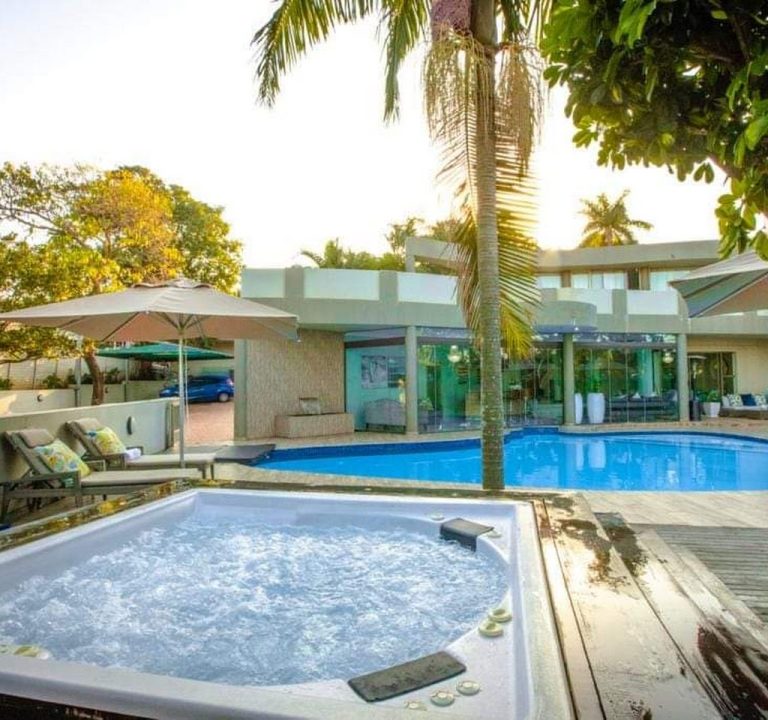
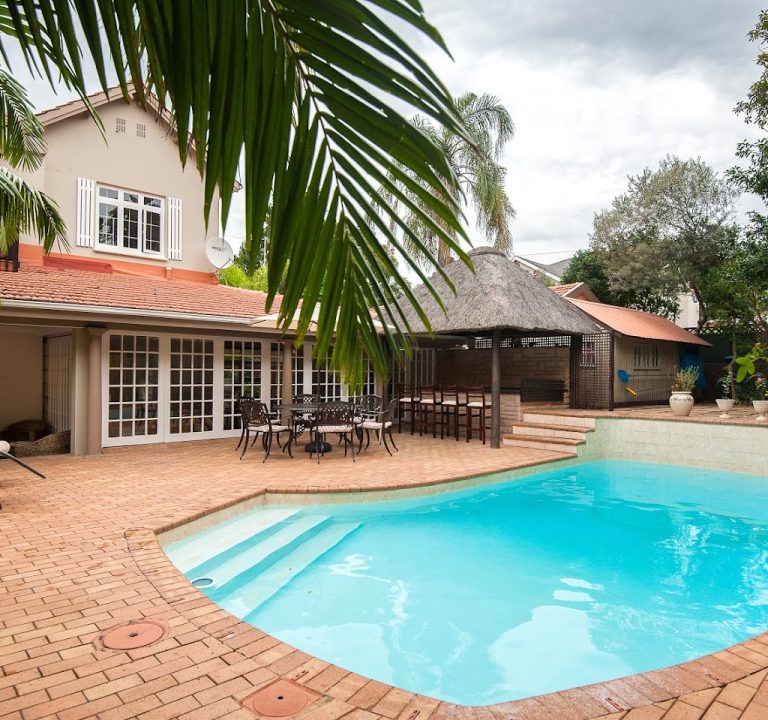
Typical amenities in Durban’s guest houses and hotels often include comfortable beds with quality linens, en-suite bathrooms, air conditioning or ceiling fans, and reliable Wi‑Fi. Many properties provide a breakfast option, and some offer dinner on request or a shareable kitchen setup for guests who prefer to dine in. Outdoor spaces can be a real plus, whether that means a balcony with sea glimpses, a courtyard for a morning coffee, or a garden area where children can burn off energy. If you have mobility needs or travel with certain equipment, filter for accessible rooms and facilities. For weekend sprints, you may find short-stay rates and flexible cancellation policies that suit small groups or spontaneous getaways.
Best time to visit Durban depends on what you want from the trip. The city enjoys a warm subtropical climate, with hot summers and mild winters. The summer months bring lively beaches, while the shoulder seasons can offer quieter streets and lower rates. If you’re drawn to outdoor activities like surfing, swimming and hiking, plan for good weather windows. For culture and food, Durban’s markets, galleries and coastal promenades are enjoyable year-round, but a few seasonal events and festivals can enrich your stay. Always check local advisories and weather forecasts as you finalize plans, especially if you intend to spend long days outdoors.
Getting around Durban is straightforward with several transit options. The city has a network of buses and minibus taxis in addition to ride‑hailing services. If you prefer the flexibility of private transport, many guest houses and hotels advertise convenient parking or shuttle options to popular districts such as the beachfront, the central business area, and the city’s cultural precincts. Walking is pleasant in well‑lit, lively streets close to the promenade or in compact neighbourhoods around the harbour, where you can easily combine a stroll with a casual meal or a beverage at a local cafe.
Planning a stay in Durban also involves thinking about food and dining in a broader sense. Durban’s culinary scene reflects its blend of cultures, with casual eateries, markets and seafood spots near the coast and in residential areas. You’ll find spaces that offer light breakfasts or brunch capabilities, while a number of guest houses and hotels will organise recommended dining routes or provide maps with nearby favourites. When selecting accommodation, consider whether you prefer a stay with full board, a continental breakfast, or options that allow you to sample different neighbourhoods by trying a few nearby places each day.
To make the most of your visit, balance comfort with exploration. Choose a base that makes sense for your itinerary—whether you want quick beach access, easy reach to Durban’s museums and markets, or a quiet, leafy street a short ride from the buzz. Take time to read guest reviews focusing on cleanliness, the responsiveness of hosts or staff, and the helpfulness of local recommendations. Finally, allow for some spontaneity: Durban rewards travellers who pause for a café stop, a sunset walk along the promenade, or a casual evening at a neighbourhood eatery after a day of sightseeing.
In short, Durban’s accommodation sector offers a spectrum of possibilities for different travel styles. By weighing location, transport options, available amenities and your planned activities, you can secure a stay that feels tailored to your pace and interests—and set the scene for a memorable KwaZulu-Natal experience.