Durban: Accommodation, Attractions and Practical Planning for Visitors
Durban, a bustling coastal city in KwaZulu-Natal, blends subtropical beaches with rich cultural heritage and a growing, traveller‑friendly hospitality scene. When planning a stay, consider the city’s diverse neighbourhoods, from its sunlit Golden Mile and central business districts to the leafy suburbs near the hills and the nearby harbour. The best choice depends on what you want to do: sandy days and seaside strolls, cultural immersion, or easy access to shopping and dining.
Where to stay depends on your priorities. The beachfront areas are particularly appealing for first‑time visitors who want quick access to the sea, sunset walks, and a lively atmosphere. For those seeking a calmer base with easy access to the Kwazulu‑Natal Midlands and inland attractions, residential neighbourhoods a short drive from the city centre offer a quieter pace while still being well connected by roads and taxi services. If you are visiting for business or to explore the harbour and port history, central Durban or the nearby maritime suburbs can be convenient choices. Consider proximity to MyCiTi bus routes or ridesharing options when budgeting time for daily excursions.
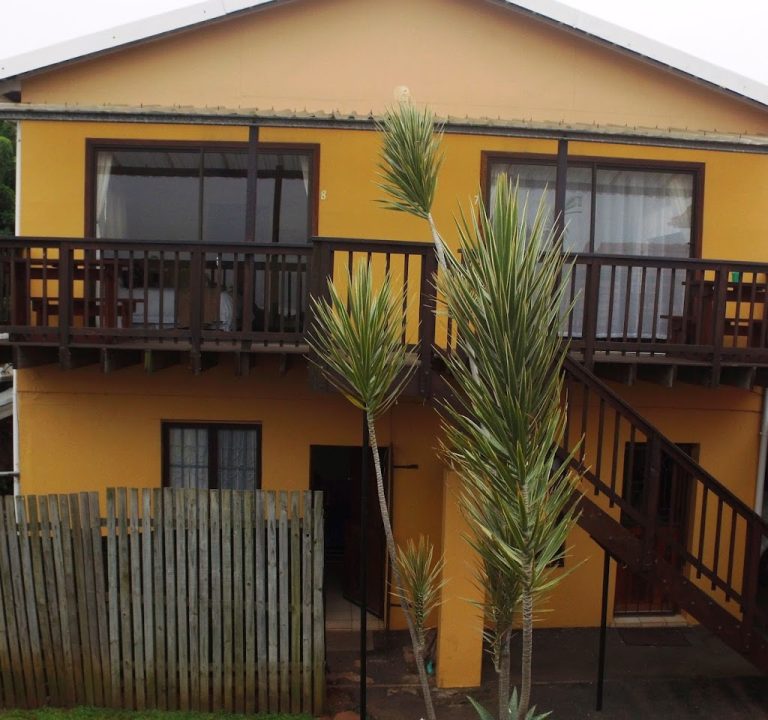
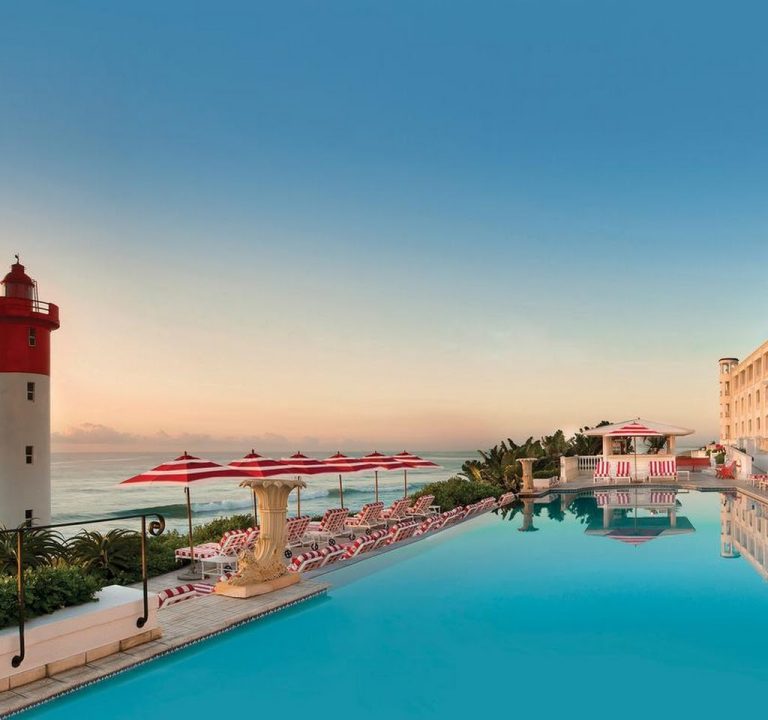
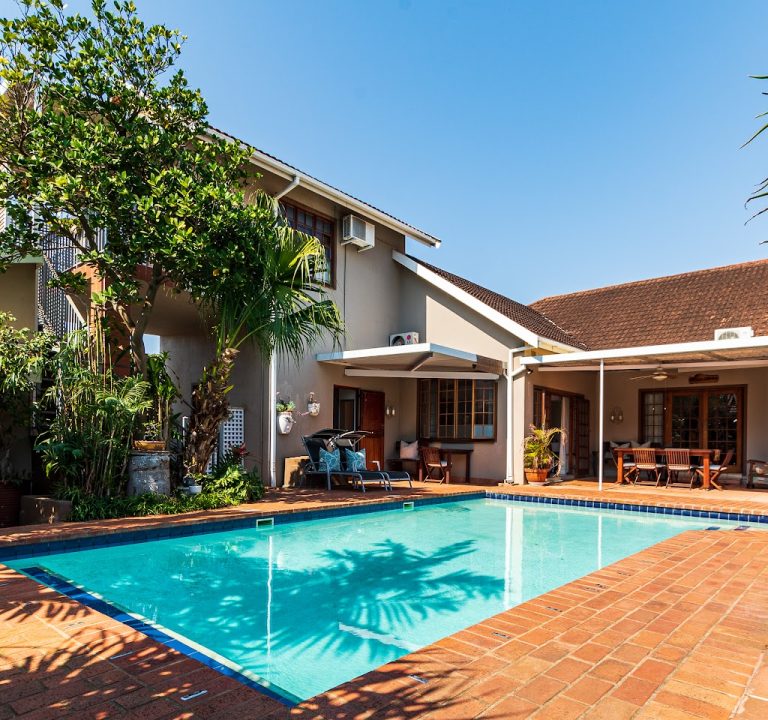
Typical amenities to look for when booking include reliable air conditioning or ceiling fans (Durban’s climate can be warm, especially in the summer), complimentary Wi‑Fi, secure parking if you’re driving, and the availability of a good breakfast option or a kitchenette in longer stays. Many guesthouses and mid‑range hotels offer venetian-style verandahs, inviting courtyards, or rooftop spaces with views of the city or sea. If you plan to stay for a week or more, a self‑catering or apartment‑style unit can add convenience and flexibility, particularly if you’re travelling with family or friends.
Transport around Durban is well served by taxis and ridesharing, with an expanding network of public transport routes. If you are staying near the coast, you can enjoy long walks along the promenade and quick access to restaurants and cafés. For day trips to the uMkhomazi or Valley of a Thousand Hills, or to the inland attractions such as nature reserves and cultural villages, renting a car provides the most flexibility. Many accommodation options can arrange airport transfers or offer shuttle services; it’s worth checking this ahead of booking to simplify your first day in the city.
The best time to visit Durban typically runs from April to September, when the weather is warmer but not overly humid, and coastal days are pleasant for outdoor exploration. Summer months bring humidity and the possibility of rainfall, but they also offer vibrant markets, live music, and lush green landscapes. If you enjoy surfing, watersports, or festival atmospheres, plan for late autumn to late winter when crowds are manageable and the sea remains comfortable for most swimmers with lifeguard‑patrolled beaches in popular stretches. Always consider local weather patterns and seasonal advisories when scheduling outdoor activities.
Attractions and experiences around Durban are rewarding without needing to rely on heavy planning. You can expect to find a mix of natural scenery, cultural galleries, and bustling markets. On the coast, long sandy beaches and promenades provide space for walking, cycling and people‑watching. Inland, cultural heritage venues, museums and markets showcase the region’s diverse history and crafts. In terms of dining, the city’s restaurant scenes range from casual beachfront eateries to contemporary restaurants offering coastal flavours and fresh produce. Many places emphasise seasonal menus, farm‑to‑table concepts, and vibrant street‑level dining experiences, making it easy to enjoy a relaxed meal after a day of sightseeing. If you prefer a guided insight into the area, some hotels and guesthouses can arrange local tours, whether you want a cultural walking route, a nature stroll, or a food‑focused market itinerary.
Practical planning tips to maximise your stay:
- Choose accommodation with easy access to your preferred activities, whether that means a short walk to the beach, proximity to markets, or a quick ride to a cultural district.
- Read recent guest reviews focusing on cleanliness, responsiveness, and the accuracy of location descriptions, which are strong indicators of a reliable stay.
- Confirm what is included in the rate—breakfast, parking, Wi‑Fi, or access to communal spaces—and verify the check‑in process and any security features such as key‑card access or 24‑hour front desk service.
- Ask about transport options and the availability of airport transfers or shuttle services if you don’t plan to hire a car. For convenience, check if the property can organise day trips or guided excursions.
- Pack for warm days and mild evenings, plus a light rain jacket for the sporadic showers. Sunscreen and a hat are advisable for outdoor activities along the coast.
For more information on navigating Durban and planning a stay, you can consult official tourism resources and local travel guides. Exploring Durban’s accommodation ranges—from intimate guesthouses with personalised service to contemporary hotels with reliable facilities—will help you tailor a stay that fits both your budget and your preferred pace of travel. Embrace the city’s warmth, discover its neighbourhood charms, and enjoy the ease of planning a memorable visit to KwaZulu‑Natal’s vibrant coastal hub.