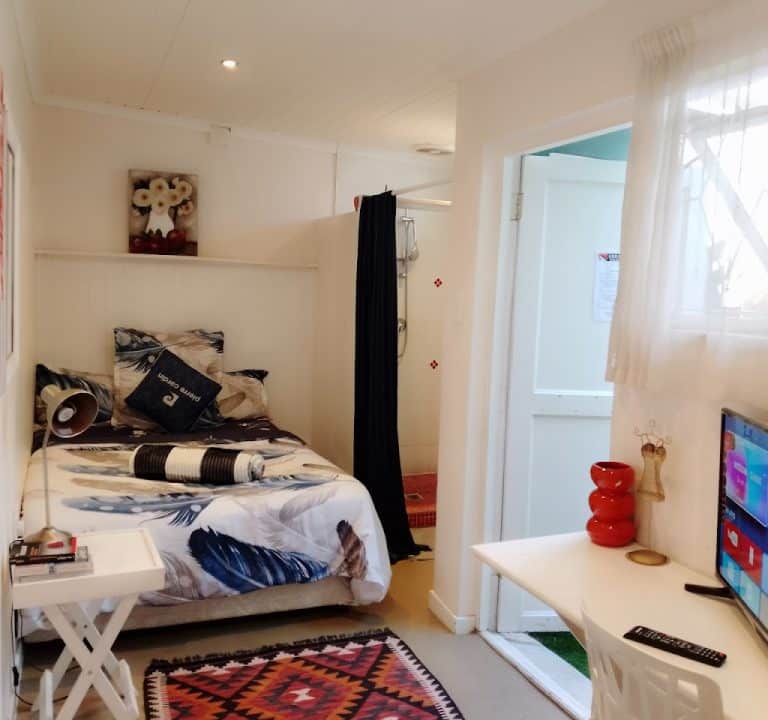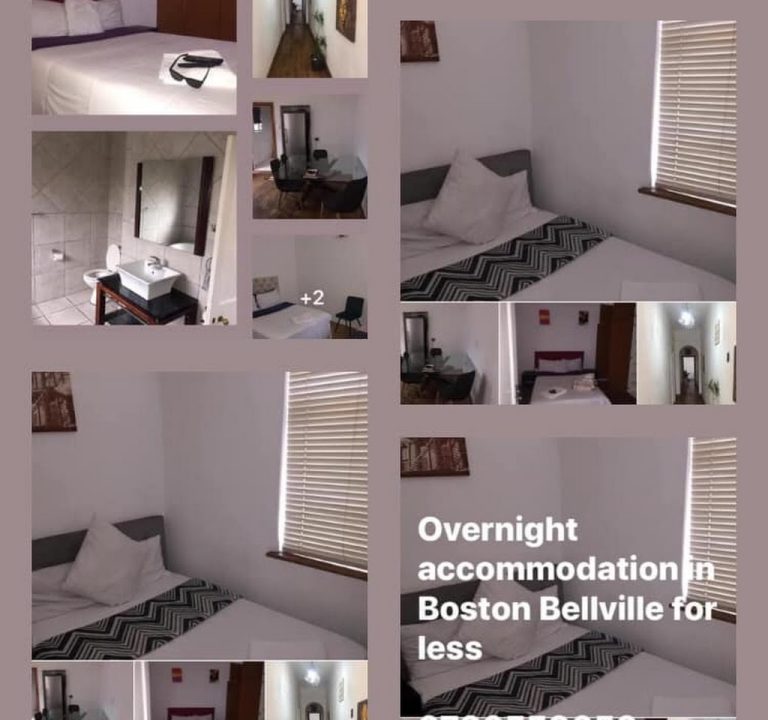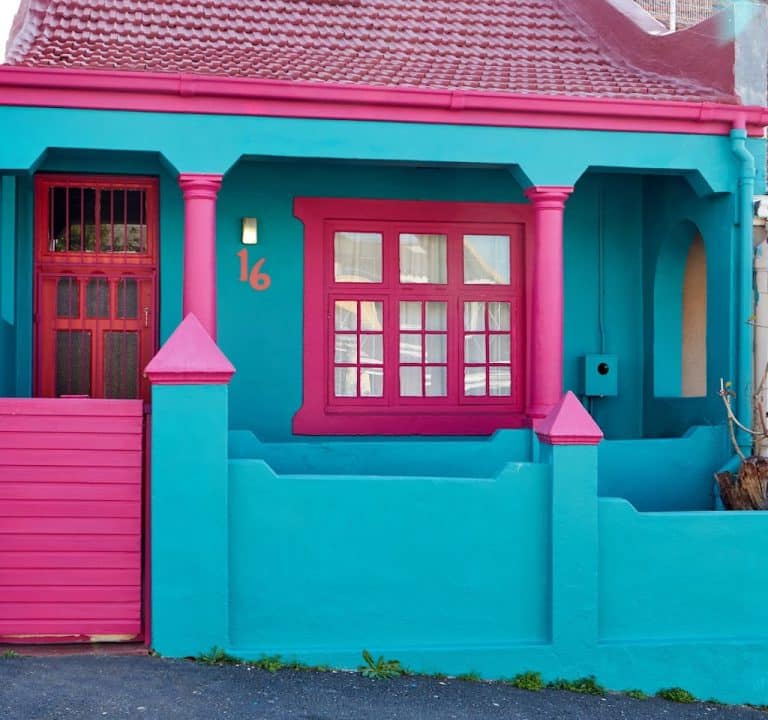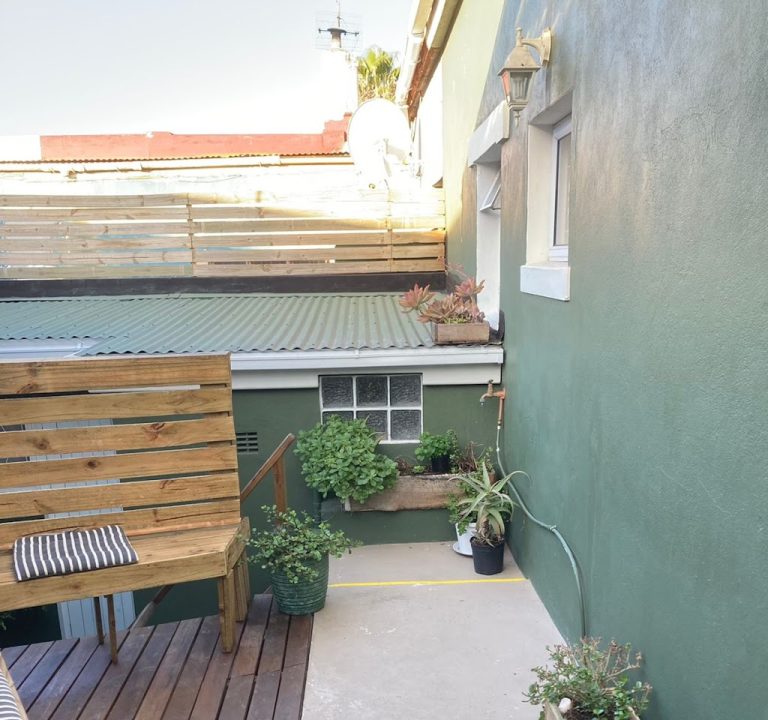
Vibe & Joy Guest House is a Guest house establishment in Cape Town, Western Cape, South Africa
Cape Town
Western Cape
7925
South Africa


Exploring a Stay in Cape Town: Accommodation and Experiences
Cape Town, perched between the Atlantic Ocean and iconic mountains, offers a rich tapestry of places to stay and things to do. Whether you want sea views and cosmopolitan buzz, leafy tranquillity, or a tucked‑away guesthouse with easy access to Winelands and coastal trails, there is something to suit every traveller. When planning a stay, think about which neighbourhood aligns with your rhythm—whether you prefer the buzz of the city, the grandeur of table‑top scenery, or the calmer pace of a historic neighbourhood inland.
Areas to consider include the following. The Atlantic Seaboard and Atlantic Beachfront provide dramatic coastal scenery, easy access to beaches, and a sprinkling of stylish guesthouses, boutique hotels, and self‑catering options. The City Bowl is near V&A Waterfront, business districts, museums, and a constellation of dining and nightlife options, with many guesthouses and small hotels offering compact, well‑appointed rooms. Constantia and the southern reaches of the Eastern Suburbs appeal to travellers seeking green spaces, wine estates, and privacy, often with larger rooms and gardens. For a trendier, design‑led atmosphere with good transport links to the city and harbour, neighbourhoods like Woodstock and Observatory present creative energy, while Kalk Bay and Muizenberg provide a coastal village vibe a short drive from the centre. If you are travelling with family, look for accommodation with the flexibility of lounge areas, kitchen facilities, or longer‑stay options in safe, well‑lit neighbourhoods.
When booking, consider what matters most to you. Proximity to the places you plan to visit can save time and transport costs. If you plan to hike or visit nature reserves, staying near Table Mountain entrances or coastal trails can be convenient. For those who want a strong dining scene within walking distance, central areas or the V&A Waterfront precinct can be ideal. Check whether the property offers parking, as some central locations restrict street parking or require secure options. Bear in mind light and noise levels in busy districts, and whether the building has quick access to major routes or public transport, such as MyCiTi buses and trains from the main stations. If you plan longer stays, a kitchenette or self‑catering amenities can add flexibility and value.
Typical amenities to look for include reliable Wi‑Fi, heating or air conditioning, en‑suite bathrooms, and good security. A comfortable bed, quality linens, and a well‑equipped kitchenette or kitchen area can transform a stay, especially in peak seasons. Many guest houses and boutique hotels in Cape Town offer complimentary breakfast, daily housekeeping, secure parking, and staff who can provide local tips for day trips and routes. Think about guest‑house atmospheres versus hotel standards; some properties position themselves as intimate, home‑from‑home retreats with personalised service, while others emphasise contemporary design and on‑site dining. If you value sustainability, you may wish to seek properties that emphasise energy efficiency, recycling programmes, and locally sourced materials or produce.
Transport in Cape Town is convenient but varies by area. In central areas, walking and short rides are feasible, but you may rely on taxis or ride‑hailing services for longer trips or late evenings. If you plan to explore wine regions such as Constantia or Stellenbosch, a rental car or guided day trips are practical options. For scenic drives along the coast, a car also offers flexibility to stop at viewpoints and beaches. Many guest houses provide guidance on safe routes and day trips, and some offer shuttle services or partnerships with local operators for popular activities. When using transport, budget extra time for traffic, especially in the morning and late afternoon, and plan for harbour and mountain access gates that may have limited hours or seasonal closures.
The best time to visit Cape Town blends climate, crowds and activities. Summers (December to February) are warm and lively, with long days and outdoor events, while autumn (March to May) offers milder weather and quieter streets. Winter (June to August) brings cooler, wetter conditions but can be a good time to visit the nearby wine regions with fewer crowds. Spring (September to November) brings blossoming gardens and pleasant hiking weather. Pack layers for changing temperatures between day and night, comfortable walking shoes for harbour promenades and Table Mountain paths, and sun protection for bright days on the coast.
When planning activities, consider a balance of nature, culture and cuisine. Iconic attractions in general terms include scenic viewpoints overlooking the Atlantic, a cableway or walking routes on Table Mountain, and historic sites or museums reflecting Cape Town’s diverse heritage. Coastal drives, harbour walks, and beaches offer leisure options suitable for all ages. In addition to natural beauty, the city supports a thriving dining scene with a range of restaurants offering regional and international flavours, from fresh seafood to modern South African cuisine. For a deeper sense of place, consider guided tours or experiences that focus on local markets, street food, and crafts, as well as day trips to wine estates or nature reserves that are convenient from your base.
Practical tips for a smooth stay:
- Book in advance for peak seasons and festival periods, especially in coastal areas and popular city quarters.
- Request clear information on check‑in times, parking, and access to facilities such as kitchens and laundry.
- Ask about neighbourhood safety, travel distances to must‑see sites, and best routes for sunrise or sunset activities.
- Consider a mix of accommodation types if you are staying for a longer period—one central option for convenience and a quieter base for day trips.
- Use official tourism resources or reputable guide services for planning activities to ensure experiences are well organised and safe.
In summary, Cape Town offers a broad spectrum of stays to suit every traveller. Whether you seek a stylish guesthouse near the harbour, a boutique hotel with sweeping city or mountain views, or a family‑friendly apartment away from the busiest streets, your choice can become the anchor for an memorable Cape Town itinerary. For further planning inspiration and practical ideas, you can browse official tourism resources and reputable travel guides that outline routes, experiences and dining options across the region—including transport links and seasonal tips. For more information on planning a Cape Town visit, see the city’s official tourism site and regional guides.
Sorry, no records were found. Please adjust your search criteria and try again.
Sorry, unable to load the Maps API.
Why Claim Your Listing?
Claiming your listing on the B&B Finder directory website is a valuable opportunity for business owners. Here are five reasons why you should consider claiming your listings:
Control Over Business Information: By claiming their listing, business owners can ensure that all the information presented is accurate and up-to-date. This includes details such as contact information, address, pricing, and available services or amenities. Accurate information helps prevent customer confusion and improves overall satisfaction.
Enhance the Listing: Once a listing is claimed, owners can enhance it by adding more comprehensive information and rich media, like high-quality photos and videos. These additions can make the listing more attractive and engaging to potential customers, thereby increasing the likelihood of bookings.
Marketing Opportunities: Claiming a listing can also open up additional marketing opportunities. Owners may be able to participate in promotional campaigns, special offers, and other marketing activities organized by the directory. This can increase visibility and attract more customers to the business.