Cape Town: Accommodation, Attractions and Practical Tips for a Memorable Stay
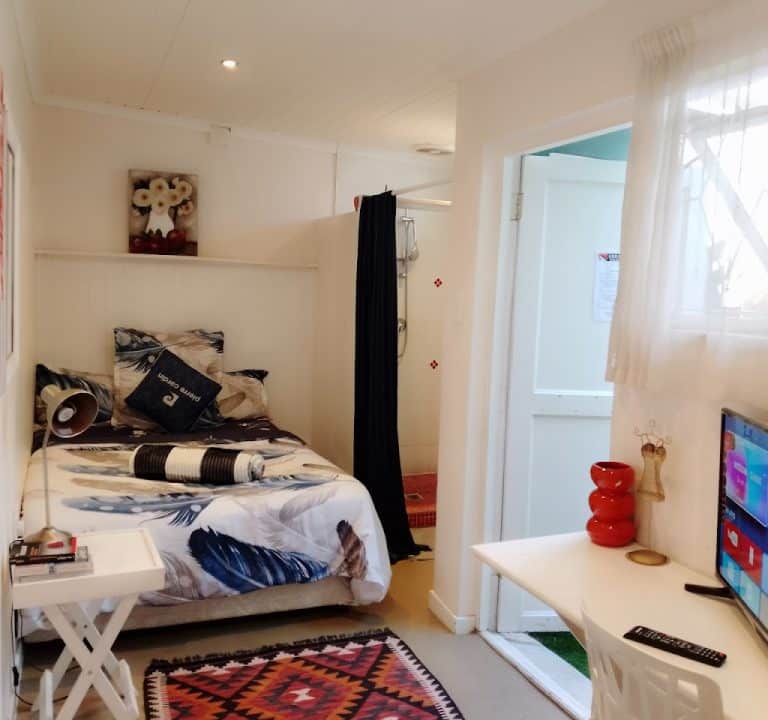
Cape Town, framed by the Atlantic and crowned by Table Mountain, offers a compelling mix of coastal scenery, urban energy and a rich cultural tapestry. For travellers seeking a comfortable base with easy access to sights, a guest house such as GREAT CHOICE GUEST HOUSE can be appealing thanks to its intimate atmosphere and personalised service. Whether you prefer a vibrant harbour neighbourhood, a peaceful hillside retreat, or a chic seaside village, there are options to suit most budgets and travel styles.
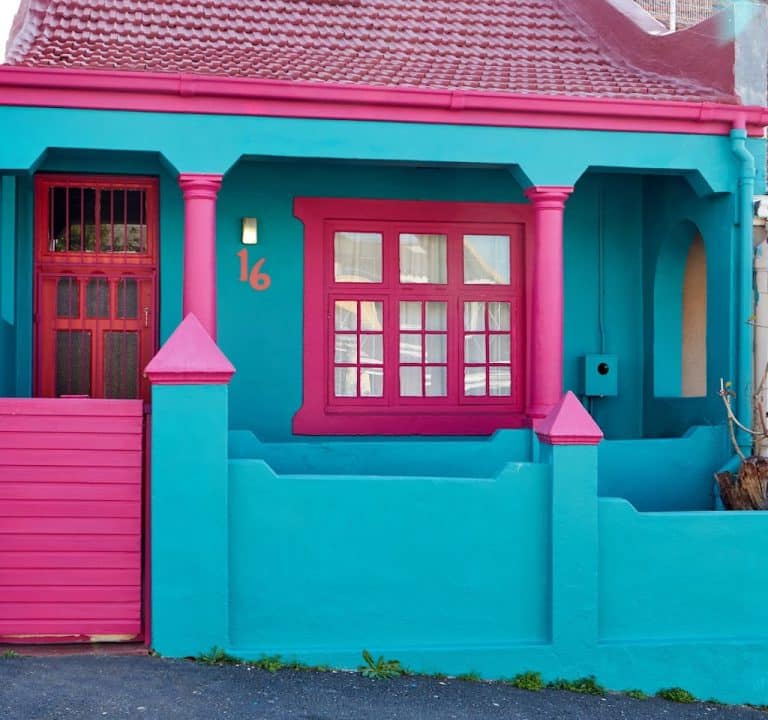
Areas to consider when planning your stay include central V&A Waterfront and the inner-city loop, the colourful Bo-Kaap with its steep streets, and the Southern Suburbs where lush gardens and expansive views feature prominently. If you want dramatic sea views and easy beach access, areas such as Camps Bay and Clifton are popular, though they tend to be pricier. For a more relaxed, family-friendly vibe with convenient transport links to the city and surrounding counties, the Constantia, Hout Bay, or Muizenberg neighbourhoods offer quieter options. Think about what you want to wake up to each morning: panoramic mountain scenery, harbour activity, or a calm neighbourhood street with cafés nearby.
When booking accommodation, look for a few practical details that can influence your stay. Confirm how far your lodgings are from the centre of town and from the return point for day trips. Consider transport options: whether the guest house offers shuttle services, how easy it is to access ride-hailing, or whether you’ll rely on car hire. For those who prefer not to drive, proximity to MyCiTi buses or train stations can be a decisive factor. Check whether parking is available if you plan to hire a car, and ask about security measures in place at night. In terms of room types, many guest houses offer en-suite bathrooms, reliable wifi, air conditioning or ceiling fans, and a light breakfast option. If you have specific needs, such as mobility access or space for a family, verify these in advance with the host.
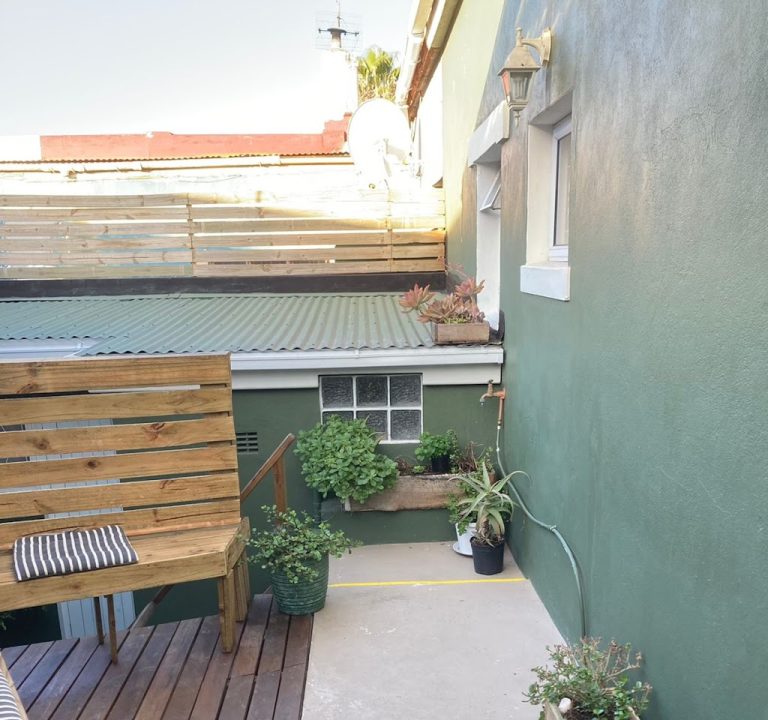
Typical amenities you might encounter include secure parking, daily housekeeping, and communal spaces such as a veranda or garden. Some properties offer self-catering facilities, which can be convenient for longer stays or when returning late from excursions. A good guest house will provide clear information about local attractions, recommended walking routes, and practical tips for navigating Cape Town’s varied neighbourhoods. If you value a personalised touch, look for hosts who can tailor recommendations to your interests—whether your focus is scenery, cuisine, history, or outdoor activities.
Best time to visit Cape Town depends on what you want from your trip. The summer months (December to February) are lively with festivals, longer days and excellent beach conditions, while spring (September to November) brings mild weather and the chance of wildflower displays in the surrounding regions. Autumn (March to May) offers cooler days and lower crowds, and winter (June to August) is quieter but still welcoming, with captivating coastal moods and good value on accommodation. If you are planning to hike or take cable cars to mountain viewpoints, weather conditions can matter, so it’s wise to check the forecast and have flexible plans.
Attractions in and around Cape Town span natural wonders, historic sites and modern culture. A cable-car ride up to a famous flat-topped summit delivers sweeping views of the city and the coast; a day spent among the dramatic cliffs of the coastline reveals a different side of the region. Within the city, you can explore museums and galleries that reflect South Africa’s diverse heritage, stroll historic districts with colonial architecture, and enjoy markets or street-food stalls that showcase local flavours. Beyond the city limits, wine estates in nearby valleys provide options for cellar tours and tasting experiences, while coastal towns offer a mix of water sports and scenic walks. For a well-rounded itinerary, plan a balance of outdoor activities, cultural experiences and relaxed meals at places that highlight regional ingredients without needing to travel far each day.
Restaurants in Cape Town range from casual diners to refined establishments that place freshness and seasonal produce at the forefront. Expect menus that celebrate seafood, grilled meats and South African classics, complemented by vibrant wines from the nearby wine routes. Many venues prioritise specialising in local ingredients, with options that cater to different dietary preferences. If you are staying in a guest house, ask for recommendations or a short list of trusted places nearby. There are plenty of versatile spots within walking distance of central lodgings and along the coastline where you can enjoy a leisurely lunch or a sunset drink as you plan the next day’s outing.
Practical tips for a smooth stay include budgeting time for travel between neighbourhoods, as road traffic and weather can affect journeys. Pack adaptable layers for morning and evening conditions, especially if you plan outdoor activities during shoulder seasons. Do a little reading ahead about safety and local etiquette, and keep valuables secure while exploring busy areas. Finally, don’t overlook the value of a well-planned day trip: a mix of natural beauty, historic insight and a taste of Cape Town’s culinary scene can make your visit feel well-rounded and deeply satisfying.
- Consider your priorities: city accessibility, beach proximity, or hillside serenity.
- Check transport options and parking before booking.
- Look for hosts offering informed local recommendations and practical tips.
- Balance outdoor days with lighter rest periods to avoid burnout.
For further inspiration and practical planning, you can visit official tourism sites or trusted travel guides to see current guidance and suggested itineraries. Cape Town’s unique mix of mountains, sea and human stories makes it a destination you’ll likely want to revisit, with each stay offering new discoveries and experiences.