Accommodation and hospitality in Cape Town: where to stay and what to do
Cape Town is a city of contrasts, where mountains meet the sea and neighbourhoods offer distinct flavours of South African life. When planning a stay, think about what you want to be close to: the urban buzz of the city centre, the scenic coastlines of the Atlantic Seaboard, or the leafy tranquillity of the Southern Suburbs. A mix of bed & breakfasts, guesthouses and boutique hotels can provide a comfortable base from which to explore, while offering distinct character and personal service that larger hotels may not matching.
Popular areas to consider include the City Bowl and the historic centre, which place you steps from museums, markets, and stylish eateries. The Atlantic Seaboard, including areas such as Camps Bay and Clifton, offers dramatic ocean views and easy access to long beaches and sunset walks. For a more local, relaxed atmosphere, Woodstock and Observatory provide creative hubs, craft coffee shops and a walkable lane of guesthouses and small inns. Each area has its own rhythm, so think about your priorities: easy beach access, dining and nightlife, or a quieter base from which to explore the surrounding wine routes and nature reserves.
When you book, look for a few practical amenities that can greatly improve a stay. En-suite bathrooms and reliable Wi‑Fi are common, but also check for off-street parking or convenient public transport access, especially if you will rely on Uber or MyCiTi buses. A generous breakfast or access to a kitchen area can save time in busy mornings. If you plan to work remotely or need quiet spaces, ask about work areas or rooms with good natural light and soundproofing. For families or groups, family rooms or suites with separate bedrooms can be a good fit. And if you count distance to attractions as important, review maps and travel times between your lodging and places you wish to visit each day.
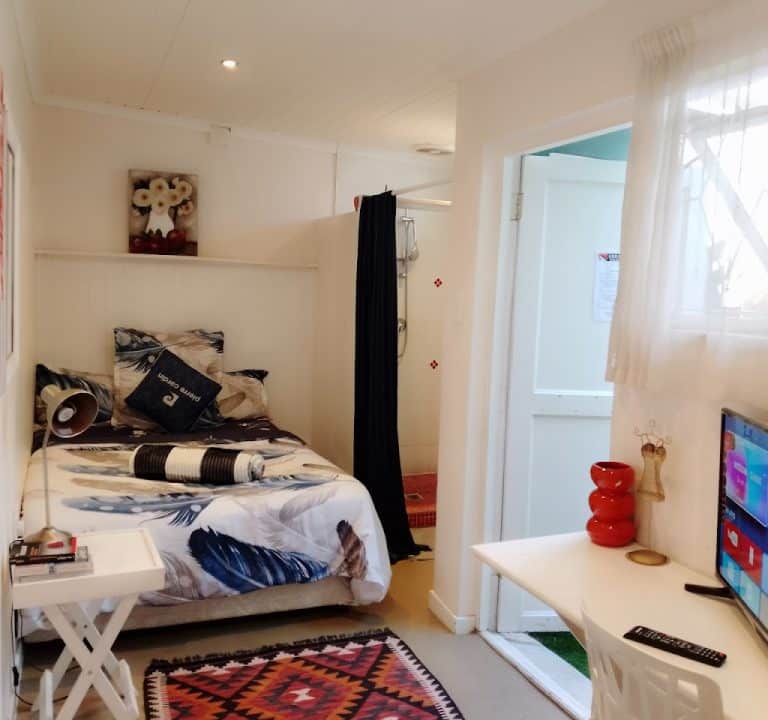
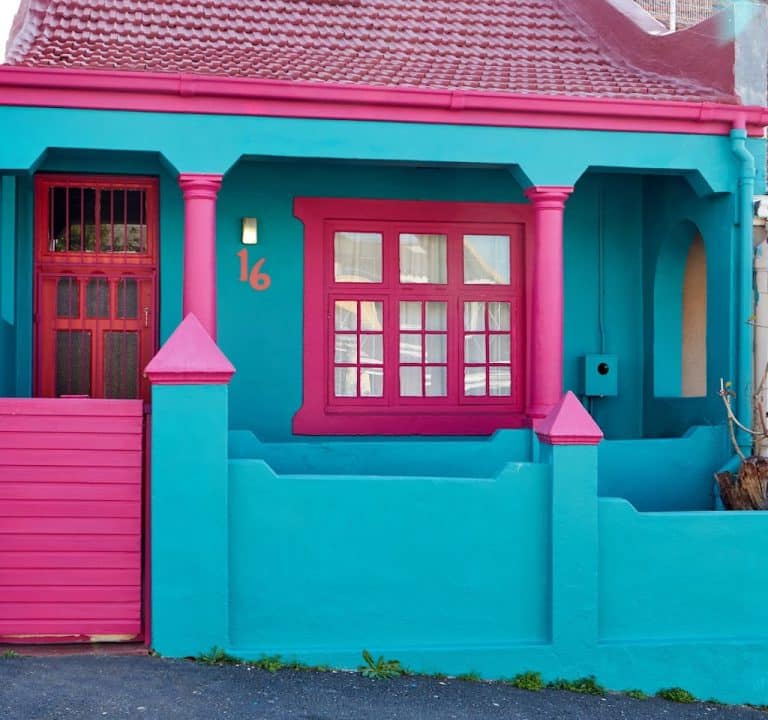
Typical accommodation types you might consider include charming B&Bs that offer personalised service and a home-from-home feel, guesthouses that provide a cosy, often compact setup with shared spaces, and boutique hotels that blend stylish interiors with attentive hospitality. A historic property may offer a sense of place and time, while newer will often provide modern conveniences and contemporary design. A notable example in the wider locality is a bed & breakfast in Woodstock, which can offer easy access to the city while staying rooted in a local, neighbourhood atmosphere. Always check recent reviews for updates on cleanliness, staff helpfulness, and the accuracy of listings.
Transport in Cape Town is varied. If you stay near the central areas or the Atlantic coast, Uber or local ride-hailing services are widely available and convenient for short trips to the V&A Waterfront, Table Mountain cableway base, or Kirstenbosch Botanical Gardens. The MyCiTi bus network is expanding and can be a budget-friendly option for exploring the city and surrounding suburbs. If you are renting a car, a comfortable and secure parking arrangement is worth confirming, since some areas can be busier than others and parking rules vary. For day trips, guided tours or private transfers can be arranged through accommodation hosts or reputable operators, often offering flexible itineraries to include Cape Point, the Cape Winelands, or the Cape Peninsula scenic routes.
Best time to visit Cape Town tends to be during the spring and autumn shoulder seasons—roughly September to November and March to May—when the weather is generally mild, and crowds are lighter than in peak summer. Winter months (June to August) can be cooler and wetter, but offer dramatic coastal scenery and fewer tourists, while summer (December to February) brings longer days and ideal beach conditions. If you are planning outdoor activities like hiking Table Mountain or visiting Robben Island, check the seasonal weather and sea conditions and book popular experiences in advance where possible.
Beyond accommodation, Cape Town offers a wealth of activities and experiences to suit varied interests. You can expect scenic drives along the coast, visits to world-renowned vineyards a short distance away, and opportunities to explore markets, art galleries, and museums. In the dining scene, you’ll find a broad mix of informal bistros and fine restaurants focusing on fresh seafood, South African barbecue (braai) flavours, and innovative fusion cuisine. Local eateries frequently emphasise seasonal produce, sustainability, and the region’s diverse culinary heritage. For families, couples, or solo travellers, the city provides options for day trips to nature reserves, penguin colonies along the coast, and cultural tours that reveal the world-class art and history of South Africa.
- Think about proximity to key sights (Table Mountain, the Waterfront, Cape Point) and select a base that reduces daily travel time
- Prioritise clear, detailed bookings that confirm breakfast options, parking, and amenity access
- Look for flexible cancellation policies, especially if your plans may change with weather or events
- Review guest reviews for information about cleanliness, staff friendliness, and responsiveness
- Consider a balance between a stylish, atmospheric stay and practical comfort for longer visits
For those seeking a sample of local hospitality, you might come across properties such as a well-regarded bed & breakfast in Woodstock, linked online for easy viewing and booking. While planning, you can visit the host’s website to verify current offerings, photos, directions, and nearby attractions. Always cross-check the latest travel advisories or season-specific tips to get the most out of your Cape Town itinerary.