Cape Town: Where to stay and what to explore in the Western Cape
A stay in Cape Town offers a blend of dramatic scenery, historic neighbourhoods, and a food and wine scene that feels endlessly energetic. Whether you prefer boutique guest houses perched above the city, family-friendly lodges along the Atlantic Seaboard, or quiet retreats in the Winelands, planning your stay around well-chosen bases will help you make the most of every day. As you search for a place to rest your head, think about how you will move about the city, what you want to see most, and the kind of pace you prefer for your holiday.
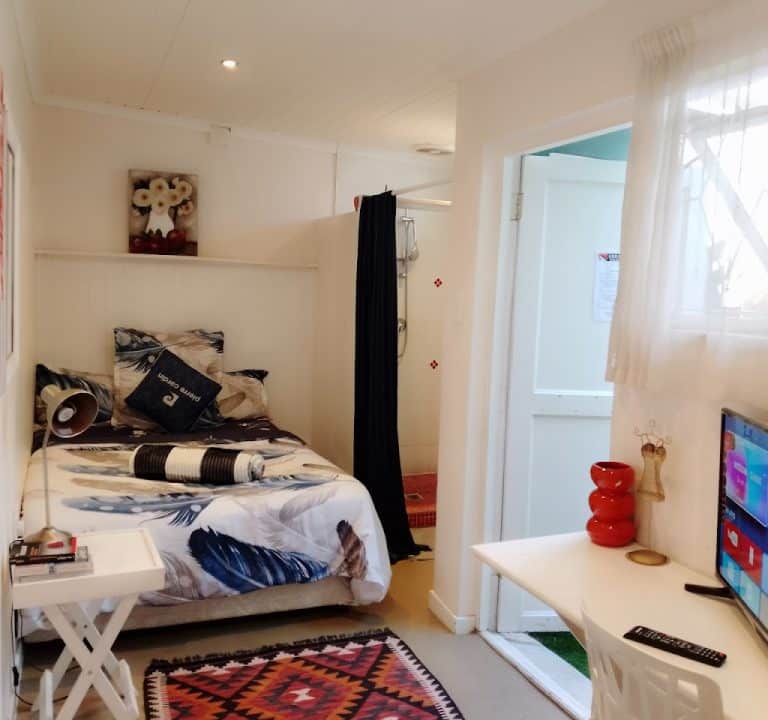
Amenities and accommodation styles in Cape Town range from intimate guest houses to stylish boutique hotels. If you’re seeking character and personalised service, a guest house such as Mamas Guest House can provide a homely base with local insights. In the city, you’ll find modern apartments with self-catering options, converted harbour-side lofts near the waterfront, and family-friendly lodges with secure parking. For a beach-centred stay, the Atlantic Seaboard offers stylish stays with sea views, while Constantia and the neighbouring winelands provide serene escapes framed by vineyards and mountain backdrops.
When choosing where to stay, consider proximity to the sights you want to prioritise. The City Bowl gives easy access to museums, markets, and ascents of Table Mountain via Platteklip or cable car routes. The Atlantic Seaboard delivers coastal scenery, long stretches of promenade, and quick access to scenic viewpoints. If you plan day trips to Cape Point or the Cape Winelands, a lodging near main routes or close to a reliable transport hub can save time. Look for guest houses and hotels with reliable security, clear house rules about access, and helpful staff who can offer practical tips for navigating Cape Town’s neighbourhoods.
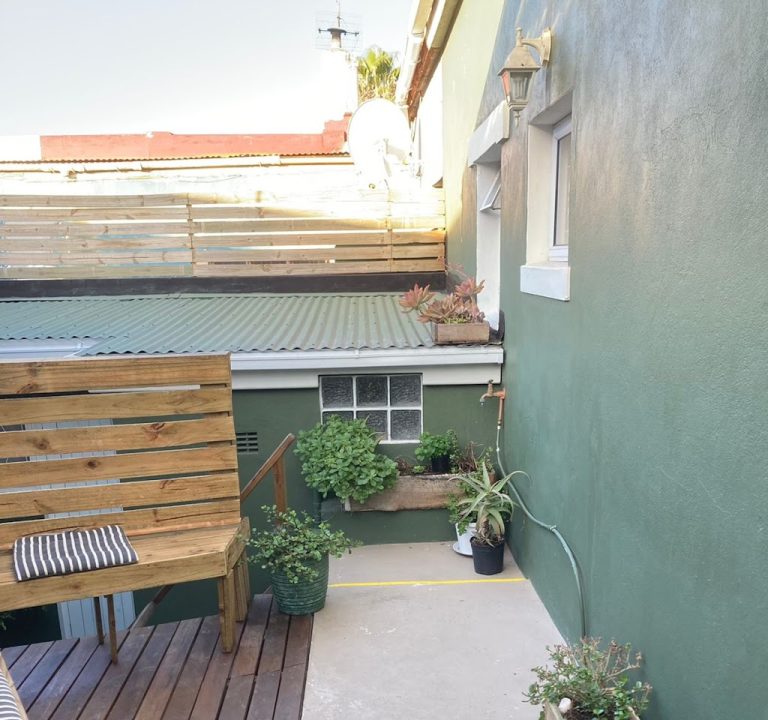
Typical amenities to look for include secure parking or convenient public transport access, complimentary Wi-Fi, breakfast options, a reading lounge or garden spaces, and straightforward advice on safe walking routes at night. For families, confirm that rooms can be configured for children, and that nearby dining options suit various ages. If you travel with a partner or friends, a well-equipped kitchen or self-catering facilities can be a real plus. For longer stays, a quiet work area and a reliable desk may be welcome features as you plan day trips or catch up on emails.
Getting around Cape Town is generally straightforward, but it helps to plan ahead. The city has a well-developed bus network and ride-hailing services. For scenic routes and day trips, a rented car offers flexibility, especially when visiting the Winelands, Cape Point, or the Cape Peninsula's coastal towns. If you prefer public transport, the MyCiTi bus system serves many central areas and tourist routes, while taxis and ride-hailing apps provide convenient options for evenings out. Your accommodation host can usually recommend safe walking routes and reliable transfer options from the airport to your base.
The best time to visit Cape Town depends on your priorities. South Africa’s seasons are opposite to those in Europe, so late-spring and autumn bring mild temperatures and pleasant conditions for outdoor activities. Summer days are bright and long, ideal for beach time and coastal hikes, but can be busier. Winter offers cooler weather with a chance of rain, yet the landscape is lush and there are fewer crowds at popular sites. Pack a versatile wardrobe, including layers for changeable conditions, comfortable walking shoes, and sun protection for peak midday hours.
Practical tips to help you enjoy a smooth stay:
- Book accommodation with easy access to major sights or transport hubs to minimise daily travel and maximise your time.
- Check reviews for guidance on noise levels, cleanliness, and host responsiveness, especially in central and busy neighbourhoods.
- Budget for tipping in line with local customs and remember that dining and experiences vary widely in price across the city.
- Be mindful of safety tips common to urban travel: keep valuables out of sight, use reputable transport, and stay in well-lit areas after dark.
Around the city, there are countless experiences to consider. You might begin with a cable-car ride up Table Mountain for panoramic views, followed by a visit to botanical and cultural spaces that reflect the region’s diverse heritage. Across the vibrant waterfront and nearby markets, you’ll find places to sample fresh seafood, leafy salads, and farm-to-table dishes that showcase local produce. On the eastern side of the city, the winelands region offers acclaimed estates and food-friendly tastings, where a day trip can combine scenery with sampling and a relaxed pace.
When planning meals and itineraries, remember that Cape Town is a destination with dynamic dining and casual street-side eateries to suit every budget. Restaurants range from proudly artisanal and seafood-focused spaces to modern bistros that highlight farm-to-table ingredients. Expect generous hospitality and a philosophy of taking time to enjoy meals and conversations, especially in neighbourhoods where locals gather for weekend brunches or sunset drinks.
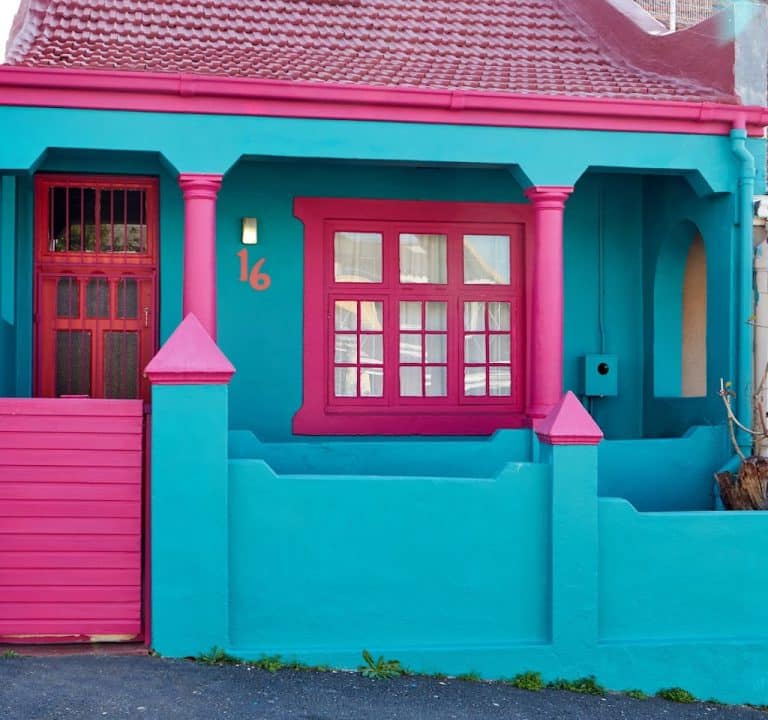
Top ideas for a balanced stay might include a few restful mornings in your guest house, followed by one or two landmark outings and a relaxed dinner in a well-regarded area. If you prefer a focused pace, anchor your stay in a single neighbourhood to reduce daily travel, then add day trips to Border regions or coastal towns as you wish. Cape Town rewards patient travellers who mix iconic sights with quieter moments—whether it’s a quiet garden, a hillside sunset, or a pastel-coloured street in a historic district.
In short, Cape Town offers a spectrum of accommodation and experiences that suit many travel styles. With careful planning around area choice, essential amenities, transport options and seasonal considerations, you can craft a stay that feels curated, comfortable, and uniquely memorable.