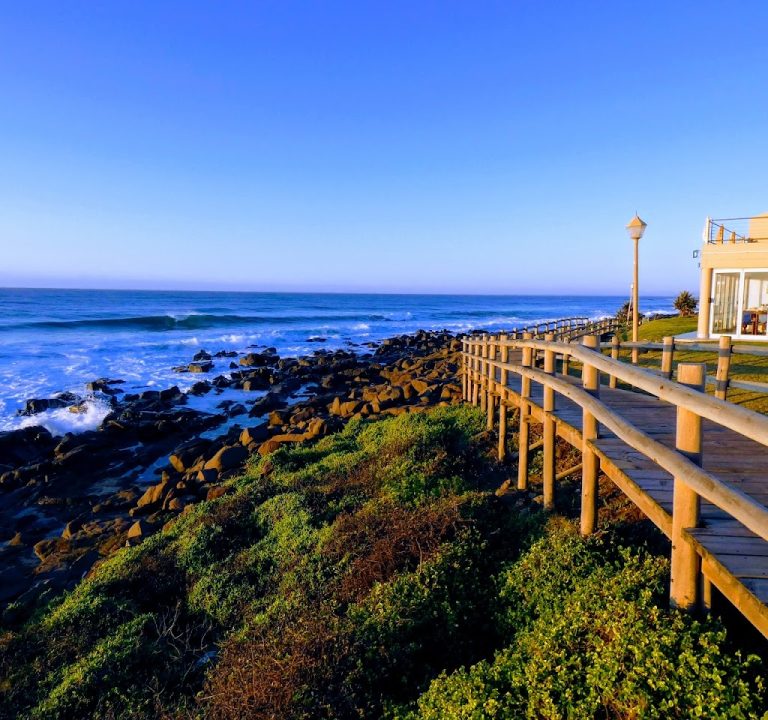
Accommodating the Dolphin Coast: Where to stay and what to do on KwaZulu-Natal’s sparkling stretch
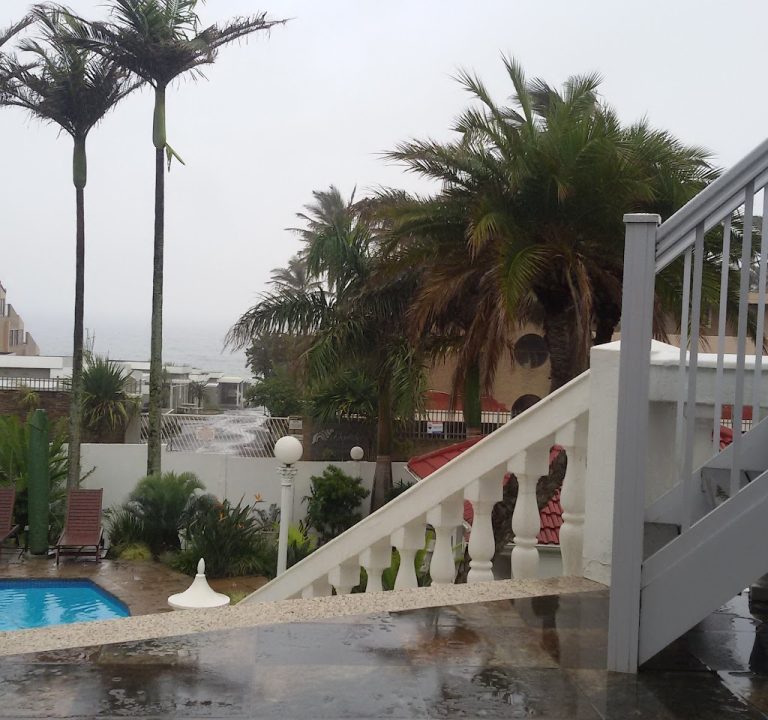
The Dolphin Coast in KwaZulu-Natal is famed for its sweeping beaches, laid‑back coastal towns and warm Indian Ocean waters. Whether you’re seeking a restful retreat, a family beach break or a chic couples’ escape, the coastline offers a range of accommodation that suits different budgets and styles. From bustling seaside towns to quieter villages, planning a stay here involves a little forethought about area, amenities and access to activities. A stay at Vallen Lodge 2, positioned within an indoor lodging setting, provides a convenient base from which to explore the coast and its surroundings. Visit the official site for details on rooms, facilities and access to local attractions: https://vallenlodge2.hotelonia.com/
Areas to consider when booking on the Dolphin Coast include the more dynamic hubs of Ballito and Umhlanga, where you’ll find a mix of stylish guesthouses, modern hotels, self‑catering apartments and family‑friendly resorts. For a quieter option, towns such as Salt Rock or Blythedale Beach offer a slower pace with direct beachfront access and less crowded shores. When choosing a location, think about what you want from your days: whether it’s long coastal walks, easy access to newspapers and coffee shops, or proximity to golf courses and nature trails. Some properties sit within gated estates with on‑site security and communal facilities, while others are boutique inn‑style options that prioritise personalised service and intimate spaces.
Typical amenities you may encounter include private balconies or patios with sea views, air‑conditioning or fans for hot coastal nights, free parking, and reliable Wi‑Fi. Many properties offer generous pools, outdoor lounges, and easy beach access. Family‑friendly lodgings might provide kid‑safe pools and play areas, while couples’ escapes often include spa facilities or in‑room indulgences. When booking, look for flexible cancellation policies, especially in shoulder seasons, and check the proximity to beaches, shops, and restaurants. If you’re driving, confirm the availability of on‑site parking or nearby safe alternatives. For travellers using public transport or ride‑hailing services, consider properties with easy access to main roads or local taxi options to minimise legwork after a day out exploring.
Transport on the Dolphin Coast is well served by the N2 corridor and regional roads linking Ballito, Tongaat and Umhlanga. The KwaZulu‑Natal coast is close to King Shaka International Airport, which is ideal for international and domestic arrival. Renting a car is convenient for exploring up and down the coast at your own pace, including detours to inland attractions and nature reserves. If you prefer not to drive, many accommodation providers can arrange trusted transfer services or offer guidance on local taxi options. Coastal roads usually have clear signage, but during peak season you may encounter traffic around popular beaches and shopping hubs, so planning a little extra time for journeys is wise.
The best time to visit the Dolphin Coast is somewhat seasonal. The summer months (roughly November to February) bring warm sea temperatures ideal for swimming, snorkelling and enjoying long beach days; they’re also the busiest with school holidays. Winter, from June to August, offers milder days and often clearer skies, appealing to walkers, golfers and wildlife enthusiasts who favour the region’s more tranquil rhythms. The shoulder periods—spring and autumn—often provide comfortable weather and quieter beaches, along with more convenient rates for accommodation. If you plan trips to natural reserves or marine experiences, check local weather windows as conditions can influence outdoor activities such as diving, fishing and boat trips.
Plan your days around a mix of beach time, dining, and light excursions. The Dolphin Coast offers opportunities to stroll along broad sandy shores, swim at lifeguarded beaches where available, and enjoy family‑friendly activities such as tide pools, splash pads and nature trails. For a taste of local culture without hunting for distant crowds, look for markets, art galleries and small cafés in the main coastal towns. Dining on the coast tends to be casual and light, with an emphasis on fresh seafood, grills and fusion dishes influenced by Indian Ocean culinary traditions. When selecting restaurants or eateries, it’s often wise to check for daily specials, seasonal menus and whether reservations are recommended during weekends or peak holiday periods.
Practical tips to make the most of a Dolphin Coast stay:
- Book early for peak season and school holidays to secure your preferred area and property type.
- Consider a property with direct beach access if swimming and sunbathing are high on your agenda.
- Check parking arrangements and security features, especially in busier towns.
- Ask about on‑site facilities such as pools, grills, and laundry gear if you’re travelling with children or a longer stay.
- Look for units with equipped kitchens or kitchenettes to simplify meal planning and save on dining out.
- Evaluate proximity to beaches, shops, and medical facilities in case of minor needs during your stay.
In terms of activities, you can structure days around beach mornings, followed by relaxed lunches and afternoon strolls along promenades or coastal paths. If you’ll be exploring inland or venturing to nearby towns, a map or a suggested driving route can help you make the most of your time. While it’s easy to fall into a rhythm of sun, sea and sand, mixing in a few cultural or nature‑based experiences—such as a guided nature walk, a local craft market, or a scenic coastal drive—adds depth to your visit without imposing strict itineraries.
Ultimately, a stay on the Dolphin Coast is about balance: comfortable, well‑located accommodation, easy access to the shore, and enough variety in nearby attractions and dining to keep every day engaging. Whether you’re drawn by serene mornings on the beach, child‑friendly seaside days, or easy access to golf courses and nature reserves, the coastline offers a flexible base for a memorable KwaZulu‑Natal escape.