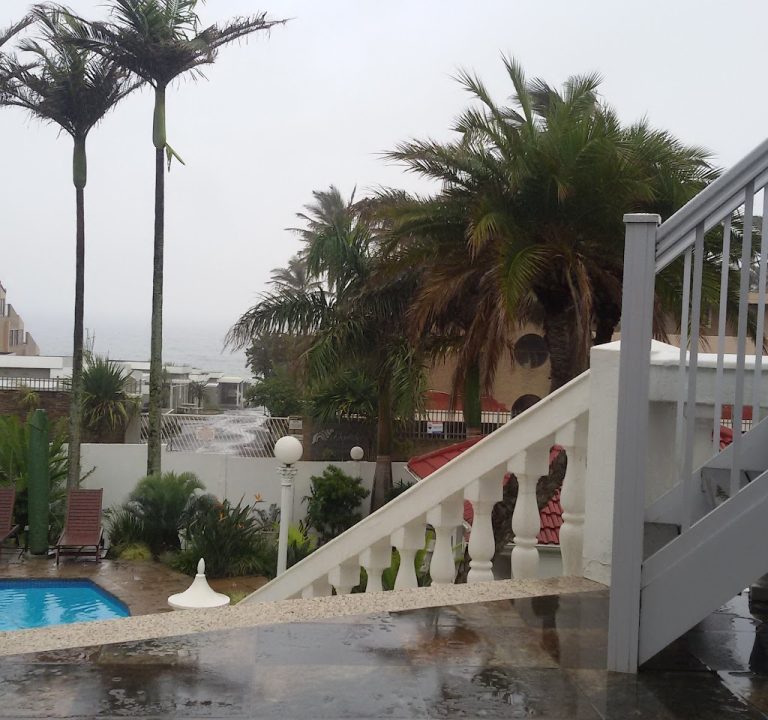
Accommodation and planning your stay on Dolphin Coast, KwaZulu‑Natal
The Dolphin Coast of KwaZulu‑Natal offers a relaxed, sun‑kissed setting where palm-lined beaches meet warm Indian Ocean waters. With towns such as Ballito and surrounding villages dotting the coastline, you’ll find a range of stays from coastal retreats and self‑catering apartments to boutique guesthouses and family‑friendly hotels. Whether you’re after a carefree beach break, a base for exploring rugged coastlines, or a comfortable stopover while you tour the region, this stretch of KwaZulu‑Natal has something to suit every traveller.
Choosing where to stay on the Dolphin Coast comes down to how you want to balance beach access, privacy, and activities. Ballito, with its long promenade and easy amenities, is a popular hub for families and couples who value convenience and a lively but civilised atmosphere. Salt Rock and Shakas Head offer a quieter, more residential vibe, while Tongaat and surrounding towns provide a closer feel to the rural hinterland and inland attractions. If you plan day trips along the coast, selecting a base near the middle of the region can minimise long drives.
When booking, look for properties that align with your plans. For beach‑front stays, ask about access to a private path or easy dune routes to the sand. If you prefer a quiet retreat, opt for a garden‑oriented or poolside setting away from busy streets. Check whether the accommodation offers self‑catering facilities if you’d like the flexibility to prepare simple meals, or whether a restaurant on site or nearby is convenient for evenings. Proximity to shops, markets, and laundries can be a real timesaver for families and longer stays.
Typical amenities you may encounter include well‑equipped kitchens or kitchenettes, free Wi‑Fi, parking, and a private balcony or veranda with sea or garden views. Some properties provide infant gear, BBQ / braai facilities, and access to communal lounges or laundry rooms. If you’re planning outdoor adventures, enquire about late check‑outs or luggage storage to keep your day flexible without rushing back to your room. For those who value eco‑mavour, check for properties with responsible waste management and water‑saving practices.
Transport around the Dolphin Coast is generally straightforward. The area is connected by well‑maintained coastal roads, with the major access route from the N2 into Ballito or Tongaat. A car hire is often the simplest way to explore at your own pace, especially if you want to visit beaches, inland reserves, or regional markets. Public transport options exist but may be less frequent, so budgeting travel time is wise. If you’re flying in, the closest international gateway is usually a road‑journey away; consider arranging airport transfers with your accommodation or a trusted operator in advance.
The best time to visit the Dolphin Coast depends on what you’re after. The region enjoys a warm, subtropical climate with plenty of sunshine most of the year. Summer (roughly October to March) brings heat and humidity with afternoon showers, ideal for swimming and water activities. Winter (April to September) is mild and dry, perfect for beach strolls, golf, and hiking, with cooler evenings suitable for cosy meals. Dolphin sightings and marine life can be seasonal, so if wildlife watching is a priority, plan around local reports and seasons. Pack sun protection, a light rain layer, and comfortable walking shoes for coastal paths and markets.
Attractions along the Dolphin Coast are varied and accessible. Expect a mix of family‑friendly beaches, scenic coastal walks, and stretches of lagoons that are excellent for calmer swims and birdwatching. The region is also a good launchpad for nature reserves and inland scenery, including rolling farmland and forested hillshed. While staying in Ballito or nearby towns, you’ll likely encounter a thriving dining scene offering fresh seafood and contemporary South African cuisine. Look out for relaxed cafés by the promenade, family‑friendly taverns, and more upmarket restaurants that celebrate local produce. For a day out, consider guided nature walks, a coastal stroll at sunset, or a gentle boat outing where available, always observing local guidelines about marine life and safety.
Planning tips to help you make the most of your stay:
- Book in advance for peak seasons and school holidays to secure seaside locations and preferred room types.
- Ask about beach access, parking rules, and access for children or mobility needs.
- Confirm cancellation policies, especially for longer stays or peak periods.
- Check for inclusive amenities such as daily housekeeping, Wi‑Fi quality, and kitchenette equipment.
- Look for properties with flexible check‑in/out where possible, particularly if flight times are variable.
Practical tips for a smooth stay: arrive early on arrival day to familiarise with the area, especially if you’re driving; keep a light route map for day trips, and identify a few reliable supermarkets or markets for supplies. Respect local etiquette around beaches—observe safety flags and respect wildlife, keeping noise to a considerate level in quiet residential zones. Tipping is appreciated in line with local customs, particularly for hospitality staff, bar teams, and cleaners. Finally, plan one or two relaxed days in your itinerary to enjoy the coast at a slower pace, leaving room for spontaneous discoveries such as a sunset walk, a market evening, or a casual meal by the sea.
For inspiration on where to stay or to sample Ballito’s seaside character, you’ll find a range of accommodation options online, from boutique guesthouses perched above the dunes to self‑catering apartments with direct access to the beach. With careful planning, your Dolphin Coast stay can be a balanced blend of restful downtime, coastal exploration, and gentle adventure that makes the most of KwaZulu‑Natal’s warm hospitality and coastal beauty.