Discover Dolphin Coast: Accommodation, Attractions and Planning Your Stay
The Dolphin Coast of KwaZulu-Natal is renowned for its sweeping beaches, subtropical climate and a relaxed, hospitality-forward vibe. Spanning a coastline that includes lively towns and quieter coastal enclaves, it is a destination where visitors can mix leisurely beach days with nature walks, family-friendly activities and easy access to nearby inland attractions. When planning a stay, consider how you want to balance relaxation with exploration, and which stretch of the coast best suits your interests and travel style.
Accommodation options along the Dolphin Coast range from stylish beachfront hotels and self-catering apartments to intimate B&Bs and purpose-built lodges. Many properties place guest comfort at the forefront, offering kitchen facilities, private terraces, pools or direct beach access, and staff who can help arrange tours or local dining recommendations. For a more rural or secluded experience, look for lodges set inland or in greenbelt areas where you can enjoy birdlife, hiking trails and panoramic views, with easy access to the coast for days by the sea.
Areas to consider when booking:
- Beachfront or near-beach locations for convenience and long coastal walks.
- Family-friendly zones with calm waters, shaded patios, and easy access to playgrounds or parks.
- Quiet residential pockets for a tranquil retreat and personalised service from smaller inns or B&Bs.
- Gated or secure complexes with communal facilities such as pools, braai areas and kid-friendly amenities.
What to look for when you book a stay:
- Distance to the beach and the preferred activities (swimming, surfing, snorkelling, or beacheside hiking).
- Accessibility and parking arrangements, especially in peak season when streets can become busy.
- Security features, including gated access and well-lit common areas, for peace of mind.
- Amenities that suit your needs—kitchens for self-catering, laundry facilities for longer trips, and efficient Wi-Fi for remote work or planning.
- Guest reviews that mention cleanliness, service consistency and the responsiveness of staff.
Typical amenities you may encounter include well-equipped kitchens or kitchenettes, air conditioning or ceiling fans for the subtropical heat, private or communal pools, balconies with sea or garden views, and in some cases braai (barbecue) facilities. A number of properties offer organised activities or partnerships with local operators for nature trails, dolphin watching, or guided cultural experiences. If you rely on public transport or wish to travel to nearby towns, check whether the property provides shuttle services or advice on reliable local transport options.
Transport and getting around your stay:
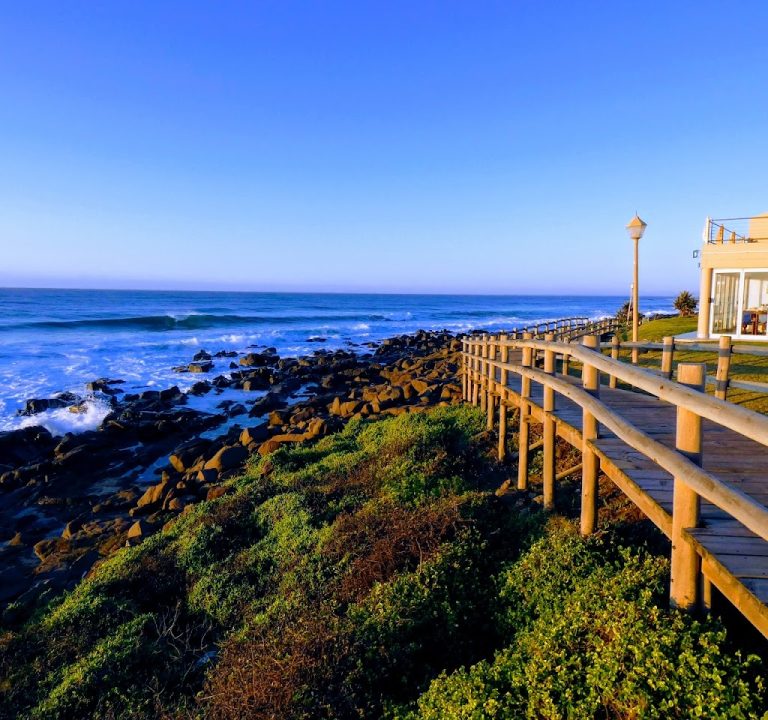
A car is often the easiest way to explore the Dolphin Coast and the wider KwaZulu-Natal region, giving you the freedom to saunter along the coast, visit inland reserves or detour to nearby towns. The major routes are well-maintained, with straightforward access to main beaches and commercial hubs. If you prefer not to drive, look for accommodation near bus routes or with convenient access to taxis or ride-hailing services. For day trips, you can plan coastal drives that stop at viewpoints, with opportunities to stretch your legs on short nature walks or boardwalks along the shore.
The best time to visit generally aligns with subtle seasonal shifts. The coast enjoys a warm subtropical climate, making most months pleasant for beach time and outdoor activity. Winter (June to August) brings cooler evenings and comfortable daytime temperatures, often with clearer seas ideal for certain water sports. Summer (November to March) is hotter and can be busier with holidaymakers; this season is great for long beach days and ocean activities. Spring and autumn typically offer milder weather and quieter streets, which can be perfect for a more relaxed pace while still providing ample opportunities to enjoy outdoor pursuits.
Practical tips for a smooth stay:
- Book early for peak holiday periods and long weekends, especially if you favour beachfront properties or specific bed types.
- Read cancellation and refund terms carefully, as policies vary between small B&Bs and larger hotels.
- Pack sun protection, light clothing for daytime, and a light jacket for cooler evenings near the coast.
- Bring reusable water bottles and bags to keep trips eco-friendly and cost-effective.
- Plan a mix of beach days, nature walks, and gentle exploration of nearby towns to balance activity with downtime.
- Check local dress codes and guidelines for areas that protect wildlife or sensitive environments.
Attractions and dining in general terms include long sandy beaches suited to families and watersports enthusiasts, nature reserves and coastal viewpoints ideal for photography and birdwatching, and local dining concepts that focus on fresh seafood, regional produce and casual South African fare. When planning meals out, consider a mix of relaxed cafés, family-friendly eateries and well-reviewed restaurants that prioritise quality ingredients and a warm, welcoming atmosphere. It’s worth reserving a table during peak periods, particularly on weekends or public holidays, to avoid disappointment.
For more ideas and updates on visitor information, you can explore official tourism resources and regional guides that cover the Dolphin Coast and KwaZulu-Natal. A well-planned stay with flexible itineraries will help you enjoy the coast’s beaches, wildlife glimpses, and hospitality at a comfortable pace.