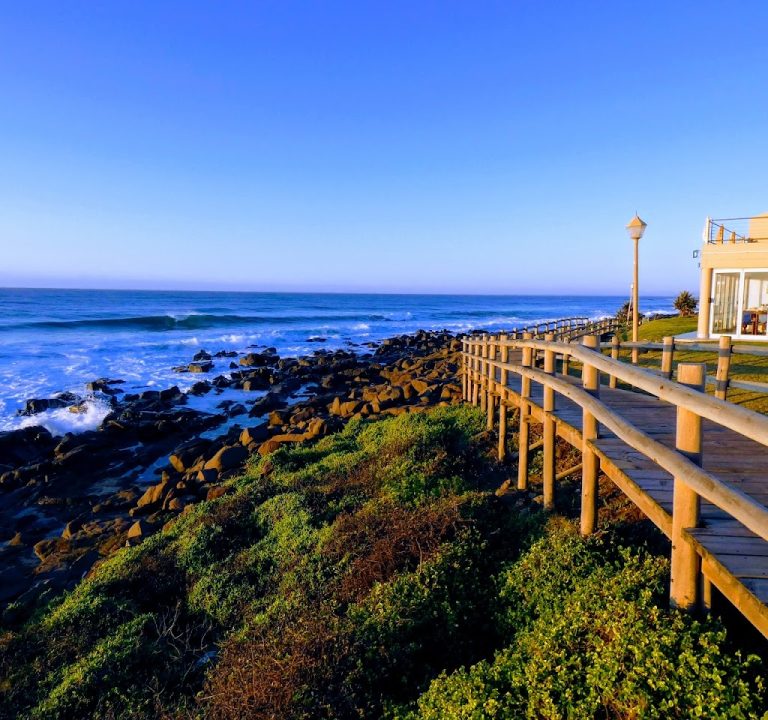
Discovering Dolphin Coast, KwaZulu-Natal: Where to stay, what to do and how to plan your visit
Stretching along the Indian Ocean north of Durban, the Dolphin Coast offers a relaxed Malawian-like pace with the conveniences of a modern coastal destination. Its shoreline ranges from sandy beaches and sheltered coves to rocky outcrops, backed by subtropical vegetation and family-friendly attractions. For travellers seeking a blend of comfortable accommodation, easy access to coastline activities and convenient day trips, this region provides a appealing mix of options and experiences.
Accommodation on the Dolphin Coast spans a variety of styles to suit different budgets and preferences. You’ll find everything from boutique guesthouses and self-catering apartments to mid-range hotels and family-friendly lodges. The choice often comes down to location and how you plan your days: a beachfront base can maximise the sea swims and sunset strolls, while a hilltop or inland location can offer sweeping views and a quieter atmosphere. When planning your stay, consider whether you prefer direct beach access, a central spot with supermarkets and restaurants nearby, or a tranquil retreat a short drive from the coast.
Areas to consider for your stay include popular coastal towns and villages that each have their own character. Beachfront zones near main swimming beaches typically provide a lively atmosphere, with easy access to patrolled waters, strollable promenades, and family-friendly eateries. Inland or elevated areas often enjoy cooler breezes and more expansive views, making them ideal for longer stays or a peaceful base for day trips. For those seeking a balance, several towns offer a mix of accommodation types, welcoming local hospitality, and convenient access to both sea activities and hinterland adventures.
Typical amenities to look for when booking include reliable Wi‑Fi, air conditioning or fans, comfortable bedding, secure parking, private balconies or verandas, and well-equipped kitchens if you’re opting for self-catering. A guesthouse or lodge with a lovely communal lounge or garden can be a boon for social travellers, while a hotel with a pool and on-site dining helps with convenience. For families, check for child-friendly facilities such as shallow pools, safe play areas, and easy beach access. If you’re exploring with a vehicle, confirm parking arrangements and proximity to main roads, as some towns have narrow lanes and limited on-street parking in peak seasons.
Transport is straightforward for most visitors. The Dolphin Coast is approachable by road from King Shaka International Airport, with a straightforward drive along the N2 corridor and coast road. If you plan to stay in a place not directly on the beachfront, having a car can be convenient for exploring nearby towns, beaches, and natural attractions. Local taxis and ride-hailing services are typically available in larger towns, while some guesthouses offer shuttle options or can assist with arranging day tours. If you’re visiting during peak holiday periods, consider allocating a little extra time for traffic or busy beaches, especially on weekends and public holidays.
The best time to visit the Dolphin Coast depends on your priorities. The region enjoys a subtropical climate with warm summers and mild winters. Summer (roughly October to April) brings longer days, excellent swimming conditions, and lush coastal scenery, but it can be humid and busy. The cooler dry season (May to September) offers pleasant daytime temperatures, good beach walks, and quieter beaches, though water for swimming can be cooler. Whale watching is possible during the migration seasons when whales frequent the coastline, and marine life spotting is common along rocky shores. Plan your outdoor activities around favourable tides and weather windows, and always check local conditions for swimming safety and tide timings.
When planning activities, you don’t have to limit yourself to the beach. The Dolphin Coast is a gateway to scenic coastal trails, nature reserves, and wildlife experiences that are accessible in day trips. Short drives can bring you to inland forests, viewpoints, and river valleys where you can hike, picnic, or simply enjoy a different rhythm of nature. Water-based activities such as snorkelling, paddle boarding, or safe beach swims are popular, with equipment often available for hire through accommodation providers or local operators. For meals, you’ll find a coast-wide mix of casual eateries, cafes, and more refined dining options. Many places offer locally-inspired dishes, fresh seafood, and vibrant cafes where you can relax after a day of exploring.
Practical tips to help you make the most of your stay:
- Book accommodation with easy beach access if your primary aim is swimming and sunset walks; for quieter evenings, choose inland or elevated locations.
- Check for on-site parking, security, and accessibility features if you plan to explore with family or a group.
- Consider a stay with a kitchen or kitchenette to enjoy relaxed meals in the comfort of your own space.
- Plan day trips to nearby towns and natural areas, and leave room for spontaneous stops along the coast.
- Pack sun protection, light layers for cooler evenings, and comfortable walking shoes for trails and urban explorations.
- Visit in shoulder seasons for more tranquillity and steady weather, while still enjoying decent swimming conditions.
Whether you’re seeking a laid-back seaside break, a convenient base for coastal exploration, or a family-friendly retreat with easy access to amenities, the Dolphin Coast delivers a welcoming, relaxed atmosphere paired with the natural beauty of KwaZulu-Natal. For more information and ideas on places to stay and things to do, you can explore the regional tourism websites and individual accommodation providers that capture the spirit of this coast.