Discovering Johannesburg: Accommodation, dining and a practical guide for visitors
Johannesburg in Gauteng offers a vibrant mix of cosmopolitan neighbourhoods, cultural landmarks and a thriving food and nightlife scene. Whether you are visiting for business, a city break, or a longer exploration of South Africa’s urban culture, choosing the right base makes a big difference to your experience. The city’s accommodation ranges from stylish boutique hotels and contemporary guesthouses to budget-friendly hostels and self-catering apartments, with easy access to major transport routes and public transport options.
When planning your stay, consider the areas that suit your interests and pace. Sandton and Rosebank are popular for business travellers and shoppers, with well-connected transport links and a concentration of hotels and serviced apartments. Braamfontein and Maboneng are ideal for travellers drawn to arts, culture and nightlife, offering walkable streets, galleries and a growing cluster of restaurants. Melville and Newtown provide a more relaxed, laid-back atmosphere with smaller guesthouses and guest rooms close to cafés and casual venues. If you are seeking leafy, residential tranquillity with easy access to the city, consider central neighbourhoods such as Johannesburg city centre or nearby Sandton suburbs for a balance of convenience and character.
What to look for when booking rests on a few practical considerations. Accessibility is important if you plan to explore on foot or rely on public transport. Look for properties that are near a rail link or major bus routes, and check whether parking is included if you are travelling by car. Bed options, breakfast arrangements and room types vary widely; many guests appreciate contemporary rooms with en-suite bathrooms, reliable Wi‑Fi, air conditioning or heating, and secure access. For longer stays, consider serviced apartments or guesthouses that offer kitchen facilities or self-catering options. Safety, cleanliness and a local host or desk staff who can advise on traffic and transport tend to make a big difference in Johannesburg.
Typical hotel and guesthouse amenities to expect include daily housekeeping, 24-hour reception or on-site staff, continental breakfasts or fully equipped kitchens, and sometimes laundry facilities. Some properties provide limited services such as shuttle arrangements, on-site bars or guest lounges, and guidance on day trips to nearby sites. If you are planning a longer visit, you may value a complimentary airport transfer or easy access to car hire services, as some parts of the city are easier to navigate with a vehicle.
Transport in Johannesburg is well supported by a network of taxis, ride-hailing apps, and buses. The Gautrain connects Johannesburg to Pretoria and the airport, making day trips practical for travellers who prefer not to drive. If you intend to use public transport frequently, select a property with easy access to a Gautrain station or bus hub, and be mindful of peak travel times. For those who choose to drive, check whether on-site parking is secure and whether there are restrictions or fees in the area you plan to stay in.
The best time to visit Johannesburg is influenced by the climate and local events. The city enjoys warm summers with afternoon thunder showers, and cooler, drier winters. Many travellers prefer the spring and autumn shoulder seasons for milder weather and more manageable crowds. If your schedule permits, you can align your stay with cultural festivals or markets often hosted across different neighbourhoods, which provide a window into Johannesburg’s diverse culinary and creative scenes.
Food and dining in the city offer a broad spectrum—from modern bistros and casual eateries to traditional restaurants and street-food-inspired venues. In general terms, you will find a mix of contemporary cuisine, international flavours and South African favourites. For a balanced experience, plan to explore several areas where cafés, small eateries and bakeries cluster, allowing you to sample a flavour of the city without committing to a single long evening out. If you prefer a guided approach, many neighbourhoods offer walking routes or food-focused experiences that pair local dishes with historical context.
Practical tips to help you make the most of your stay include booking in advance during peak periods and checking the property’s guest policy on breakfast, cancellation, and Wi‑Fi. Read recent guest reviews to gauge the consistency of service, noise levels, and the responsiveness of staff. Bring a travel adaptor and a compact bag for day trips, and plan a flexible itinerary that includes some quieter mornings to rest if you are balancing meetings with sightseeing. If you are visiting with family or friends, consider multi-bedroom apartments or interconnected rooms to maintain privacy alongside social spaces.
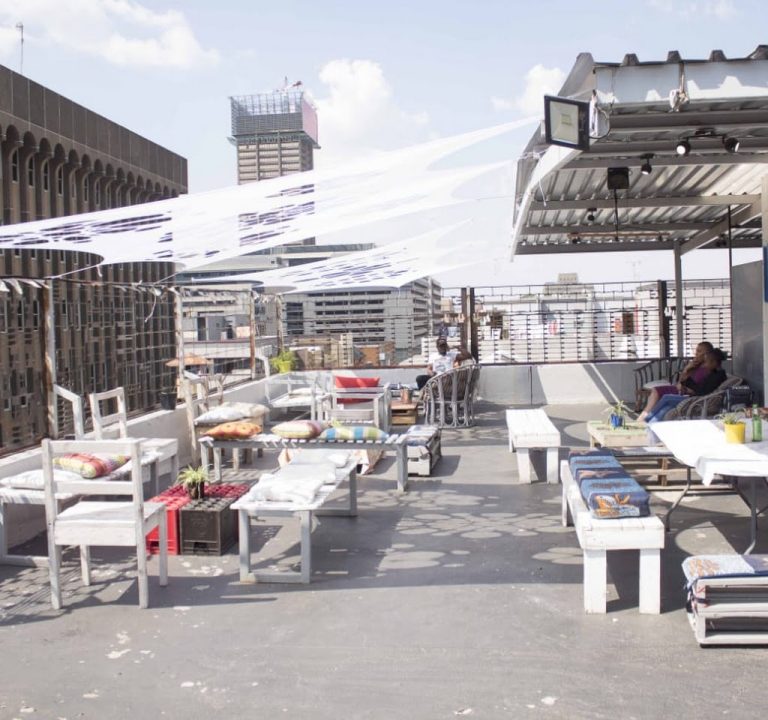
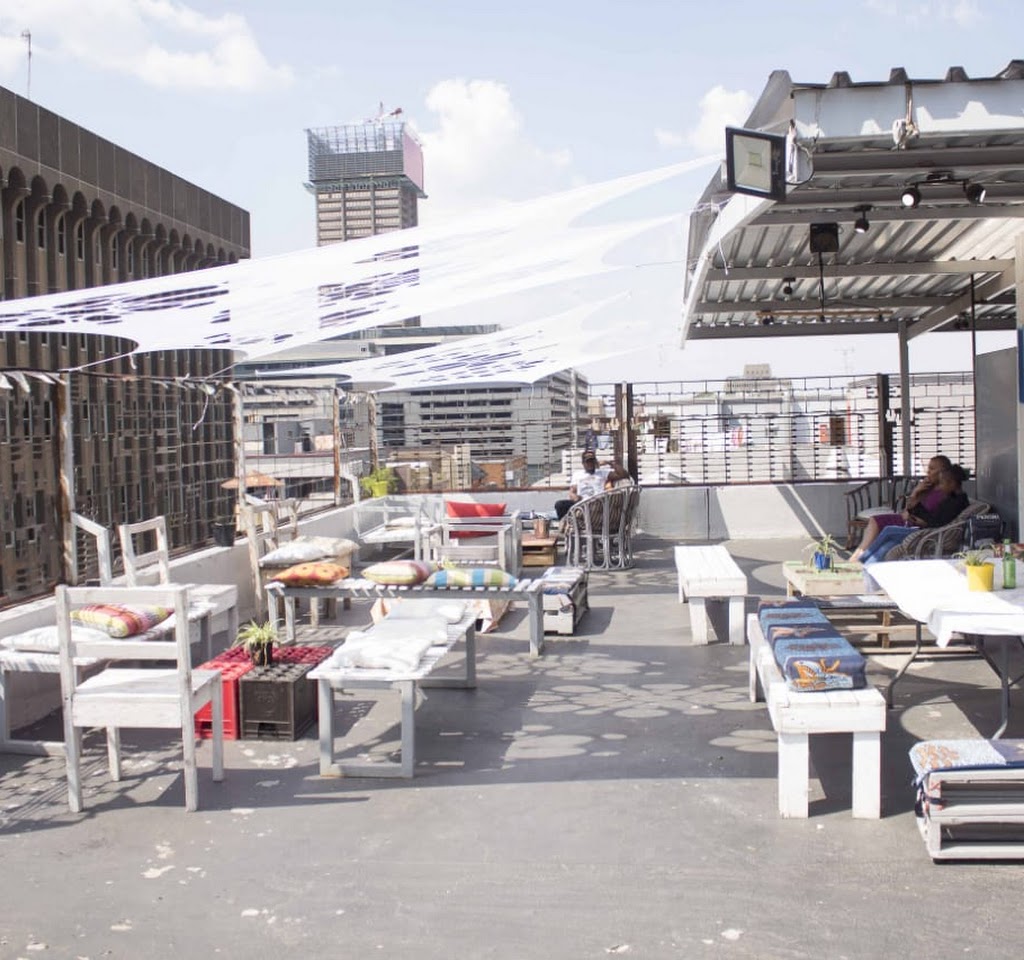
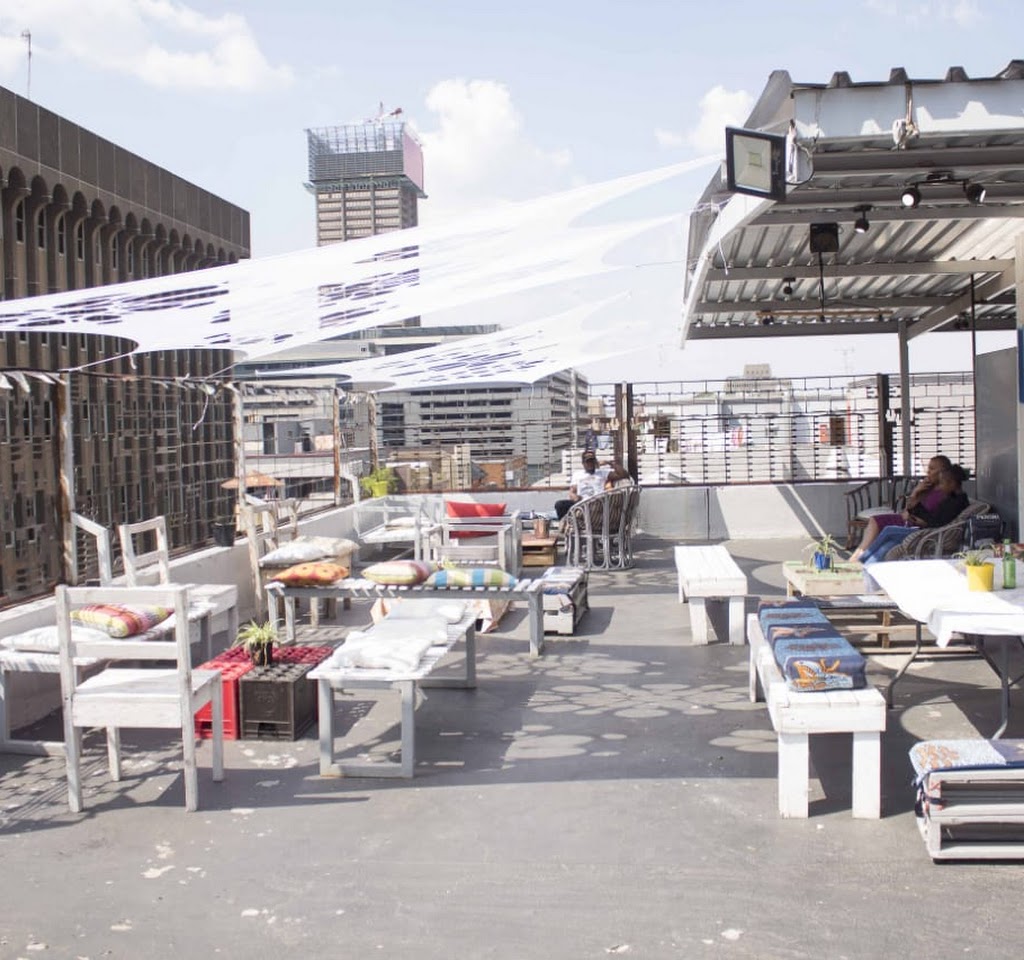
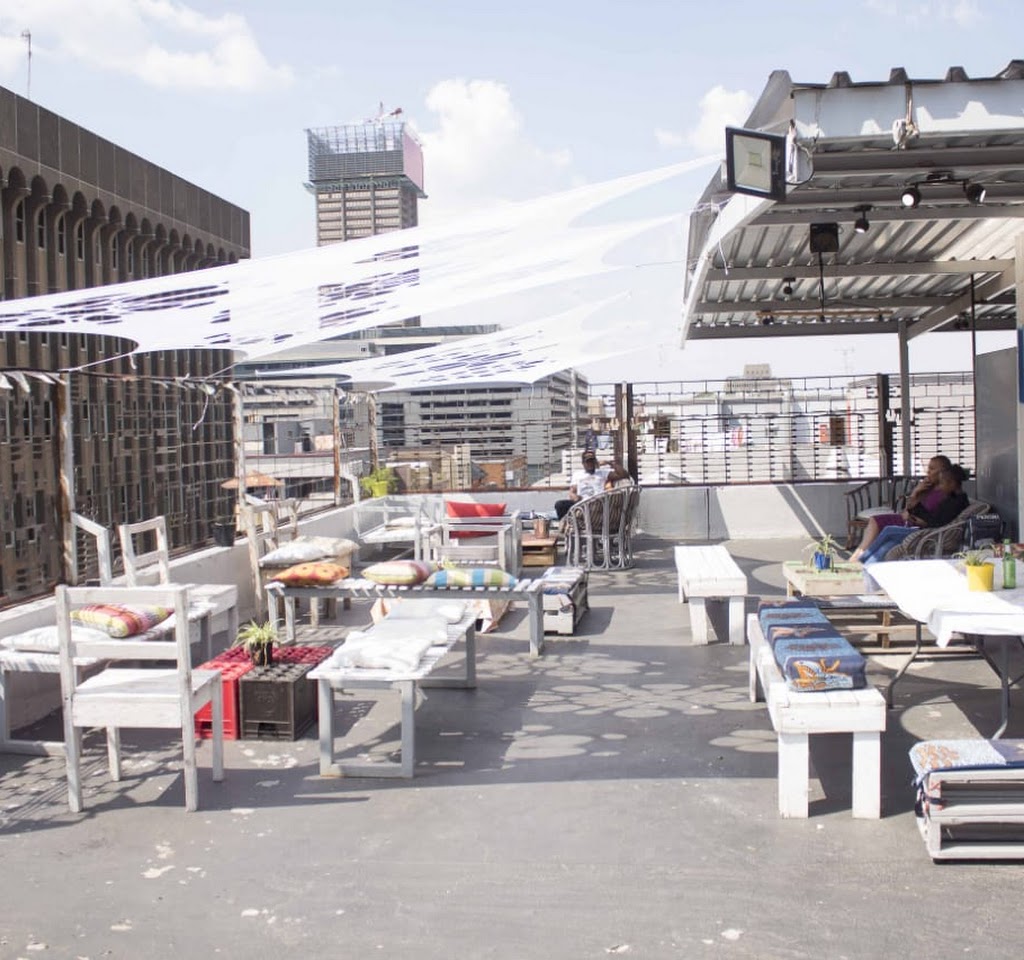
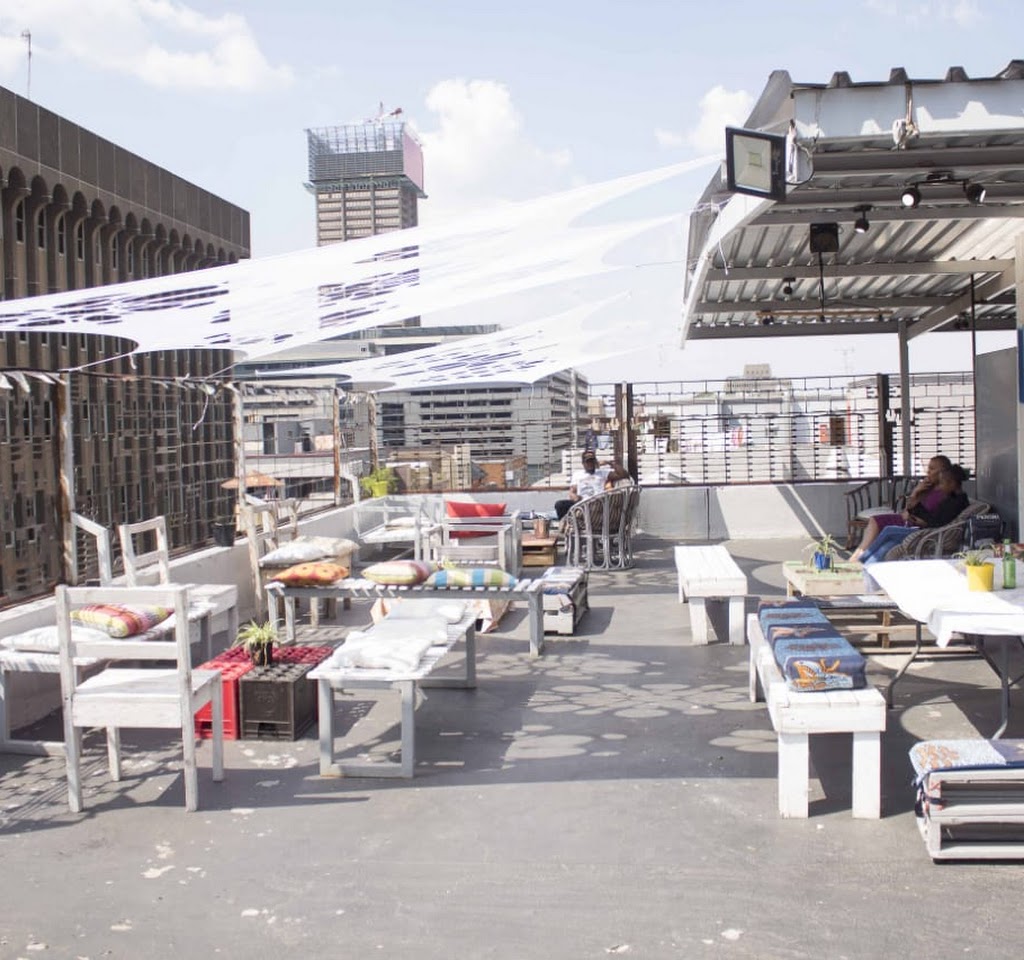
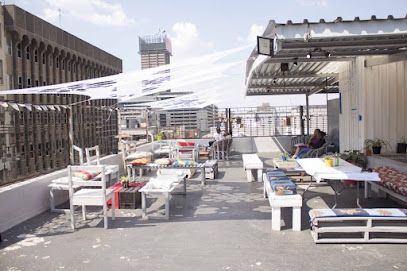
Urban Backpackers, as an approachable option in the city’s accommodation landscape, can be a convenient base for travellers who value location and a friendly atmosphere. While staying in Johannesburg, you might enjoy arranging a few easy day trips to nearby attractions in Gauteng, and you can often find local, self-guided routes that showcase the city’s resilience, creativity and hospitality. For more information and ideas, you can visit official tourism pages and city guides that outline safe, practical itineraries and current openings for dining and entertainment.
- Look for rooms with en-suite bathrooms and reliable Wi‑Fi
- Choose a location convenient for your transport plans
- Check for inclusive services (breakfast, parking, housekeeping)
- Consider proximity to cultural sites and popular dining areas
- Review safety and accessibility features for peace of mind