Johannesburg: Accommodation and Attractions in Gauteng
Johannesburg, often known simply as Jo’burg or Jozi, is a dynamic gateway to Gauteng’s mix of urban culture, history and natural beauty. When planning a stay, consider the varied neighbourhoods that suit different styles and budgets. The central city offers period architecture and convenient access to museums and eateries, while northern districts such as Sandton and Rosebank are known for business and shopping, and inner-city precincts like Braamfontein and Maboneng bring a hip, creative energy with cafés, markets and galleries. If you are drawn to a more residential atmosphere, friendly suburbs with leafy streets can feel calm yet still be within easy reach of key sights and transport links.
Accommodation options range from historic and boutique hotels to modern high-rise stays and guesthouses with personalised service. In central Johannesburg, you may find classic hotels that harken back to the city’s early days, while in Sandton and Rosebank you’ll discover contemporary properties with up-to-date amenities. For a more intimate experience, consider guesthouses or serviced apartments that offer a home-from-home ambience. When booking, look for room configurations that suit your party, clear cancellation policies, and reliable housekeeping. If you plan to work during your stay, check for reliable Wi‑Fi and a comfortable workspace. Facilities such as on-site restaurants, secure parking, and easy access to public transport can be strong advantages in Johannesburg’s bustling urban environment.
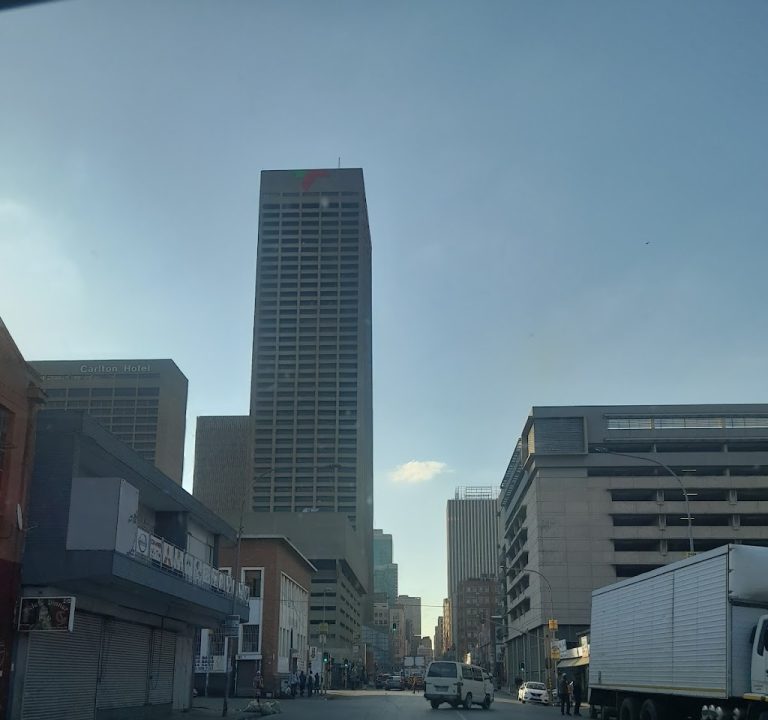
One example of a well-known option is the Carlton Hotel, a central-location hotel that can provide a practical base for exploring the city. Such properties can offer easy access to major transport routes and city sights, while still delivering comfortable rooms and on-site services that help reduce daily logistics.
Transport is a key consideration for planning a Jo’burg visit. The Gautrain provides fast links between the city and OR Tambo International Airport as well as surrounding towns, which can simplify arrivals and day trips. Within the city, rideshare services, prepaid public transport options, and well-lit main roads make getting around practical, though it is wise to plan travel times around traffic, especially during peak hours. If you prefer to self-drive, look for hotels with secure parking or easy street parking regulations. For longer stays, a property with a kitchenette or a small living area can cut daily costs and increase comfort.
When to visit Johannesburg depends on your priorities. The city has warm summers with occasional rain from November to March, and milder, drier winters from May to August. Spring and autumn offer sunny days and easier outdoor experiences. If you are interested in outdoor markets, street art tours, or cultural events, planning around local calendars can help you catch seasonal happenings. Shoulder seasons often provide good value on accommodation while still offering pleasant weather for exploring parks, gardens and public spaces.
Attractions in and around Johannesburg cover a broad spectrum. UNESCO-listed gold rush history, world-class museums and galleries, and vibrant markets showcase the city’s diverse heritage. In addition to museums and historic sites, you can expect engaging city walks that explore street art, neighbourhood redevelopment projects, and scenic viewpoints. For a broader experience, consider day trips into nearby areas where you can glimpse Gauteng’s landscapes, from city parks to rolling countryside, all within a short drive or organised excursion.
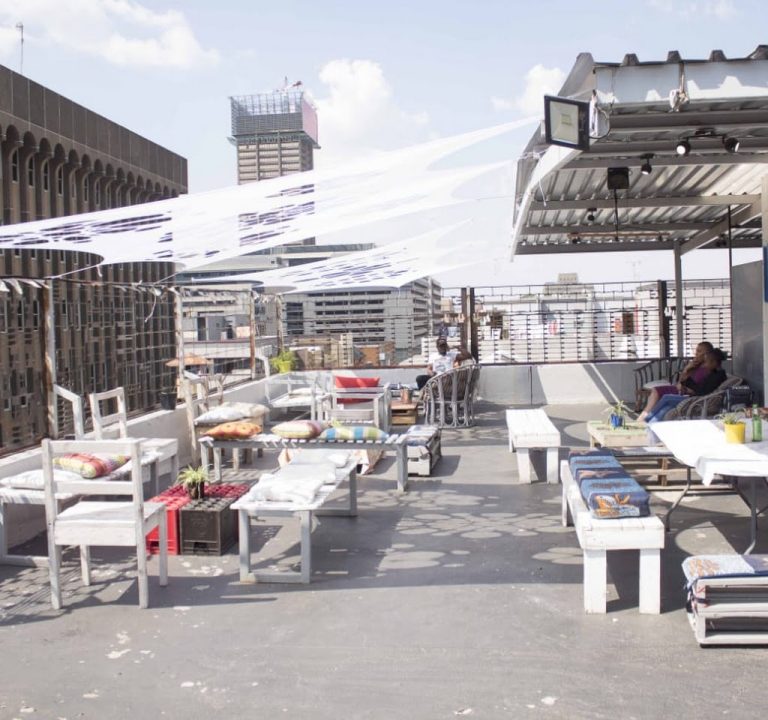
Restaurants in Johannesburg span stylish brasseries, modern cafés, and traditional eateries that reflect the city’s multicultural influences. In central and northern districts, you’ll find venues ranging from casual to refined, with menus featuring local flavours and international twists. For a relaxed evening, look for places with good views, comfortable seating, and friendly service. When dining out, it’s sensible to book ahead during peak times, especially on weekends, and to check dress codes if you plan to visit more upscale venues.
Practical tips to enhance your stay:
- Book accommodation in advance for peak travel periods, and read recent guest reviews to gauge safety and service quality.
- Choose a base with good access to public transport or a reliable taxi/ride-hail option, especially if you plan evening activities.
- Consider a neighbourhood mix: a central hub for sightseeing and a quieter area for rest after full days of exploring.
- Pack adaptable layers for variable weather, and stay hydrated when enjoying outdoor attractions.
For planning resources, consult official tourism and city guides for Johannesburg and Gauteng. These can help you tailor day trips, cultural experiences, and dining itineraries to your interests. Useful starting points include the Gauteng provincial tourism site and the Johannesburg city tourism pages, which provide practical visitor information, suggested itineraries and seasonal highlights. For direct planning, you can explore general travel information and links to attractions at national and regional tourism portals.