Accommodation and experiences in Johannesburg, Gauteng: planning your stay in the City of Gold
Johannesburg offers a varied mix of stays for every traveller, from stylish boutique hotels and modern city centre lodges to cosy guesthouses tucked into vibrant neighbourhoods. When planning a visit, think about the rhythm of the day you want: rapid access to business districts and museums, or a more relaxed pace close to markets, cafés and live music. Your choice of area will shape your experience just as much as the room you book.
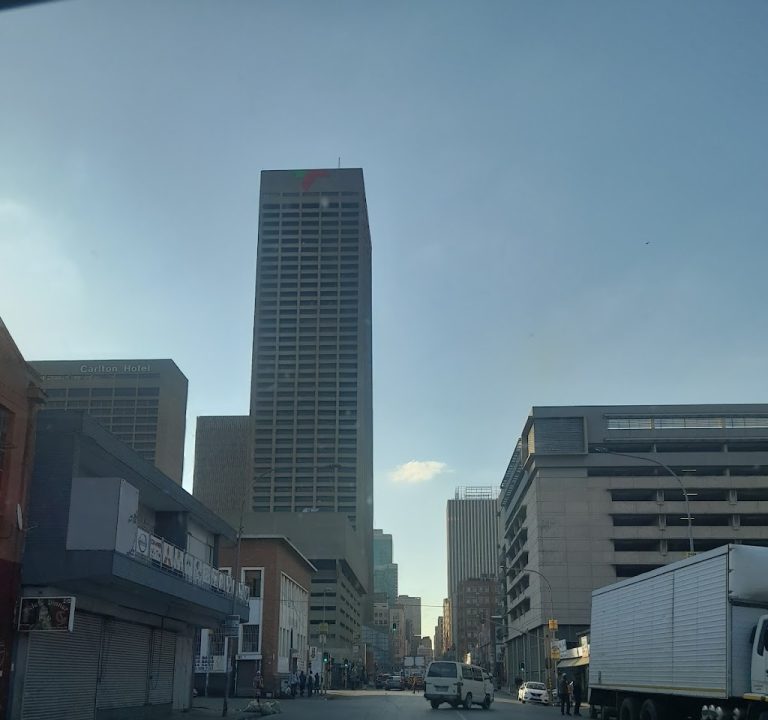
Begin with location in mind. The northern suburbs around Rosebank and Sandton are popular for business travellers and shoppers, with plentiful transport links to the airport and the Gautrain network. For a more artsy, bohemian vibe with easy access to galleries, rooftop bars and street markets, Braamfontein and Maboneng offer a lively, walkable base. If you’re after a camera-ready mix of heritage and parkland, Melville and Melville Koppies provide a more relaxed, village-like atmosphere. For a curriculum of museums and historic sites, the central business district remains a gateway to several attractions, while Soweto offers insight into South Africa’s broader history and culture through guided tours and community-led experiences.
When selecting accommodation, consider a few practical features. Look for good public transport connections or reliable ride-hailing access, as Johannesburg sprawls and distances between sights can be considerable. Many hotels and guesthouses provide shuttle services for airports or nearby districts, which can save time and reduce worry. Check room layouts and quiet zones; a comfortable bed, appropriate luggage space, and a reliable workspace are essential if you’re combining work with travel. For families or groups, ask about interconnecting rooms or larger suites. If you’re exploring markets or nightlife, a soundproofed room will help you recover after late evenings.
Typical amenities to expect include free Wi‑Fi, secure parking or easy access to public transport, on-site dining options, and 24-hour reception in many city hotels. Guesthouses and boutique properties may offer personalised service, breakfast options, and guest-only lounge areas. In terms of facilities, a quiet lounge, fitness room, or pool can make a stay more comfortable during hot Gauteng days. For longer stays, kitchen or kitchenette facilities, laundry access, and self-catering options can be very convenient. Always confirm what is included with your rate—some properties offer complimentary breakfast, while others provide discounted access to local experiences or tours.
Transport is a key planning element. The Gautrain connects Johannesburg to Pretoria, O.R. Tambo International Airport, and other hubs, offering a faster alternative to road travel. Car hire is common, but traffic in peak hours can be heavy, so consider staying near major transport corridors or in areas designed to reduce dependence on driving. Local taxis and ride-hailing services are widely available, and some hotels arrange guided tours or day trips to nearby attractions. If you prefer walking, choose a neighbourhood with pedestrian-friendly streets, good lighting, and nearby eateries and markets.
Best time to visit Johannesburg is typically during the drier, cooler months from May to September, when outdoor activities and city sightseeing can be more comfortable. However, spring and summer (roughly October to March) bring longer days and lush parks, with occasional summer showers. Plan for afternoon heat in the height of summer, and pack a light jacket for evenings. If you intend to combine a city break with a dip into nature or a day trip, consider how weather may influence outdoor plans and tailor your itinerary accordingly.
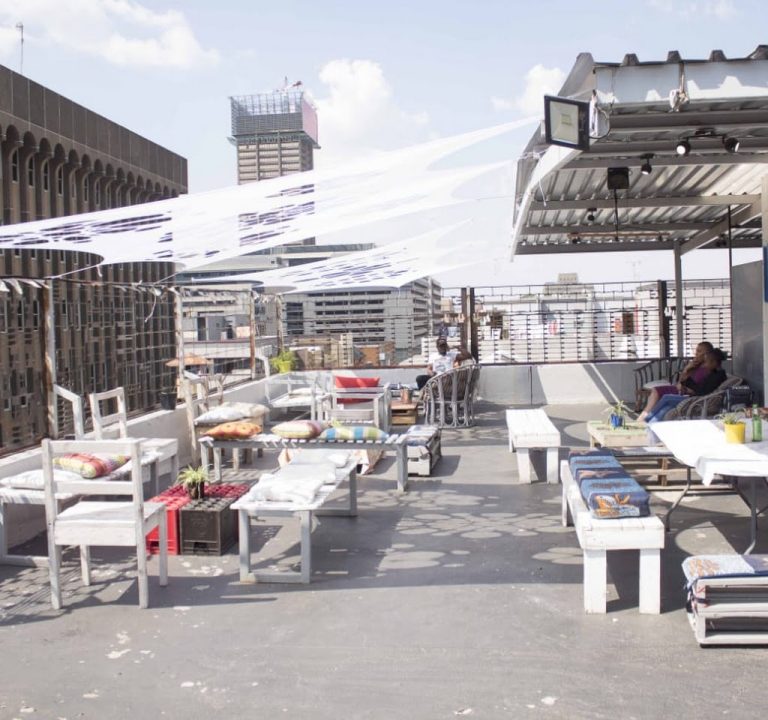
Dining and social life in Johannesburg are as diverse as the city itself. Expect a blend of contemporary bistros, traditional South African eateries, and international cuisine. In general terms, you’ll find venues with seasonal menus, locally sourced produce, and vibrant atmospheres—from casual cafés to stylish rooftop terraces. When choosing where to dine, look for places that offer a good balance of value, variety, and accessibility by foot or short transport hops from your accommodation. Many hotels partner with nearby restaurants or offer curated dining experiences, which can provide a convenient way to sample local flavours without venturing far after a day of sightseeing.
Top themes for an itinerary might include a culture-led day, with visits to museums, galleries and heritage sites; a market and culinary route, sampling street food, farm-to-table dishes and local brews; and a nature or city-view day, exploring parks, viewpoints and river or hillside trails. For a deeper understanding of the region, consider a guided township or neighbourhood stroll that emphasises history, architecture and community projects. Always book ahead where possible, particularly for popular experiences and restaurants on weekends or during school holidays.
Useful planning tips:
- Choose a base that minimises long transfers between your must-see sights.
- Check cancellation policies and whether breakfast or other perks are included in your rate.
- Ask for local area recommendations from your host or hotel concierge to discover hidden gems and seasonal events.
- Factor in a rest day or two to enjoy your accommodation’s surroundings—cafés, bookshops, markets and green spaces can be unexpectedly rewarding.
- Have a flexible plan with a few core attractions and a couple of back-up options in case of weather or crowds.
For further inspiration and practical planning, you can explore official tourism resources which offer background on visitor areas and suggested itineraries. These sources can help you tailor a stay to your interests, from architecture and history to food markets and live music venues. Enjoy discovering Johannesburg—a city of contrast, energy and generous hospitality.