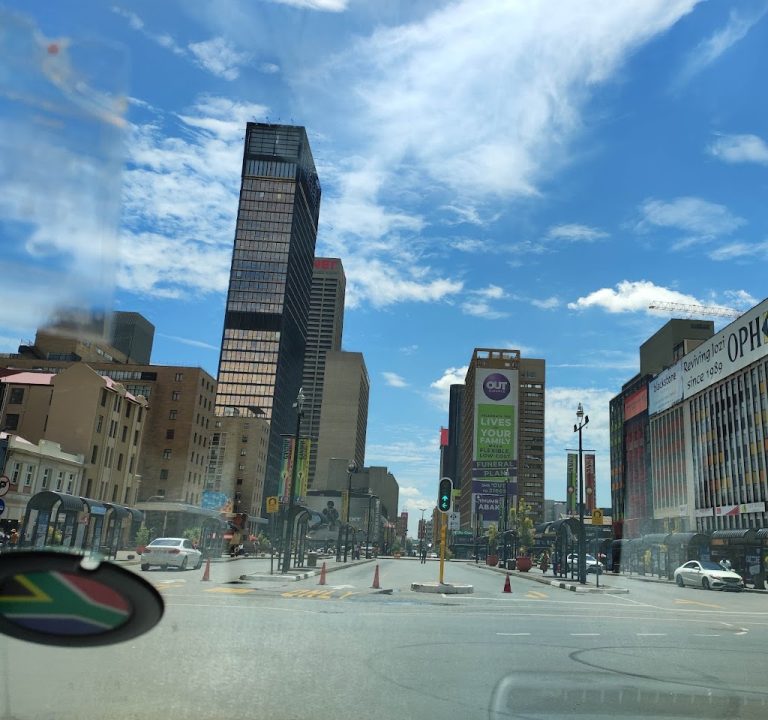
Johannesburg: Where to stay, what to do, and how to plan a brilliant visit
Johannesburg, or Jo’burg as many locals say, offers a vibrant mix of urban energy, cultural richness and easy access to surrounding gems in Gauteng. When planning a stay, consider neighbourhoods that align with your interests and travel pace. Central areas near museums, markets and dining districts provide a compact, walkable base, while Sandton, Rosebank and Melville offer a mix of modern convenience and suburban calm. For a deeper cultural experience, Braamfontein and Maboneng are well known for their creative scenes and lively hospitality options. If your focus is quieter residential streets with easy links to the city’s business districts, look for guesthouses or boutique stays in nearby leafy precincts or on the city’s northern or southern perimeters with good transport access.
Accommodation in Johannesburg ranges from stylish bed and breakfasts and intimate guesthouses to contemporary boutique hotels and modest takut-style lodges. Typical amenities you can reasonably expect include comfortable Wi‑Fi, private or en-suite bathrooms, heating or air conditioning, and in many cases breakfast included. A growing number of properties offer secure on-site parking, 24‑hour reception, and curated experiences or recommendations for local dining. When you book, pay attention to whether breakfast is continental or full, whether rooms have seating or workspaces, and what the cancellation policy entails in case your plans shift.
Choosing the right area makes a big difference to your travel rhythm. If you want quick access to business centres and major shopping hubs, stay in or near central Johannesburg or Sandton. For a more relaxed, artsy vibe with cafés and markets, Braamfontein, Maboneng and Rosebank are worth exploring. If you’re seeking a gateway to Soweto or broader Gauteng day trips, look for accommodation with straightforward transport options to the M1 highway or links to the Gautrain network. Regardless of area, it’s useful to map a rough plan that clusters your activities by neighbourhood to minimise daily travel time and transit costs.
Public transport and getting around are easier when you understand your options. The Gautrain offers fast rail connections between Johannesburg and Pretoria, with convenient stations at Sandton and Rosebank for city access, while Uber and other ride‑hailing services are widely available. If you’re driving, check whether your stay provides secure parking or easy street parking, as some central zones have restrictions at certain times. If you plan day trips, evaluate how you’ll reach Soweto, the Cradle of Humankind or the Magaliesberg foothills—some tours operate from central hotels or guesthouses, while others are better reached by private car or organised transfer services.
What to look for when booking a stay in Johannesburg is as important as where you stay. Prioritise properties with reliable Wi‑Fi, good security, and a reputation for clean, well‑maintained rooms. In guesthouses and B&Bs, consider whether you prefer a host who offers breakfast and local guidance, or a self‑cacultured setup with flexible check‑in times. Pay attention to room layout—quiet rooms away from lifts or street frontage can be worth the extra cost if you’re a light sleeper. Accessibility for travellers with mobility needs is another consideration, as some traditional old buildings may have stairs or narrow corridors. If staying in a district with nightlife or construction nearby, you may want to choose a room with good sound insulation or a higher floor.
Best time to visit Johannesburg generally aligns with milder weather and drier months, typically from late spring to early autumn. The city’s climate allows for outdoor pursuits in many parts of the year, but the peak tourist seasons often coincide with school holidays and major cultural events. If you’re after a quieter experience, shoulder seasons can offer lower rates and more space at popular guesthouses and boutique hotels. Always check local event calendars when you book, as some venues host markets or live music nights that can add to your enjoyment, but may also affect parking availability and noise levels in nearby accommodations.
Practical tips for a smooth stay:
- Check cancellation terms and what is included in the rate (breakfast, parking, housekeeping, use of common areas).
- Ask about security measures and the nearby transport options for late returns from dinners or nightlife.
- Plan your days around a few anchor experiences—museums, markets, and a couple of restaurants—then leave some flexibility for spontaneous discoveries.
- Pack adaptors suitable for South Africa’s plugs if your devices require specific outlets.
- Carry a small amount of local currency for markets and smaller vendors; many places also accept card payments but not everywhere.
- Respect local safety guidelines and stay aware of your belongings in busy areas.
For those seeking a personalised stay, look for properties that emphasise traveller-friendly experiences. Boutiques and B&Bs in Johannesburg often curate recommendations for day trips and neighbourhood highlights—whether you’re after a walking circuit in a historic district, a food‑focused neighbourhood crawl, or a relaxed café scene. When in doubt, start with reputable tourism guides and accommodation directories to identify properties that match your budget, style and comfort needs. For inspiration and practical planning, visit official tourism resources online and explore suggested itineraries that combine culture, cuisine and easy, convenient transport routes within Gauteng. If you’re planning a longer visit, consider a two‑to‑three‑night stay in a central base with day trips to surrounding sights to balance restful evenings with busy days.