A Stay in Johannesburg: Accommodation, Attractions and Practical Tips
Johannesburg offers a diverse mix of stay options that suit different itineraries and budgets, from stylish city-centre hotels to boutique guesthouses tucked away in leafy neighbourhoods. When planning a visit, focus on the part of the city that best aligns with your interests—business districts, cultural hubs, or residential areas with easy access to transport links. The right base can keep travel times down and help you maximise your time exploring museums, markets, restaurants and nearby natural spaces.
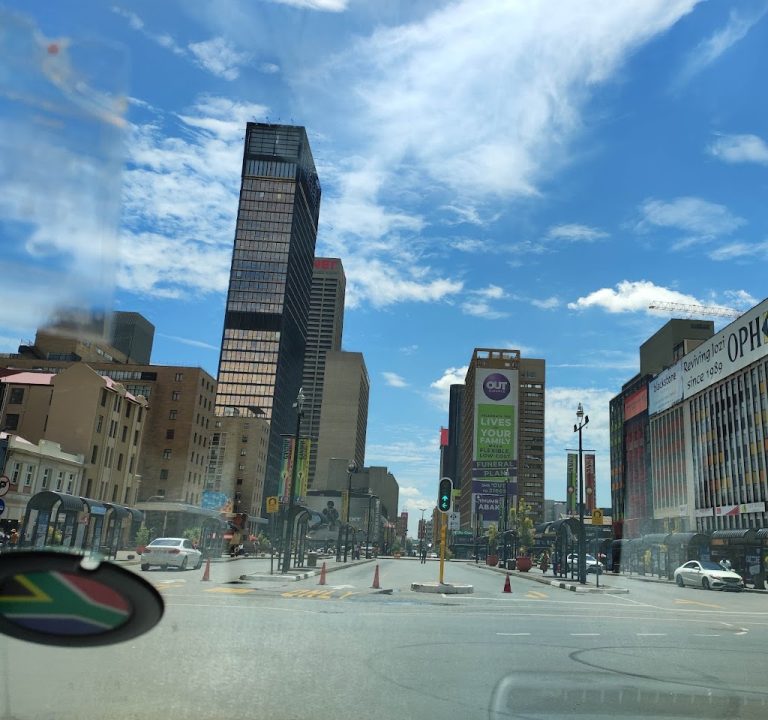
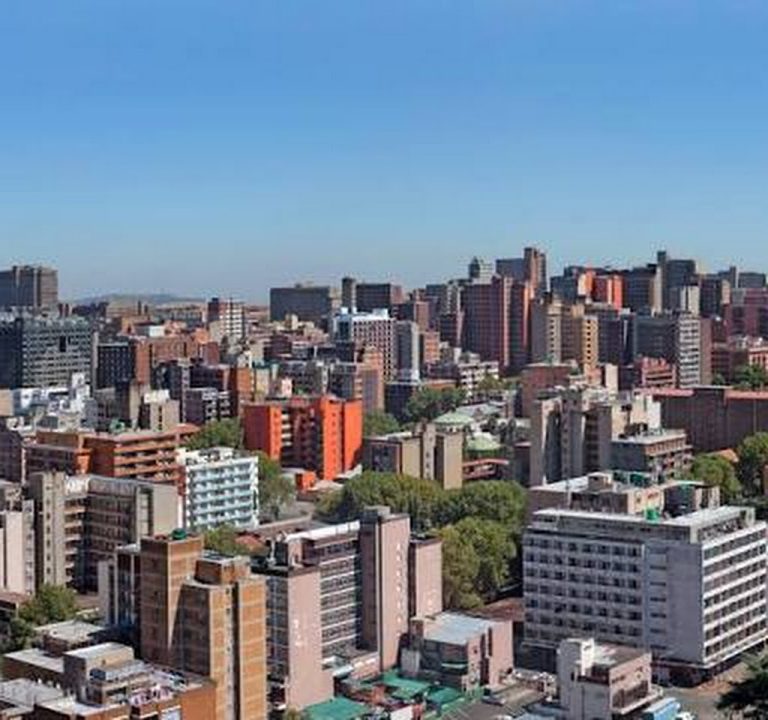
To begin, consider prominent areas for staying. The central business district and Braamfontein provide easy access to theatres, galleries and a thriving cafe scene, with plenty of options for travellers who want to be in the thick of the city. Rosebank and Sandton are popular for visitors who value upscale amenities, shopping districts and well-connected transport. Maboneng Precinct offers a more bohemian atmosphere, with converted lofts, street art and local eateries. In addition, neighbourhoods with tree-lined streets and boutique guesthouses can offer a quieter feel while still being reachable from major sights.
When booking, look for the following features to ensure a comfortable stay. Bright, well-lit rooms with reliable Wi‑Fi are essential for most travellers. En-suite bathrooms, climate control, and good sound insulation can make a big difference in city locations. If you plan to cook some meals, a kitchenette or access to shared cooking facilities is convenient. For those who prefer hotel-style convenience, check in advance for on-site dining options, 24-hour reception, secure parking, and laundry services. Accessibility features and child-friendly options are worth noting if you are travelling with family.
Transport is a key consideration in Johannesburg. The city is served by a rapid rail link known as the Gautrain, which connects Johannesburg with Pretoria and the OR Tambo International Airport, providing a fast option for longer journeys. Within the city, taxis, ride-hailing services and local buses are common. If you are staying in a central location, many attractions are within comfortable reach on foot or by a short ride. If you hire a car, confirm parking arrangements and whether the property offers covered spaces or on-street permits. For day trips, you might plan a visit to nearby natural reserves, markets and historical sites that are a bit further afield than the immediate urban core.
Best time to visit Johannesburg depends on your aims. The city experiences a subtropical highland climate with warm summers and cooler winters. The summer months can bring afternoon thunderstorms and high humidity, while winter is generally dry and mild. Spring and autumn offer pleasant temperatures for outdoor strolling and photography. If you want to combine outdoor activities with sightseeing, consider shoulder seasons when attractions are less crowded and hotel prices may be more favourable.
Practical planning tips can help you make the most of your stay. Start with a flexible itinerary that allows time for both planned visits and spontaneous discoveries. Reserve a couple of core experiences—such as a guided city tour, a visit to a museum or cultural centre, and a day trip outside the city—yet leave room for recommendations from hosts, concierge staff, or friendly locals. For dining, Johannesburg delivers a broad spectrum from casual eateries to more refined venues. Try to balance meals in well-reviewed establishments with recommendations from your accommodation’s staff or guest-facing teams to discover authentic neighbourhood flavours.
Accommodation options span modern high-rise hotels, stylish boutique flats, guesthouses with personalised service, and long-standing lodges near parks or cultural districts. Typical amenities often include free Wi‑Fi, secure entry, and daily housekeeping. Some properties feature on-site bars or cafés, fitness rooms, and business facilities suitable for travellers who need to work remotely. If you are planning a longer stay or travelling with family, seek out properties with larger rooms, self-catering facilities or suites that provide more space and flexibility.
When researching, read guest reviews to gauge consistency in service, cleanliness and location. Look for clear information about distance to key sights, public transport stops, and the nearest supermarket or café. A map view can be helpful to understand proximity to areas you wish to explore, such as cultural districts, markets, or parks. If you require accessible accommodation, check for level entries, wide doorways, and accessible bathrooms. Booking sites often provide details on cancellation policies, which can be important if your plans are not yet fixed.
- Plan a balanced mix of urban exploration, museum visits and outdoor time.
- Choose a base with good transport links or a nearby Gautrain station for easy day trips.
- Confirm practicalities such as parking, laundry facilities, and kitchen access if needed.
- Read recent reviews specifically about location, noise levels, and service consistency.
Finally, consider the broader experience of Johannesburg. The city is a gateway to a rich heritage, vibrant markets, street art and parks. While you may not list every venue by name here, you can expect a range of experiences from guided tours that illuminate the city’s history to neighbourhood strolls that reveal contemporary arts, crafts and locally sourced cuisine. With thoughtful planning, your stay can combine comfortable accommodation, efficient transport, and rewarding discoveries that reflect the energy and warmth of Gauteng’s capital.