Johannesburg: accommodation planning and key sights for a memorable stay
Johannesburg, or Jo’burg as many locals call it, offers a dynamic mix of modern hotels, stylish guesthouses, and distinctive lodges that suit a range of budgets and travel styles. When planning a stay, consider neighbourhoods that align with your priorities—easy access to sights, a neighbourhood’s safety vibe, and the availability of transport and dining options. The city is vast, so a well-structured plan helps you make the most of your time without spending too much on taxi fares or long transfers between venues.
Areas to consider for accommodation
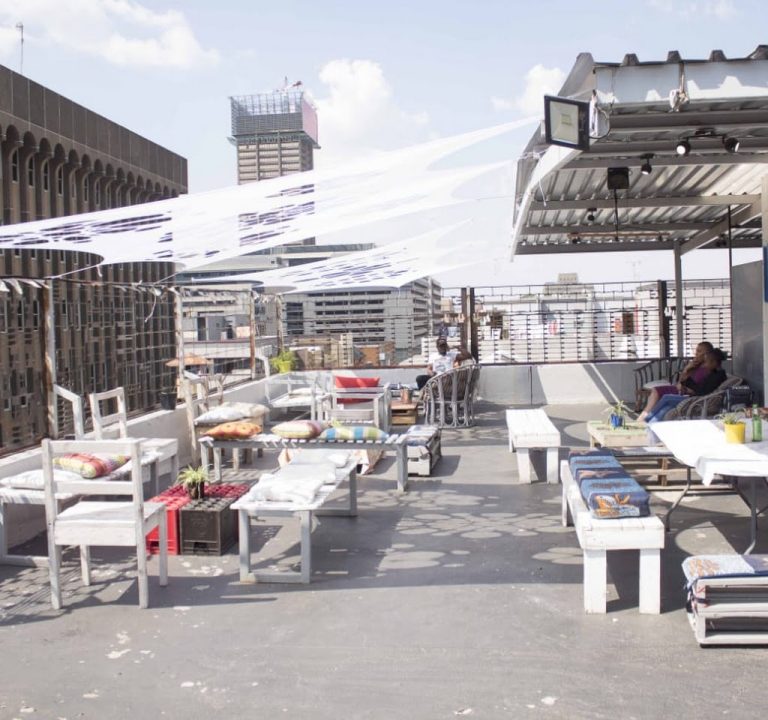
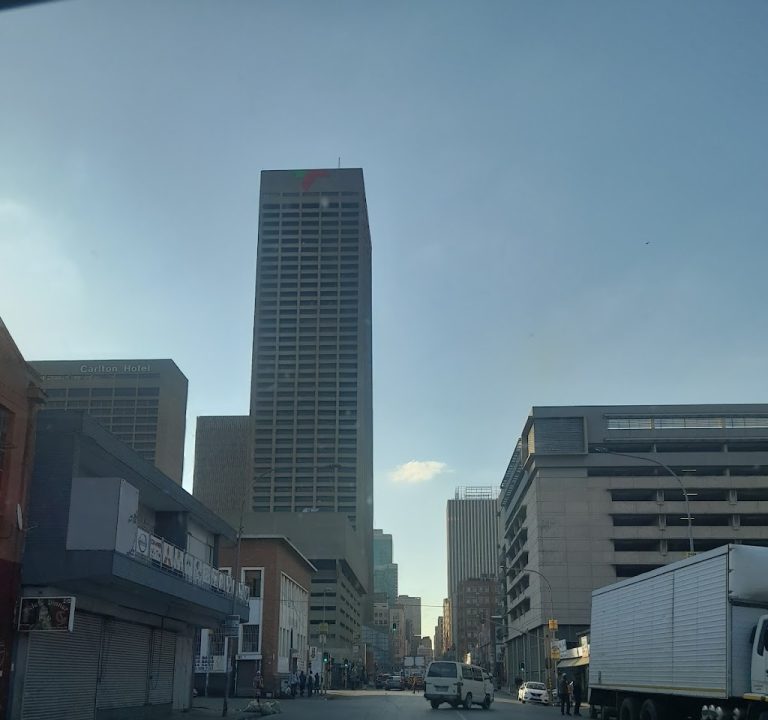
Sandton and Rosebank are popular for business travellers and visitors seeking a polished, cosmopolitan feel with strong dining scenes and reliable public transport linked to the Gautrain network. Braamfontein and Maboneng offer a more energetic, artsy atmosphere with boutique hotels, rooftop bars, and creative spaces, ideal if you enjoy a walkable neighbourhood with cultural flair. Newtown is close to the Convention Centre and other urban attractions, while Melville provides a lively, slightly bohemian vibe with affordable stays and hip cafes. For a central base with historical interest, the city centre (the CBD) has seen renewed hospitality options, though it requires a bit more attention to safety and planning for night-time54 hours. In all cases, check recent guest reviews regarding security arrangements, on-site parking, and accessibility to your planned itineraries.
What to look for when booking
- Location relative to sights and transport: easy access to main routes, Gautrain stations, and rideshare hubs can save time and money.
- Safety features: secure access, staffed reception, and well-lit surroundings are important considerations, particularly after dark.
- Rooms and amenities: en-suite bathrooms, reliable Wi-Fi, adequate desk space if you need to work, and options for self-catering or breakfast inclusion.
- Parking and transport: on-site parking or easy access to safe public parking is helpful, as the city is car-centric in many areas.
- Food and drink: availability of breakfast, in-house dining, or nearby affordable options can influence overall value.
- Flexible booking policies: refundable rates or the ability to adjust dates without heavy penalties provide peace of mind when plans shift.
Typical amenities you might encounter
Many accommodation options in Johannesburg offer complimentary Wi‑Fi, daily housekeeping, and secure parking. Common extras include a pool or sun deck, a gym, and a light snack area or bar. Guesthouses and boutique hotels often feature larger rooms with stylish, contemporary décor, while lodges and certain serviced apartments may provide self-catering kitchens or kitchenettes. Breakfast is frequently included, and some properties can arrange airport transfers or local tours upon request. If you travel with family or a group, look for family rooms or interconnecting units. For eco-conscious travellers, some properties promote energy efficiency and water-saving practices.
Planning transport and getting around
Johannesburg is best navigated with a car, but public transport and rideshares are workable for most visitors. The Gautrain rapid rail links several key hubs, and taxi or rideshare apps offer convenient point-to-point transport, particularly in inner-city districts and Sandton. Many hotels can arrange airport transfers or day trips to nearby attractions. When planning day-by-day itineraries, group sites by geography—start in a central zone and plan nearby attractions to avoid backtracking. Evening meals in safer, well-lit streets or venues with security staff are advisable in central or nightlife districts.
Best time to visit and practical tips
Johannesburg enjoys mild winters and warm summers, with a wetter period in summer afternoons. Spring (September to November) and autumn (March to May) are pleasant for city exploration, with comfortable temperatures and fewer crowds than peak holidays. If your trip includes outdoor experiences or visits to museums and markets, mornings tend to be cooler and quieter, while late afternoons can be lively with locals and visitors alike. Pack comfortable walking shoes, a light rain layer for the summer storms, and sun protection for the outdoors. A plug-in adaptor may be needed for certain devices, depending on your accommodation’s fittings. Always have a plan for safe night travel, especially if you plan to explore after dark, and use reputable transport options or hotel-arranged transfers.
What to do: attractions and experiences, in general terms
Johannesburg offers a compelling blend of history, culture, and contemporary energy. You might begin with museums and historic sites that illuminate the country’s past, followed by vibrant markets, modern galleries, and neighbourhood spots where food and drink reflect the city’s diversity. For a broader sense of the region, day trips to nearby nature reserves or scenic routes can complement a city stay. Dining ranges from casual cafes and family-run eateries to contemporary restaurants and bars, with many venues designed to showcase South African flavours alongside international influences.
Planning a balanced itinerary often involves mixing a few opt-in experiences with time to relax at your accommodation. Look for a stay that respects your pace—whether you prefer immersive, guided tours or independent exploration with flexible schedules. For more inspiration and practical planning, you can visit official tourism resources and local event calendars to discover current markets, art openings, and seasonal activities. If you want a sense of the city’s hospitality and a starting point for choices, many hotel and guesthouse listings provide links to nearby dining and entertainment options to help you tailor your visit.
Website resources can help you compare options and read recent guest reviews. A well-chosen base in Johannesburg should feel safe, comfortable, and well connected, enabling you to enjoy the city’s energy while returning to a pleasant retreat at the end of the day.