Durban, KwaZulu-Natal: A Practical Guide to Stay, Eat and Explore
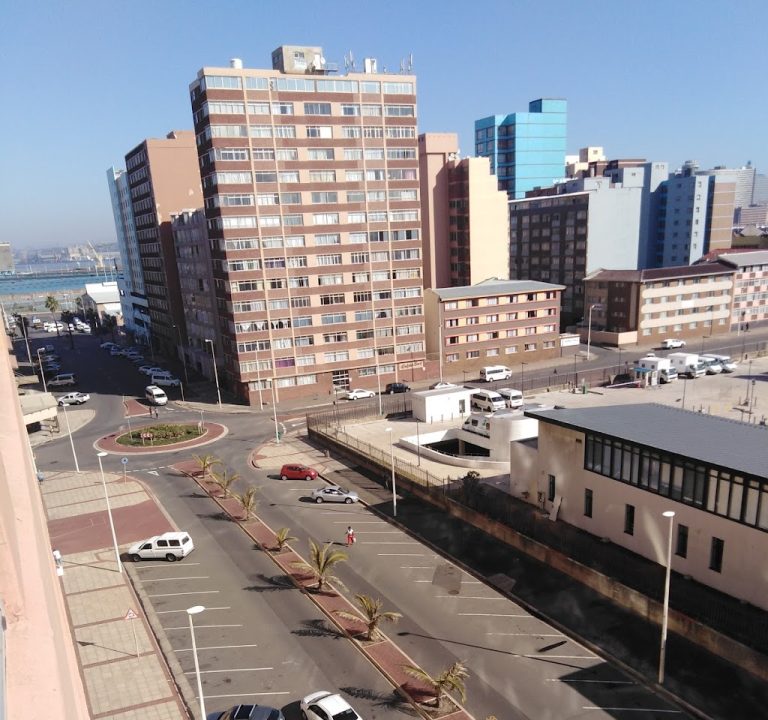
Durban offers a warm welcome for travellers seeking a mix of tropical beaches, lively city life and convenient access to the wider KwaZulu-Natal region. When planning a stay, consider the three broad districts that most visitors use as bases: the leafy suburbs along the Berea, the bustling beachfront of the Golden Mile, and the coastal spine of Umhlanga and the surrounding North Durban coast. Each area has its own character, transport links and dining options, so your choice can shape the pace and focus of your trip.
Where to stay depends on what you want from your holiday. If you prefer a classic beach vibe with quick access to sun, surf and promenades, look for accommodation along the Golden Mile and nearby beaches. For a more residential feel with easy access to city sights, Berea stays often provide a leafy ambience and compact street life. If you crave modern conveniences and a concierge-friendly approach, the coastal hubs of Umhlanga and La Lucia tend to offer newer properties, shopping clusters and straightforward transport to the main visitor routes.
Typical amenities to look for when booking Durban accommodation include strong air conditioning (important in the humid subtropical climate), reliable Wi‑Fi, on-site parking or easy street parking, and access to a swimming pool or a private terrace. Self-catering options such as serviced apartments or stylish guesthouses are popular here, especially for longer stays or family visits. If you’re seeking a more hotel-like experience, many properties provide 24-hour reception, daily housekeeping, and in-house dining options. Always check whether a place offers inclusive breakfast, how far the beach is, and what public transport or shuttle services are available for airport transfers or day trips.
Transport in Durban is straightforward but varies by area. The city centre and Berea are well connected by taxis, ride-hailing apps and some buses, while the beachfront corridors and Umhlanga benefit from flatter streets and pedestrian-friendly layouts. If you plan day trips to the KwaZulu-Natal hinterland or the scenic Valley of a Thousand Hills, a rental car offers the greatest flexibility. For trains and longer journeys, consider the regional network, but remember that services may be less frequent than in major European or North American cities. Always arrange secure parking if you’re driving, and be mindful of peak-hour traffic surges in the mornings and late afternoons along coastal routes.
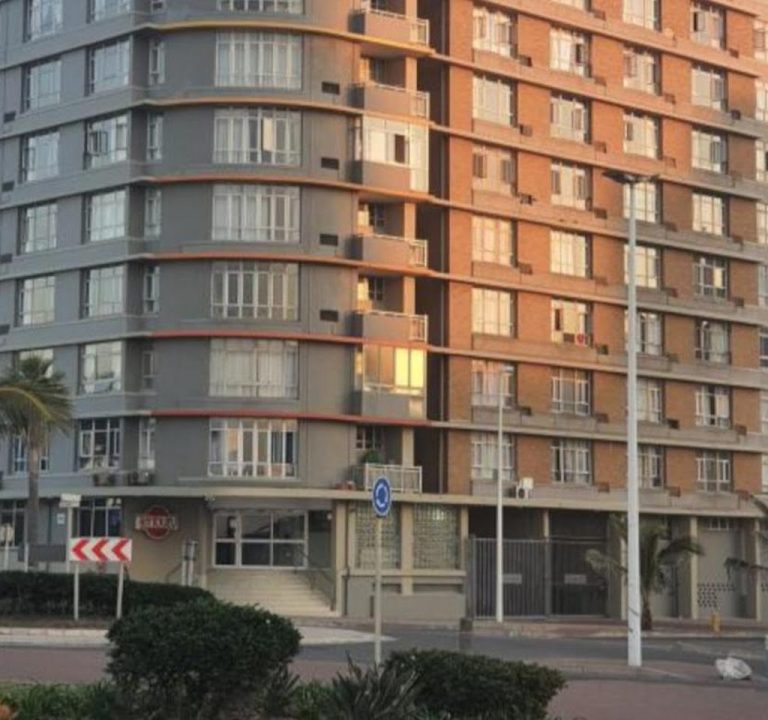
One example of accommodation that travellers may encounter in Durban is a self-contained unit such as Unit 72/103/133 Lancaster Gate Apartment. Such options can provide a flexible base for couples or families, with a kitchen or kitchenette, living area and private bathrooms. When reviewing these stays, verify the proximity to the coast, any shared facilities, and the rules around access to common areas. Even for apartment-style stays, you can often request a short walk to the beach, supermarkets and local eateries, which helps to keep daily expenses in check.
Best time to visit Durban tends to be the warmer months from October through April, when the sea is inviting and outdoor activities are at their peak. The city’s humid summers bring lush vegetation and vibrant markets, but you may encounter higher humidity and occasional rain showers. Winter (May to September) remains mild and pleasant for exploring cultural attractions and regional day trips, though the sea can be cooler for swimming. If you’re aiming to catch major events or festivals, check local calendars in advance, as these can influence room availability and prices.
When it comes to dining and experiences, Durban offers a diverse culinary scene that ranges from seaside cafés to vibrant markets and upmarket restaurants. You’ll find places that showcase coastal seafood, Durban curry and fusion dishes that reflect the city’s multicultural influences. In general terms, plan a mix of relaxing meals by the sea, casual breakfasts in energetic neighbourhoods, and a couple of evening dinners to soak up the nightlife and live music scenes that characterise the beachfront and urban fringe venues. If you prefer guided experiences, look for local operators offering heritage walks, food tours, and nature trails in the nearby hills and coastline.
Practical tips to help you enjoy a smooth stay:
- Read recent guest reviews to gauge reliability, cleanliness and host responsiveness.
- Check distance to the beach, shops and public transport routes to avoid long commutes.
- Ask about security features such as on-site staff, gated access and well-lit surroundings.
- Book flexible rates where possible, especially if your plans might shift with weather or events.
- Pack sunscreen, lightweight clothing for the day and a light jumper for coastal evenings.
Durban’s attractions span sunlit beaches, historic architecture and vibrant markets. Even without naming specific venues, you can expect opportunities to stroll along sandy promenades, visit family-friendly marine and wildlife displays, and explore viewpoints overlooking the Indian Ocean. For a day trip, consider the broader KwaZulu-Natal scenery—from rolling hills to river valleys and nature reserves—each offering walks, wildlife encounters and photographic moments. Dining and shopping districts provide a complementary rhythm to your itinerary, with casual eateries by the sea and stylish venues in the city’s urban cores.
To make the most of your stay, plan a balanced itinerary that blends downtime by the water with cultural or nature-based day trips. Have a flexible approach to peak-season crowds, and use reputable local transport or accommodation partners to streamline your arrangements. Durban rewards visitors who combine beach-friendly leisure with the discovery of its varied neighbourhoods, diverse cuisines and easy-access hinterland landscapes.