Durban: accommodation ideas and practical tips for a memorable KwaZulu-Natal stay
Durban blends tropical climate, rich culture and a coastal pace that invites both city explorers and beach lovers to slow down and soak up the atmosphere. When planning a stay, consider what you want from your Durban experience: a laid‑back beach vibe, easy access to the city’s historic centres, or convenient routes to the surrounding wildlife parks and inland attractions. Durban’s accommodation scene ranges from stylish boutique B&Bs and family‑run guesthouses to modern high‑rise hotels and self‑ catering apartments. For a beachfront base, you might look at options that offer sea views and easy access to the promenade, while inland districts can provide quieter streets and more affordable rates.
Areas to consider include:
- Bereа and Morningside: popular with travellers who want a residential feel with easy access to shops, restaurants and a quick drive to the seafront.
- Durban North and the Golden Mile corridor: features a mix of modern hotels and self‑catering flats close to the beach and entertainment options.
- Umhlanga and uMhlanga Rocks: a resort‑like stretch with higher‑end hotels, chic eateries and a reputation for a more upscale stay with good transport links to the city centre.
- Stanford Hill and the central business district: good for travellers who want access to cultural venues, markets and historic architecture, with a range of mid‑range to boutique stays.
When choosing accommodation, consider typical amenities that make a Durban stay comfortable. Look for reliable air conditioning or ceiling fans for the coastal heat, especially in the bustling summer months. A comfortable bed, clean bathrooms, and a well‑equipped kitchenette or access to on‑site dining can make a big difference. If you plan to explore on two wheels or with a car, check for dedicated parking, secure access and proximity to main routes. A pool or a shaded outdoor area is a bonus for sunny days, as is complimentary Wi‑Fi for saving data while planning day trips. Some properties offer organised experiences or simple guides to local eateries, markets and beaches, which can help you settle in faster.
Transport and getting around are straightforward but vary by area. Durbin’s public transport includes buses and trains that connect major districts, while ride‑hailing apps and alugos (taxis) are widely available. If you’re staying near the coast, you’ll likely be within walking distance of beaches and the promenade, with regular ride options for longer trips into the city or to nearby attractions. For guests planning day trips to nature reserves, wetlands or inland golf courses, choose a base with easy road access and clear directions, as some routes may involve provincial or coastal roads that are busy during peak travel times.
The best time to visit Durban depends on your priorities. Summer (December to February) brings warm sea temperatures and vibrant street life, but can be hot and humid, so a property with good cooling and shaded outdoor spaces is helpful. Winter (June to August) is milder and a good period for outdoor activities, wildlife excursions and shopping without the heavier crowds. Shoulder seasons offer a balance of pleasant weather and more favourable room rates. For beach‑based stays, early mornings and late afternoons are ideal for sunny days without the peak‑hour crowds, while inland excursions may be best planned in the cooler parts of the day.
Practical tips to help you book with confidence:
- Read recent guest reviews to gauge consistency in housekeeping, location accuracy and noise levels, as some streets near the coast can be lively at night.
- Check the exact distance to the beach, city centres and transport hubs. A short walk to the promenade can save time and taxis costs during busy evenings.
- Ask about security features, especially if you’re staying in neighbourhoods that are residential or have limited on‑site staff after hours.
- Look for flexible cancellation policies, particularly if you’re travelling during peak seasons or planning multiple excursions.
- Consider a self‑catering option or a property with a well‑stocked kitchen, which can be convenient for families or travellers with dietary needs.
Durban offers a wealth of activities that suit varied interests. Beach strolls and swimming in designated surf zones sit alongside opportunities to explore markets, galleries and traditional South African cuisine. For nature lovers, days can be spent exploring coastal wetlands, nature reserves and nearby hills offering scenic viewpoints. Family travellers often appreciate gentle entertainment options along the coast and straightforward access to safe, supervised beaches. Foodies can look forward to enjoying a mix of regional flavours and lively casual eateries that showcase coastal seafood and urban fusion dishes. While the specifics of an individual restaurant or attraction may change over time, the city’s mix of beach‑front dining, casual cafés and vibrant markets generally reflects a welcoming and relaxed approach to hospitality.
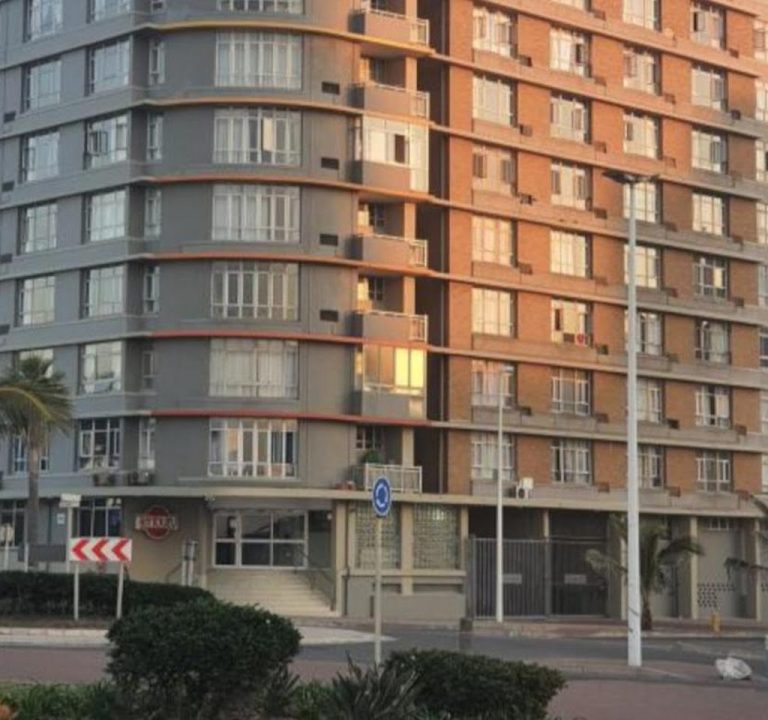
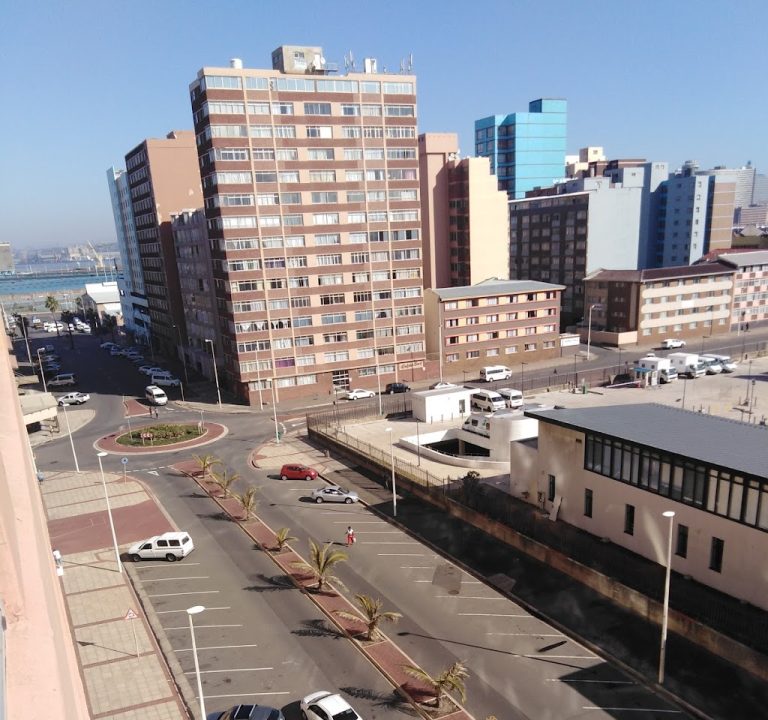
If you’re seeking a practical example of a beachfront option, a property described as Beach view SBU Top apartment typifies the style many visitors seek: a well‑located self‑contained unit with water‑side views, modern comforts and straightforward access to the promenade and nearby amenities. Such accommodation can be a solid base for a flexible itinerary, balancing restful mornings with easy routes to local dining and day trips.
To plan efficiently, assemble a rough itinerary early in your stay but stay flexible to enjoy Durban’s spontaneous moments. With its layered mix of coastal charm, urban culture and surrounding natural beauty, Durban makes an ideal destination for a restorative break or a busy weekend of discovery.