Durban, KwaZulu-Natal: accommodation options and how to plan your stay
Durban is a subtropical coastal city that blends warm Indian Ocean waters with a vibrant mix of cultures, leafy suburbs and a bustling waterfront. When planning a stay, consider the character of each neighbourhood to match your pace and interests. Coastal areas near the Golden Mile and the harbourfront are convenient for beach walks, dining and activities, while inland districts offer easy access to parks, markets and historic architecture. A stay that combines a beachfront base with a quieter inner-city or residential neighbourhood often provides the best balance of convenience and atmosphere.
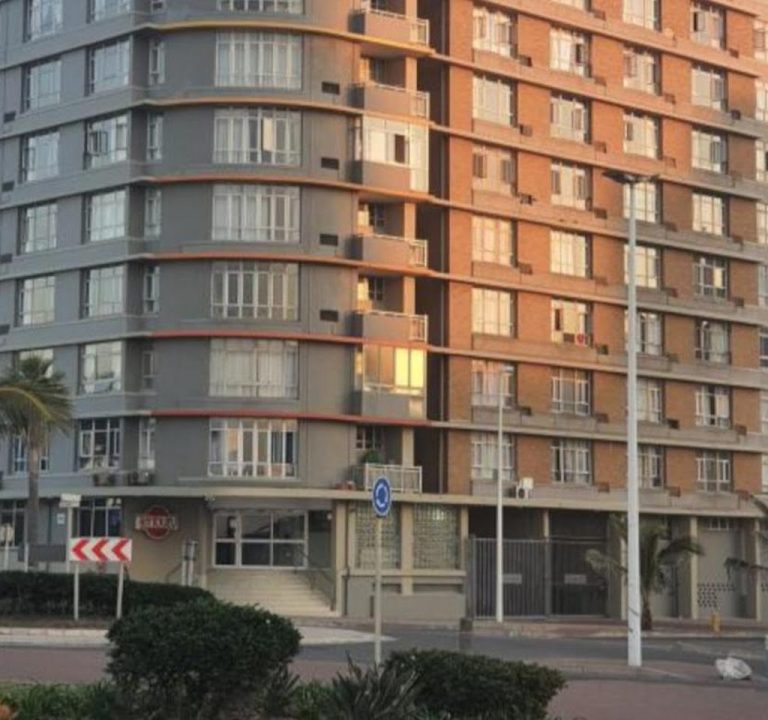
Accommodation in Durban spans boutique B&Bs, modern hotels, family-friendly guesthouses and self-catering apartments. If you are seeking a more personal touch, a well-run B&B or guesthouse can offer local tips and a friendly breakfast before a day of exploring. For families or longer visits, self-catering apartments or serviced suites in residential blocks can provide more space and flexibility. A hotel such as Bongz Accommodation might present a convenient base with on-site facilities ranging from pools and fitness areas to helpful reception services; when choosing, weigh the value of daily housekeeping, secure parking and 24-hour reception against your budget and plans.
Areas to consider include:
- Golden Mile and the Point: ocean views, easy beach access, promenade strolls and a range of casual eateries and cafés.
- Umhlanga: a more upmarket coastal suburb with pristine beaches, promenades and a choice of contemporary hotels and self-catering options; great for safe family stays and weekend getaways.
- Durban North: a quieter residential area with scenic drives, golf courses and a shorter hop to the northern beaches.
- Musgrave, Glenwood and Grey Street precincts: closer to shopping, universities and cultural venues, with boutique lodgings and guesthouses.
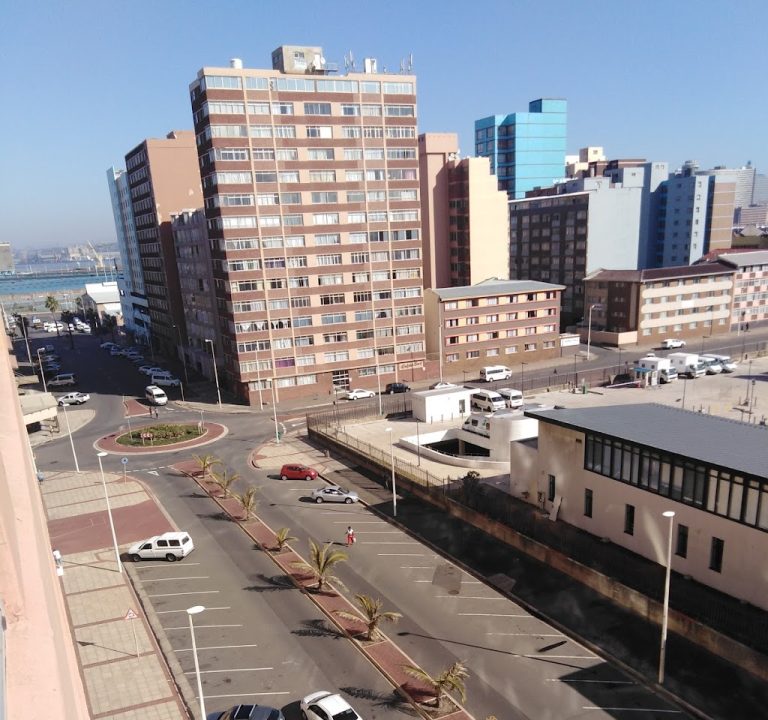
- Central and the harbourfront: convenient for exploring the city’s historic sights, markets and entertainment venues, though some parts are busier and louder at night.
Typical amenities you might expect include air conditioning or fans, reliable Wi‑Fi, self-catering facilities or breakfast options, private bathrooms, secure parking, and easy access to public transport or taxi services. If you are travelling with children or pets, look for family-friendly layouts, spacious rooms, and clear pet policies. Some properties feature pools, sun terraces, or small gyms, which can enhance downtime after a hot day at the beach or exploring the city.
Transport in Durban is straightforward but varies by area. Durban’s King Shaka International Airport (near Umhlanga) is well connected to the city via highways and airport shuttles; many hotels offer airport transfer services or can arrange trusted drivers. Within the city, Uber, meter taxis and car hire are common choices. If you plan to explore the surrounding countryside, a car offers the most flexibility, though plenty of short trips and day tours can be arranged from central bases. In peak travel periods, consider traffic flow and plan sufficient time for journeys to beaches, markets and attractions.
Best time to visit Durban depends on your preferences for weather and crowds. The city enjoys warm, sunny days for much of the year, with a more humid and storm-prone summer. Winter (June to August) is mild and pleasant, often ideal for outdoor dining and walks along the water. Spring and autumn bring comfortable temperatures for outdoor activities and sightseeing. Prepared travellers should pack light layers, sun protection, and a light rain jacket during the tropical shower season. If you are travelling specifically for beach time, May to September tends to offer calmer seas and comfortable beach conditions, while December to February brings lively waterfronts and festival atmosphere.
When planning activities around your stay, consider combining a coastal day with inland experiences. Durban’s shoreline offers long beaches for strolls and sunbathing, as well as promenade bike rides and family-friendly bays. Cultural and historic highlights lie a short drive away, including markets and precincts with crafts, cuisine and music that reflect Durban’s diverse communities. For a fuller experience, you might structure a few days around a beach-first approach, followed by a day to explore nearby hills and valleys such as the Valley of a Thousand Hills or the leafy inland suburbs with charming cafés and gardens.
Practical tips for booking and staying smart:
- Compare distance to the beaches and major attractions with your chosen area; even short drives in Durban can become lengthy during peak traffic.
- Check for secure parking, especially if you plan to hire a car; public areas near the coast can be busier in peak season.
- Ask about breakfast options, as a good start to the day can influence energy levels for sightseeing.
- Review cancellation policies and weather contingency plans, particularly in the summer months when rain can impact outdoor activities.
- Request information on nearby dining options, supermarkets and medical facilities for ease during your stay.
Durban offers a wealth of experiences that can be enjoyed alongside well-situated accommodation. Whether you seek breezy beach days, lively markets and fine Indian-influenced cuisine, or tranquil streets and leafy parks, a comfortable stay paired with thoughtful planning can help you make the most of KwaZulu-Natal’s coastal metropolis.