Durban: Accommodation, Attractions and Practical Planning for a Memorable Stay
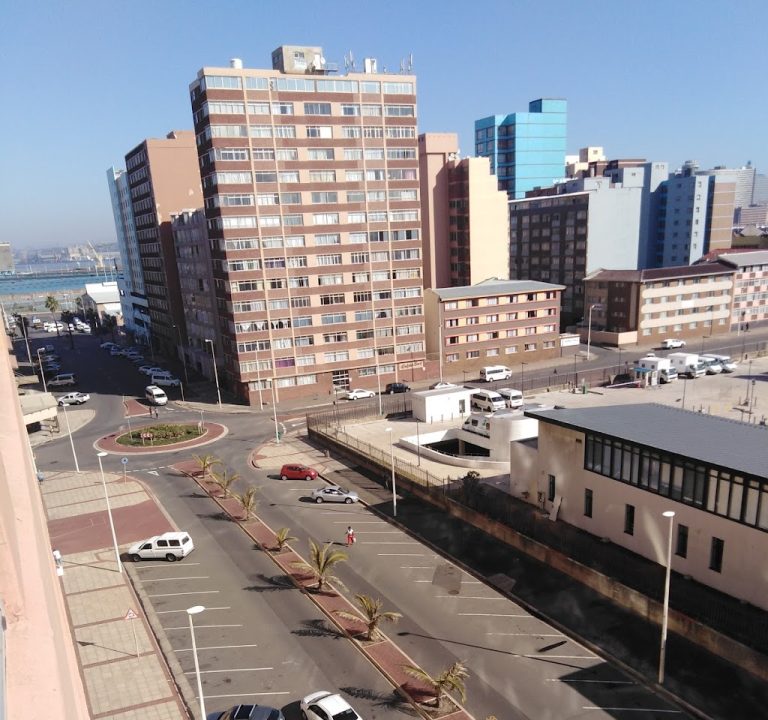
Durban, perched on the KwaZulu-Natal coast, offers a vibrant mix of sun, sea and sub-tropical culture. When planning a stay, consider the range of neighbourhoods that each bring their own flavour to your visit. The beachfront precincts along the Golden Mile are perfect for those who want easy access to the sea, promenades and beachfront dining. Inland options in Berea, Greyville and Musgrave tend to place you closer to markets, cafés and cultural venues, while the north coast resorts of Umhlanga and Ballito offer a more resort‑style experience with pristine beaches and higher‑end amenities. For a more authentic, neighbourhood‑level stay, look at quieter residential pockets that still offer convenient access to the city’s sights.
When choosing accommodation, think about what will make your stay comfortable and easy. Key considerations include:
- Proximity to transport links: Durban’s roads can become busy, especially during peak season. Being near a main taxi route, a bus stop or a railway station can save time and reduce the need to hire a car.
- Nearby amenities: supermarkets, medical facilities, and convenient eateries within walking distance add convenience, particularly for longer stays or family trips.
- Access to the coast: if beach time is a priority, beachfront or near‑beach properties offer the most straightforward access, but may come with higher prices.
- Security and comfort: look for secure entrances, reliable on‑site reception, and well‑maintained rooms with clear housekeeping routines.
- Value and flexibility: flexible cancellation policies and options for self‑catering or breakfast inclusion can help if plans change or you want to keep meals casual.
Typical amenities you might expect include air‑conditioned rooms, comfortable bedding, Wi‑Fi, en‑suite bathrooms, and kitchen facilities in self‑catering properties. A good variety of guesthouses and lodges offer personalised service, a sense of locality, and a more intimate atmosphere than large hotels. Depending on your stay length, you may also value on‑site parking, laundry facilities, and shared lounges or outdoor spaces for socialising or relaxing after a day of exploring.
Transport around Durban is convenient yet varied. In addition to private hire services, you’ll find local bus routes and minibus taxis that operate across the city, including to popular beaches and markets. If you plan day trips beyond the city, consider a rental car or organised tours that cover coastal towns and inland natural areas. For those who prefer not to drive, many lodgings offer shuttle services or can arrange trusted transfers. A useful tip is to map out a plan that clusters activities by neighbourhood to minimise backtracking and travel time.
The best time to visit Durban tends to be in spring and autumn (roughly late August to November and February to April), when the weather is pleasant and humidity is more comfortable. Winters are mild by many standards, though sea breezes can be cool, so pack a light layer. The summer months bring warmth and rain, with brief thunderstorms typical in the late afternoons; this is also the season when the coast is most inviting for swimmers and water sports enthusiasts. If you are visiting during peak school holidays or public holidays, book well in advance to secure preferred accommodation and the best locations.
Around the city, there are numerous attractions and experiences that suit a range of interests. Beachfront promenades and coastal reserves offer scenic walks and cycling routes, while cultural hubs showcase Durban’s diverse heritage. You may choose guided tours that explore the city’s markets, architectural highlights, and waterfront views. For dining, Durban’s restaurant scene spans casual coastal cafés to more refined eateries that emphasise local seafood, curries and fusion flavours inspired by Indian, Zulu and African influences. Even without naming individual venues, you can expect a broad mix of casual eateries suitable for quick lunches, family dinners, and romantic evenings by the sea. In addition, supermarkets, markets and small grocers provide opportunities to sample local snacks and ingredients, should you wish to cook or picnic during your stay.
Planning practicalities can help you maximise your time. Consider these tips:
- Check the area’s coastline access and beach rules, especially during peak season or for families with children.
- Look for accommodations that offer clear, useful information about local transport options and nearby attractions.
- Ask hosts or front desk staff about must‑see viewpoints, sunset spots, and safe walking routes for evenings.
- Choose accommodation with clear daylight access and privacy features, particularly if you plan early morning or late evening outings.
- Keep a flexible itinerary that balances iconic sights with time to enjoy a café, market or park without rushing.
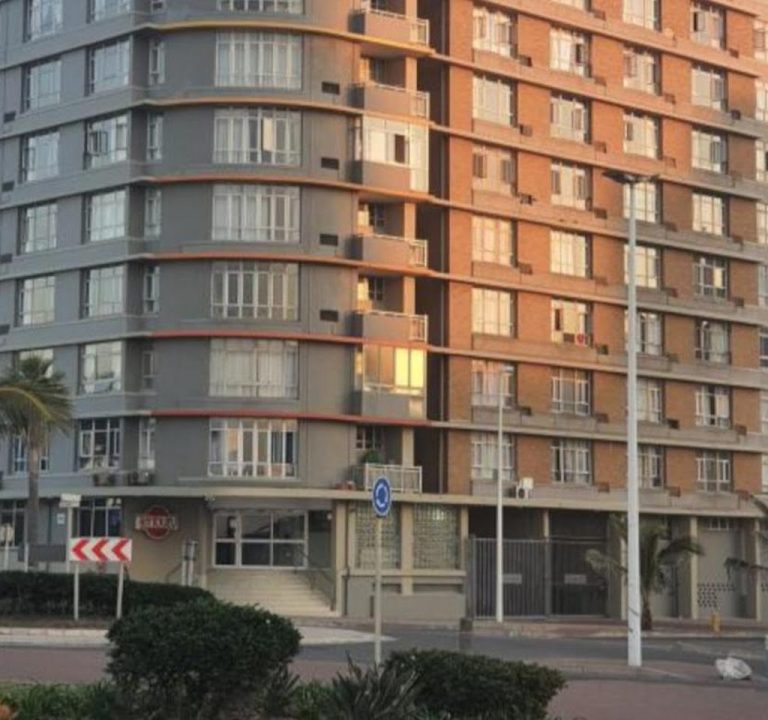
Accommodation in Durban can range from stylish lodges like those with a boutique, intimate feel to larger guesthouses that emphasise a personal touch and breakfast options. If you are exploring a specific address such as a boutique property in a well‑known location, you may encounter terms like “Tenbury Luxury Accommodation” or similar descriptors; these typically denote thoughtfully designed spaces with attention to comfort and a sense of place. Wherever you stay, pairing your lodging choice with well‑planned days of sightseeing, dining and relaxation will help you experience the city’s hospitality, climate and culture to the full. For more information on Durban’s attractions and planning resources, you can consult Durban’s official tourism pages and local travel guides, which offer current tips, routes and seasonal highlights.