Chintsa: where beds, beaches and slow travel come together in the Eastern Cape
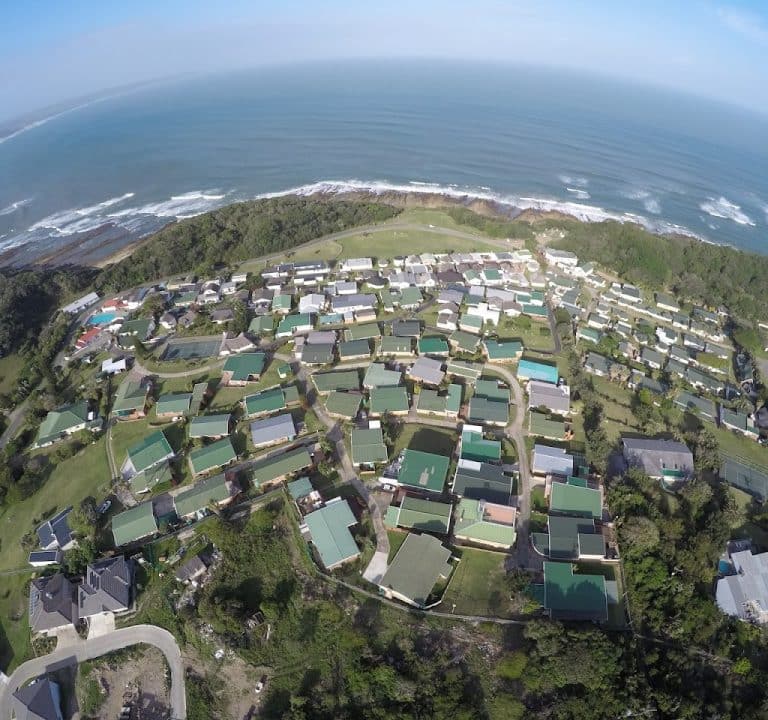
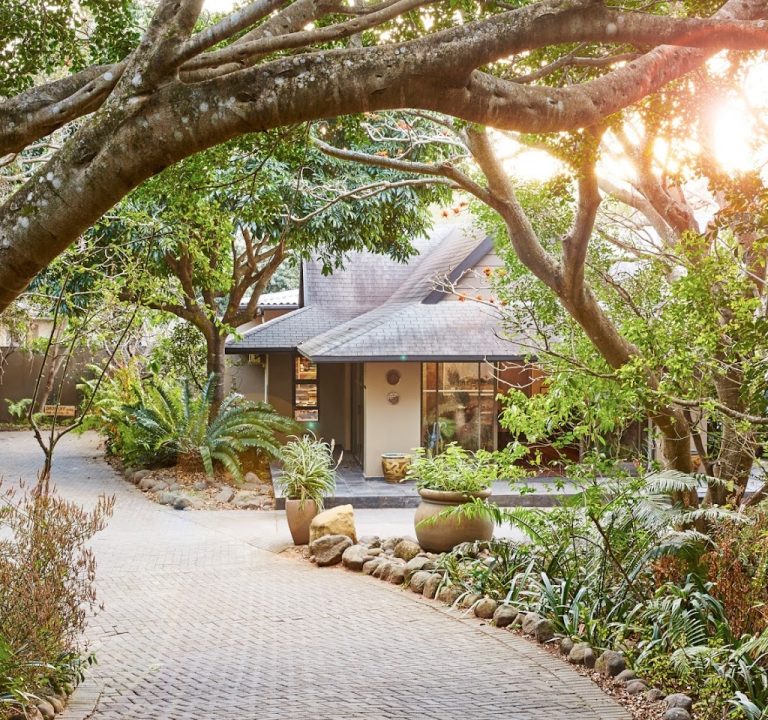
Nestled along the Wild Coast of the Eastern Cape, Chintsa offers a welcoming mix of beach breaks, river scenery and rural calm. It is ideally suited to travellers who want a relaxed stay with easy access to outdoor adventures, comfortable lodging and light, unhurried evenings. The village and surrounding coastline accommodate a range of stays—from intimate bed & breakfasts to family-friendly guesthouses and small lodges—each with a distinct character that reflects the local landscape.
When planning a stay, think first about which area will suit your pace. The coastline at Chintsa offers broad sands and rolling surf, with pine-fringed dunes that invite morning walks and sunset strolls. Inland, you’ll find quieter lanes, small villages, and viewpoints overlooking the river estuary. If you want to combine beach time with a touch of nature, look for accommodation near the estuary or within easy reach of coastal trails. Those seeking a more immersive rural experience might prefer lodges and B&Bs a short drive from the shore, where you can easily potter betweenveld paths, markets and occasional farm stalls.
Typical amenities vary by property, but common offerings include en-suite bathrooms, free Wi‑Fi, on-site dining or easy access to a local restaurant, and sometimes self-catering facilities. A good choice is an establishment that provides secure parking, accessible access to the beach or river, and a guest lounge or outdoor area where you can unwind after a day out. Some properties also organise guided walks, bee-line dolphin or birdwatching trips, or simple local cultural experiences, which can enhance a short break without requiring a rigid itinerary.
Planning your transport is a key step. The area is best reached by road from major centres in the Eastern Cape, with East London often serving as the practical gateway for air travellers. A car is really useful for exploring at your own pace, although local transfers or rideshares can cover short hops if you’d rather not drive. When researching accommodation, check how easy it is to access the main beach, the estuary or any preferred trails. If you are staying with a guesthouse or B&B, ask in advance about wake-up times for early morning beach walks or tides that affect estuary crossings.
Best time to visit Chintsa depends on your priorities. Summer (roughly November to March) is warm and lively, with longer days and surf-friendly seas, but it can be humid. Winter (June to August) tends to be mild and drier, often ideal for less crowded trails and more comfortable travelling conditions, though sea swims may be cooler. Shoulder seasons can offer a balance of pleasant weather and quieter beaches. For nature lovers, the area’s birdlife and coastal landscapes are rewarding in many months, regardless of peak-season crowds.
Food and dining are a part of the local rhythm. While specific restaurant names may vary, most visitors enjoy casual, oceanside eateries or family-run cafés where you can sample fresh seafood, wholesome salads and hearty braais. If you prefer a self-catering option, many lodges and B&Bs provide kitchen facilities or friendly guidance on nearby markets where you can gather provisions for a seaside picnic. For those who enjoy a simple culinary treat, many places in the region offer lunch or dinner in light, relaxed settings with views of the sand or river.
Attractions and activities in and around Chintsa tend to focus on outdoor pleasures and low-key explorations. You can spend a day on the expansive beach, try a gentle paddle on the river, explore coastal trails with ocean or dune views, or set out on a casual cycling route. Water-based adventures such as kayaking or stand-up paddleboarding are common options at suitable times and tides. Inland, you might discover small craft shops, markets or scenic viewpoints that reward a short walk. The overall pace is well suited to families, couples and small groups seeking restorative time by the sea rather than a packed itinerary.
Practical tips to help you make the most of your stay:
- Book early for peak seasons and look for properties that offer flexible cancellation policies.
- Choose accommodation with direct beach or river access if you plan to spend long days outdoors.
- Ask about housekeeping arrangements, laundry access, and on-site meal options or nearby dining spots.
- Pack a light layer for cooling evenings, sun protection for daytime beach and trail activities, and suitable footwear for sand and rocky sections.
- Consider a mix of inland and coastal days to balance movement with rest.
When selecting where to stay, read recent guest reviews to gauge how properties handle practical concerns, such as parking security, cleanliness, and responsiveness. A well-situated B&B or small lodge near the estuary can offer a friendly, personalised experience, while a larger coastal retreat might provide on-site dining, organised excursions, and more communal spaces. For inspiration and practical planning, you can explore regional tourism resources and official destination guides, which often list accommodation options by area, along with suggested day trips and seasonal highlights. To begin planning online, you can visit trusted travel information sites or the official South African tourism portals for up-to-date advice and sample itineraries.
Chintsa presents a balanced, traveller-friendly destination where you can enjoy a serene coastal environment, informal hospitality and easy access to nature. Whether you are seeking a restorative weekend by the sea or a longer break to explore the nearby coastline and countryside, the area offers comfortable places to stay, a gentle pace of life, and straightforward ways to make the most of your visit. For further ideas and potential stays, explore individual property pages and regional guides, which can provide a flavour of what each venue offers while you plan your escape.