Chintsa Sands and the Eastern Cape: where to stay and what to do
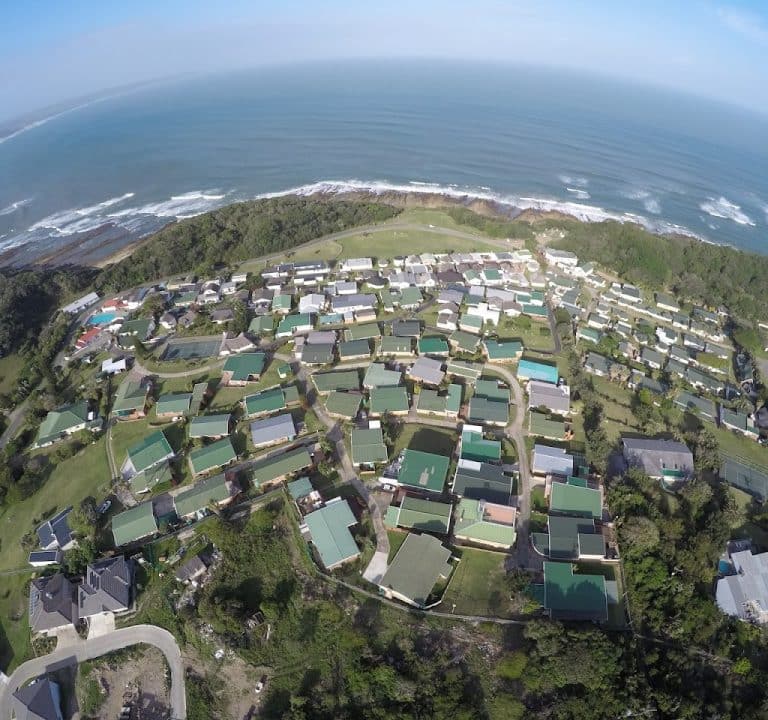
Chintsa Sands sits along the sun-washed coastline of the Eastern Cape, offering a relaxed base from which to explore the Wild Coast. This area is known for its long beaches, soft dunes, and a laid‑back village atmosphere that suits families, couples, and travellers seeking outdoor adventure. When planning a stay here, focus on finding a comfortable balance between coastal access, room comforts, and easy connectivity to the wider region.
Accommodation in and around Chintsa tends to cluster in a few distinct styles. There are guesthouses and small hotels that provide personalised service, often with verandah seating and garden courtyards. Lodges and self‑catering cottages offer space and flexibility, ideal for longer stays or groups. Many properties emphasise eco‑friendly features, with emphasis on sustainable practices and natural materials that blend with the landscape. For those who want direct beach access, some venues are set within reach of the shoreline, while others provide short walks or shuttle options to the sands and tidal estuary at Chintsa River Mouth. When choosing where to stay, consider how easy it is to step out into the morning light for a stroll along the beach, as well as how close you are to the village’s amenities.
Areas to consider within reach of Chintsa Sands include the immediate beachfront, the riverine edge near the estuary, and inland pockets where you can wake to birdsong and sea breezes. If a quiet, secluded feel is paramount, seek out properties tucked behind dunes or backed by natural vegetation. If you prefer a livelier atmosphere with easy access to dining, galleries, and smaller shops, look for accommodation closer to the village hub. The surrounding region also offers drives along the coastline, opportunities to visit nearby nature reserves, and stops at coastal villages that showcase local culture and crafts.
When booking, look for typical amenities that make a stay comfortable in this coastal environment. En-suite bathrooms, reliable hot water, and soft bedding are fundamental. Outdoor spaces matter here, so check if rooms have private balconies or patios where you can listen to the ocean at dawn. On‑site facilities such as a pool, a cosy lounge, a restaurant or bar, and Wi‑Fi access can greatly enhance convenience, especially for longer visits. If you plan to explore, confirm parking arrangements and whether the property assists with transfers or local shuttle services. For families, ask about child‑friendly policies, safe play areas, and laundry facilities. Eco‑mensitive properties may offer recycling, solar power, or guidance on leaving a lighter footprint during your stay.
Transport to and around Chintsa is part of the planning. The area is most easily reached by road from East London or from other coastal towns along the Wild Coast. If you are arriving by bus or coach, check whether your accommodation offers a pickup service or can recommend trusted transfer options. Within Chintsa, the Beach area is walkable in many parts, but some venues provide bicycles or small electric vehicles for guest use. Having a flexible plan can help you make the most of day trips to scenic viewpoints, riverside trails, and nearby forests, which are all typical highlights of a coastal itinerary in this region.
The best time to visit Chintsa depends on what you want from your trip. The summer months bring warm sea breezes and ideal beach conditions, with seas that may attract surf enthusiasts and families alike. Winter offers cooler, crisper days with dramatic skies and a quieter pace, which some travellers favour for reflection and long coastal walks. Rain is less predictable than in inland parts of South Africa, so packing a light waterproof layer is prudent even for summer, should the weather shift. For anyone planning outdoor activities, dawn and late afternoon light tend to be pleasant for walks, birdwatching, and enjoying the estuary’s changing moods around high tide.
Attractions in the general area are naturally tied to the coast and the river. Expect options centred on long, sandy beaches suitable for swimming and strolling, with opportunities for water sports and stand‑up paddleboarding in appropriate conditions. The estuary near the river mouth is a focal point for wildlife spotting and tranquil walks, while the surrounding hinterland offers nature trails and viewpoints over the coastline. Visitors often enjoy scenic drives along the coast, with opportunities to stop at several coastal villages that showcase local crafts, markets, and eateries. Dining in the region tends toward relaxed, sea‑inspired menus; many restaurants feature fresh, seasonal produce and a casual, friendly atmosphere. While specific venues may vary, the common thread is approachable, well‑cooked fare that complements a day spent outdoors.
Practical tips for a successful stay in Chintsa Sands:
- Book early for peak seasons, especially if you want direct beach access or a private balcony with sea views.
- Confirm whether your accommodation provides breakfast and if dinner options are available on‑site, or if you should plan to dine out in the village.
- Bring comfortable footwear for dune paths and shore walks; pack a lightweight waterproof layer for changing coastal weather.
- Consider a flexible itinerary to accommodate the best low‑tide viewing windows at the estuary and coastline.
- Check transport options in advance, including parking availability and any recommended local transfer services.
For a well‑rounded stay, combine your nights by the shore with daytime explorations of the region: beaches at first light, wildlife‑watching along riverbanks, and easy drives to nearby towns for shopping and gallery visits. Chintsa Sands and its surrounding area offer a relaxed, traveller‑friendly base from which to enjoy the raw beauty of the Eastern Cape, along with meaningful opportunities to connect with nature, comfort, and local hospitality. For further inspiration and to plan your visit, you can explore regional tourism sites and the official pages of the village and its neighbouring towns.