Chintsa: Accommodation and Experiences in the Eastern Cape
Nestled along the Wild Coast of the Eastern Cape, Chintsa is a small coastal village that feels both laid‑back and full of activity. With palm-fringed beaches, forested surrounds and a river that meanders to the sea, it offers a relaxed base for travellers seeking outdoor adventures, shoreline walks and a taste of rural South Africa. When planning a stay, consider your priorities—whether you want a restful beachfront retreat, a cosy guesthouse with home‑cooked meals, or a boutique lodge with easy access to the surrounding nature reserves.
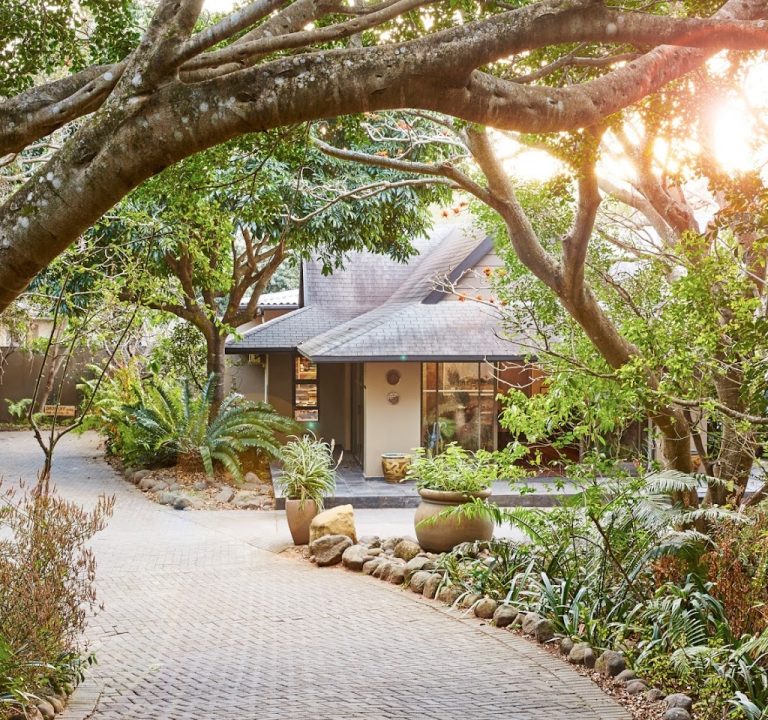
Accommodation options in Chintsa range from intimate bed & breakfast stays to larger guesthouses and small lodges. A popular local choice for visitors is a family‑run B&B in the village or along the coastal road, where hosts often share tips on hidden coves, tide pools and scenic viewpoints. One example in the area is 158 on Marlin, a bed & breakfast that illustrates how guesthouses balance homely comfort with convenient locations near beaches and forest trails. When you book a B&B or guesthouse, you’re typically treated to a personalised touch—delicious home‑cooked breakfasts, the chance to chat with hosts about local tips, and rooms that feel like a home away from home.
For varying budgets and group sizes, consider lodges or small boutique hotels that cluster near the main beach or within short drives of the village centre. These properties often offer spacious rooms, private balconies or patios, and shared facilities such as communal lounges, outdoor seating areas and gardens. If you’re travelling with family or a small group, look for family‑friendly layouts, kid‑safe outdoor spaces, and easy access to outdoor activities like river trips, a coastal walk, or short nature trails.
Important factors to weigh when booking include location relative to the beach, the ease of parking, and access to on‑site or nearby dining. Chintsa’s appeal lies in its natural setting, so you’ll want to confirm how near your chosen accommodation is to public beaches, the Sanlams River mouth area, and cycle or pedestrian paths. If walking to the beach is a priority, check whether there are safe access routes and whether the property offers sun loungers or shaded terraces for post‑dip resting. For longer stays or work‑cation trips, ensure reliable Wi‑Fi, a comfortable workspace, and access to a quiet corner away from street noise.
Typical amenities in Chintsa accommodation include en‑suite bathrooms, daily housekeeping, facilities for self‑catering (where applicable), and outdoor spaces designed for al fresco dining or sunset viewing. Many places keep a small library or information corner with local maps and recommendations, giving guests a sense of the area’s rhythms—when the tides are best for river trips, or where to spot birdlife along the estuary. If you’re planning a sunset beach walk or a morning surf session, it’s useful to know about late‑checkout options, early breakfast arrangements, and the availability of beach equipment or bicycles on loan.
Transport to and around Chintsa is straightforward but worth planning in advance. The village itself is walkable in parts, but having a car or arranging a private transfer makes it easier to explore nearby coastal villages, forest trails and river viewpoints. For day trips, you may want to arrange a driver or join a guided excursion that focuses on coastal scenery, local wildlife, and cultural experiences in the broader region. If you’re flying in, the nearest major airport is a distance away, so an arranged transfer from the airport to Chintsa is a sensible start to your stay.
Best time to visit Chintsa varies with weather preferences and activities. The summer months (roughly November to February) bring warm sea temperatures and lively beaches, ideal for swimming and watersports. Winter offers cooler, drier days that work well for forest hikes and river walks, with fewer crowds. The shoulder seasons can be particularly pleasant, balancing pleasant temperatures with calmer beaches. If you’re seeking specific wildlife or birdwatching opportunities, it’s worth checking seasonal patterns and local guides’ advice ahead of your trip.
Practical tips to maximise your stay:
- Book early for peak seasons and school holidays, especially if you prefer holiday‑style B&Bs with popular breakfast options.
- Confirm access to parking and easy beach access if you’ll rely on your own vehicle.
- Ask hosts for restaurant recommendations that suit your dietary preferences—many places in Chintsa offer light, home‑cooked meals or access to nearby cafés.
- Pack sun protection, a light rain layer and suitable footwear for beach and forest trails.
- Respect local etiquette and environmental guidelines, particularly in sensitive dune and coastal ecosystems.
While you plan your stay, you can balance your time between rest on the sands and exploration of the surrounding region. Beyond the immediate beach and river experiences, there are opportunities to explore nearby villages, nature reserves and scenic lookouts by road or gentle hikes. For inspiration and practical planning, check regional tourism sites and the pages of individual properties for detailed information on room types, meal options and experiential itineraries. A well‑chosen base in Chintsa can make the most of the area’s easy pace, natural beauty and friendly welcome, whether you are seeking a quiet weekend retreat or a longer coastal escape.